


Common Sources of Hip Pain (And What We Can Do About Them)
Have you noticed a persistent discomfort in your hip? Is impaired hip mobility making it difficult for you to handle day-to-day tasks? Hip pain isn’t something you have to live with. But to resolve your pain, you’ll need to identify why you’re experiencing pain in the first place.
At PhysioPlus Health Group, our team of musculoskeletal experts can help you determine the root cause of your hip pain. Whether it’s an underlying injury or a chronic condition like arthritis, we’ll get you the answers you need — and the relief you deserve!
Today, we want to explore some common causes of hip pain and give you some insight into how physical therapy can help. But if you’re currently dealing with hip pain, your best bet is to call us to schedule an initial consultation. Our team can give you personalized guidance to return to an active, healthy lifestyle!
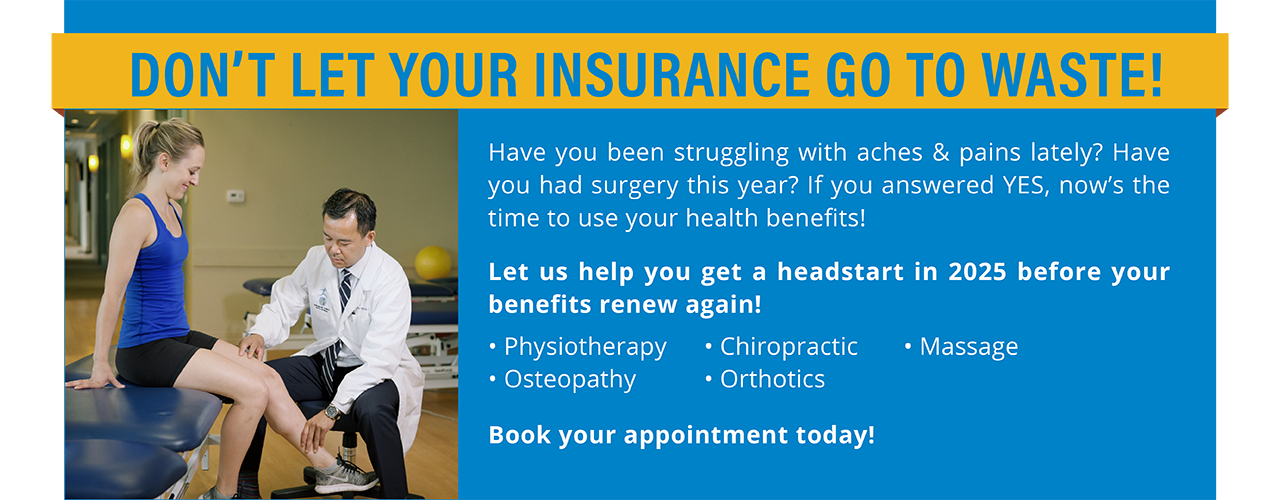

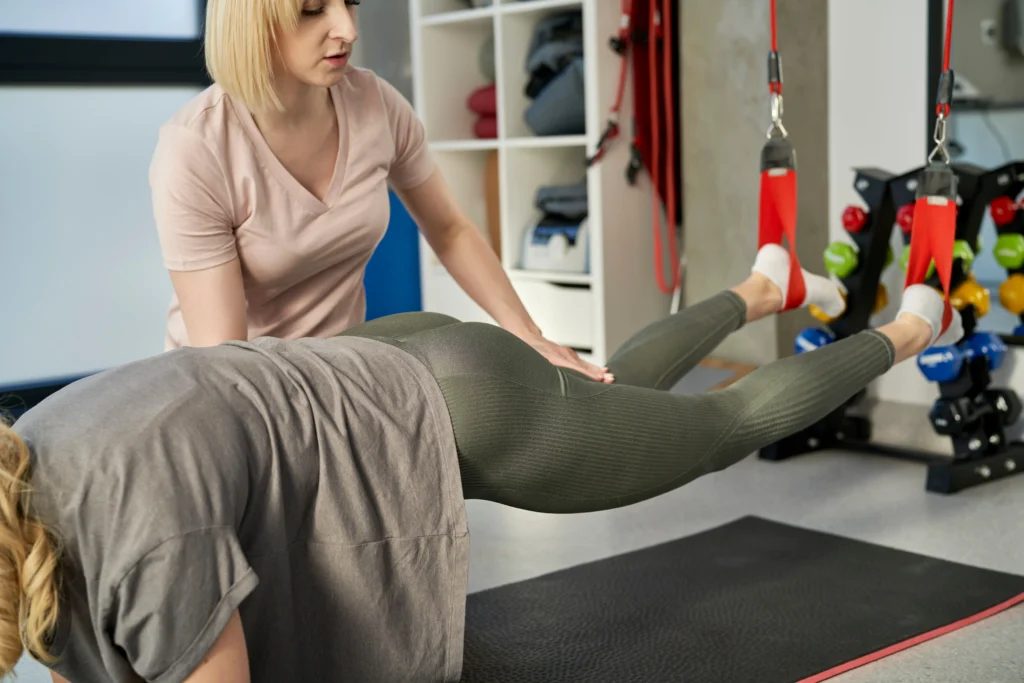
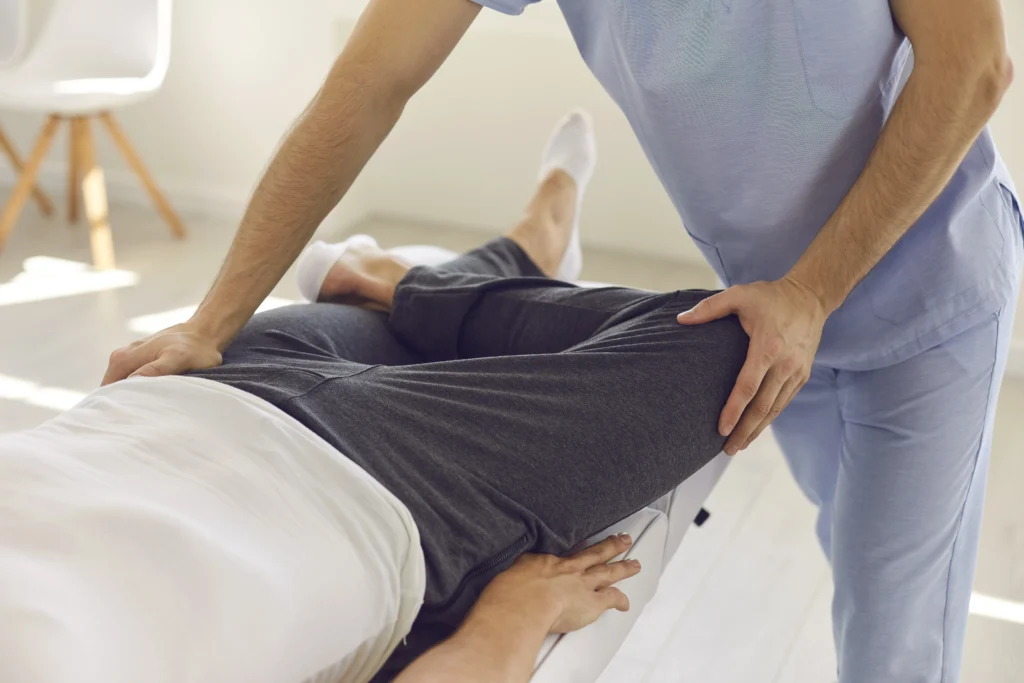
Why Do My Hips Hurt? Common Hip Injuries and Conditions
Osteoarthritis (OA): If you’re an older adult, your hip pain might stem from osteoarthritis, which occurs when the cartilage in a joint starts to degenerate. The hips are one of the more common locations for OA. Symptoms include…
- Pain in the hip and/or groin
- Stiffness in the hip joint, especially after you haven’t moved it for a while
- A sense of weakness in your legs
Hip Impingement: Your hip is a ball-and-socket joint. When the ball part of the joint pinches up against the socket part, you can develop hip impingement. It’s most common in young, active people. Watch out for…
- Pain in the hip joint and discomfort elsewhere in the general area (groin, thighs, lower back)
- Sharp stabbing pain when using your hip (i.e., squatting, running, etc)
- Symptoms that gradually develop over time
Hip Labral Tear: Your labrum is a ring of cartilage that protects your hip socket. A labral tear occurs when that cartilage tears, often due to overuse or a hip impingement. Symptoms include…
- A persistent, dull ache that feels like it comes from deep inside your hip
- Sharp, stabbing pains when using your hip
- Clicking or popping sounds when using your hip
- A feeling of instability in the hip
Hip Strain: A hip strain occurs when the muscles or tendons that support your hip joint become damaged. Your exact symptoms will vary somewhat based on the severity of the strain, but in general, you can expect…
- Pain, especially when using the affected muscle
- Swelling
- Limited range of motion
- Muscle weakness
Hip sprains can also occur, but they tend to be rare. A sprain affects the ligaments in your hip (the tissue that connects the joint). Symptoms are similar to a strain, but you might also experience a sense of the joint buckling under your weight.
New Treatment Spotlight: Occupational Therapy
Occupational therapy offers a wide range of benefits to people of all ages and abilities. Whether you’re recovering from an illness or injury, managing a chronic condition, or looking to improve your everyday life, occupational therapy can help by:
- Enhancing independence and confidence in daily activities: Occupational therapy empowers you to take charge of your everyday routines, whether that’s personal care, household tasks, or community involvement. Gaining these skills means you can rely less on others and feel more confident in your abilities.
- Building practical skills for home, work, and leisure: Occupational therapists (OTs) can help you develop or regain the skills needed to succeed at home, return to work, or enjoy hobbies. This can include everything from fine motor coordination for buttoning a shirt, establishing a balanced daily routine, or finding new hobbies that fit your abilities and interests.
- Adapting your environment to increase safety and comfort: Your Occupational therapist can recommend modifications or special equipment to make your home, school, or workspace safer and easier to navigate.
- Improving physical, cognitive, or emotional abilities: Occupational therapy addresses challenges like muscle weakness, difficulties with memory, or coping with stress through targeted strategies and exercises. The goal is to help you function better and feel more capable in everyday life.
- Providing strategies to manage pain, fatigue, or stress: Your OT will teach you techniques to minimize pain, conserve energy, and handle stress, so you can get through your day with less discomfort and more energy for doing what is important to you.
- Supporting transitions at school, work, or after major life changes: Occupational therapy helps you adjust smoothly to big changes, like starting at a new school, returning to work, retiring from work or adapting to life after an illness or injury. OTs work with you to build new routines and skills for success during these transitions.
- Helping you achieve personal goals that matter most to you: whether you want to cook independently, get back to gardening, or keep up with family activities, OTs help you break down barriers and set achievable steps so you can pursue what’s most meaningful to you.
Occupational therapists work with you to create personalized, practical solutions so you can participate more fully in the activities that make life meaningful.
Exercise of the Month
Piriformis Stretch
(Glutes, Sciatic Nerve)
Start by sitting up straight with your knees bent and feet flat. Bend your leg and place your ankle across the top of your other knee. Rotate your trunk toward your bent knee and gently pull your knee toward your chest until you feel a stretch in your hip. Hold for 30 seconds. 2 Sets, 1 Rep. (Materials needed: chair)

Welcoming Our New Physiotherapist, Lisa Nham!
- Neurological/Stroke Rehab
- Registered Physiotherapist Resident
- Pre- and Post-Surgical Rehab
- Return to Sports Rehab
Attention All Runners… A FREE In-Person Running Workshop For You!
How to train in the winter to reach your running goals next Spring!
What: A Live In-Person Workshop
Where: PhysioPlus Health Group (Bloor & Jane)
When: Tuesday, November 18th, 7pm
Price: FREE!
Are you a runner looking to improve your performance, prevent injuries, and make the most of your off-season training?
The workshop will take place in-person at our clinic located at (Bloor & Jane). This exercise-based workshop is going to be interactive and practical, with demonstrations and a chance to try out what you learn. Bring your running shoes and workout gear!
Our Running Experts will share their best off-season strategies:
- The 3 strengthening exercises you want to be sure to incorporate
- The role of stretching for injuries
- Exercises to improve speed as a runner
- Mobility exercises and how to implement them in your off-season plan
- And a Q&A with experienced health professionals and accomplished runners
Start Feeling Better… & Running Better After This Free Workshop.
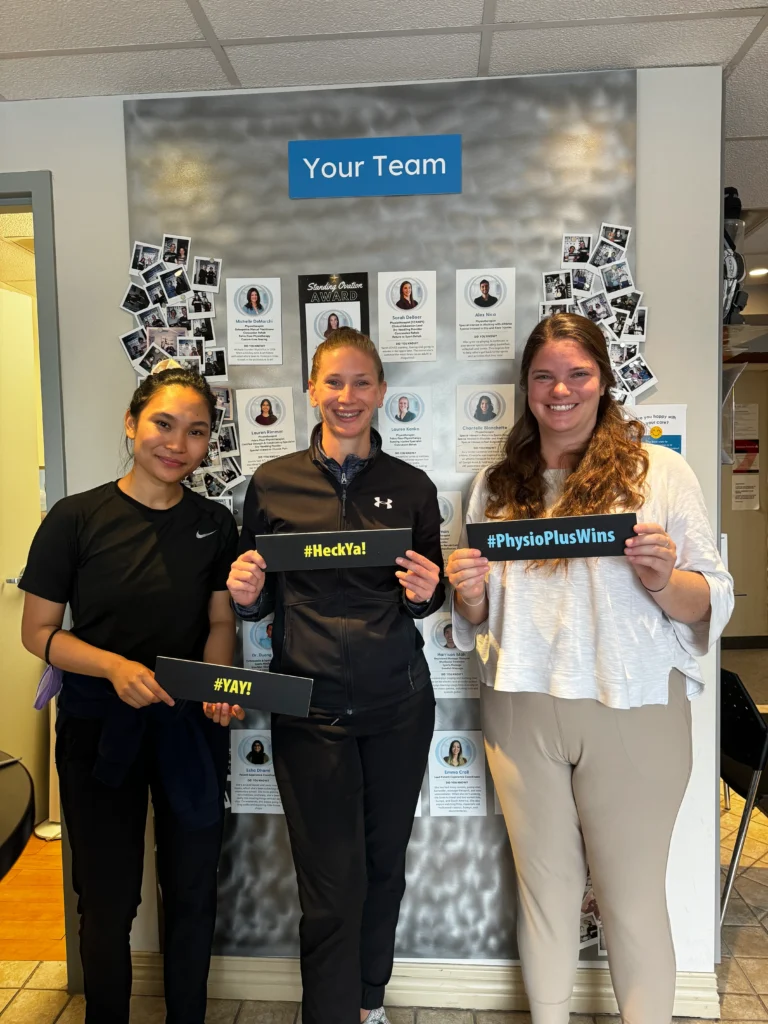
Congrats, Recent Physiotherapy Grads!
Congratulations to our recent physiotherapy graduates! Your hard work, dedication, and commitment to recovery have paid off. We’re so proud of your progress and can’t wait to see all the amazing things you’ll accomplish moving forward.
What We Can Do to Address Your Hip Pain
Of course, identifying the cause of your hip pain is only the first step in addressing it. Once we know why you’re experiencing pain, we can develop a personalized treatment plan for your needs.
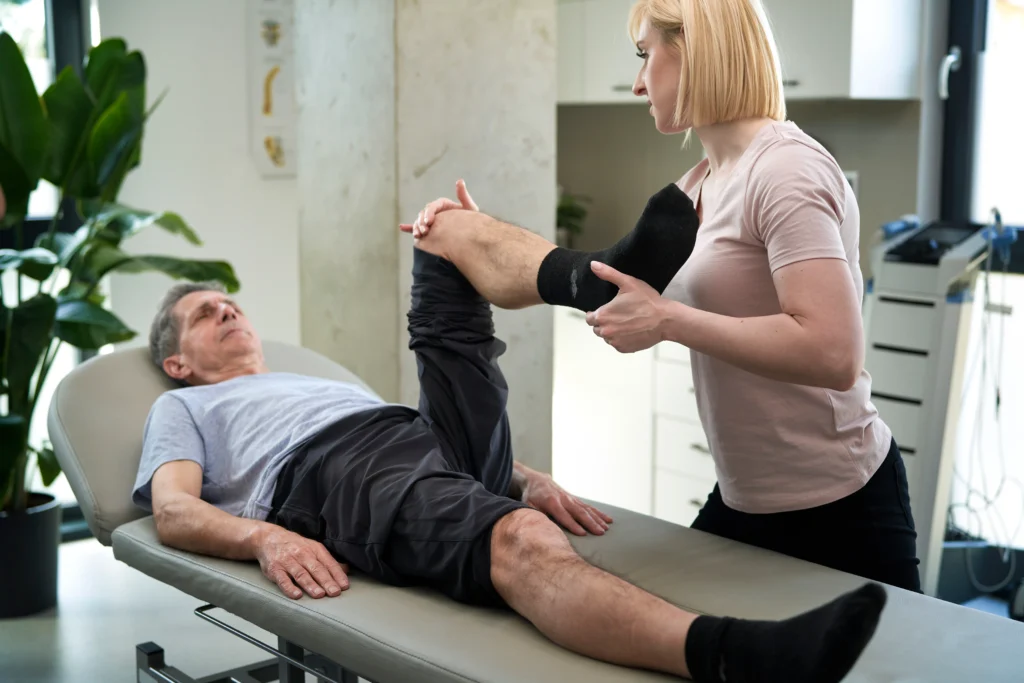
If you’ve suffered a hip injury, we’ll guide you through rehabilitation. Sometimes, physical therapy alone is enough to resolve the injury; other times, you may need medical intervention. Either way, here’s what you can expect:
- Drug-free pain management techniques (such as manual therapy)
- Early mobility work to help improve your range of motion
- Exercises to restore strength and stability
- Targeted balance and gait training
- Activity-specific training (especially if you’re an athlete)
If you’ve developed osteoarthritis, we can help you manage your symptoms and delay the progression of your condition. OA doesn’t have a cure, but physical therapy is considered a frontline treatment to help you avoid a total hip replacement. Your treatment plan may include…
- Manual therapy to help reduce pain and improve mobility
- A personalized exercise program to help you stay active (regular exercise is one of the best ways to manage osteoarthritis)
- Balance and gait training to help reduce your fall risk
- Activity modifications and other strategies to help you manage discomfort throughout the day
No matter the reason for your hip pain, the PhysioPlus Health Group therapists will find a solution that works for you. Call us today to schedule an appointment to get started on your journey to hip pain relief!
Sources: https://www.choosept.com/guide/physical-therapy-guide-to-osteoarthritis-of-hip, https://www.choosept.com/guide/physical-therapy-guide-hip-impingement-femoroacetabular, https://www.physio-pedia.com/Hip_Labral_Disorders, https://orthoinfo.aaos.org/en/diseases–conditions/hip-strains/
Don’t Ignore Your Joint Pain!
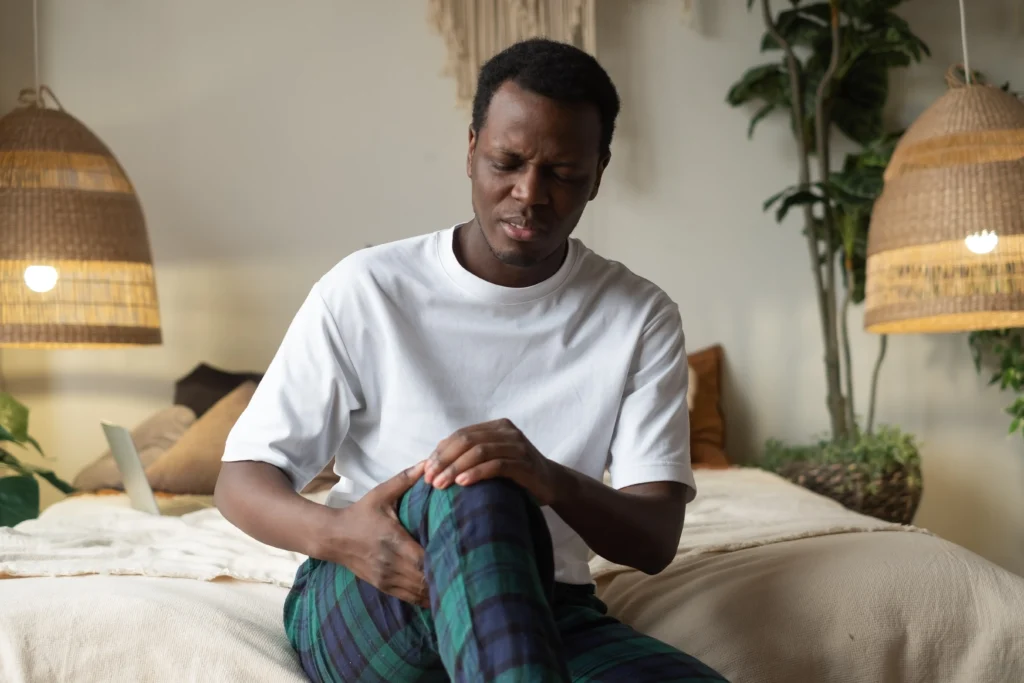
You notice a faint twinge in your hip whenever you squat down. It’s not severe, and it goes away once you stand back up. No big deal, right?
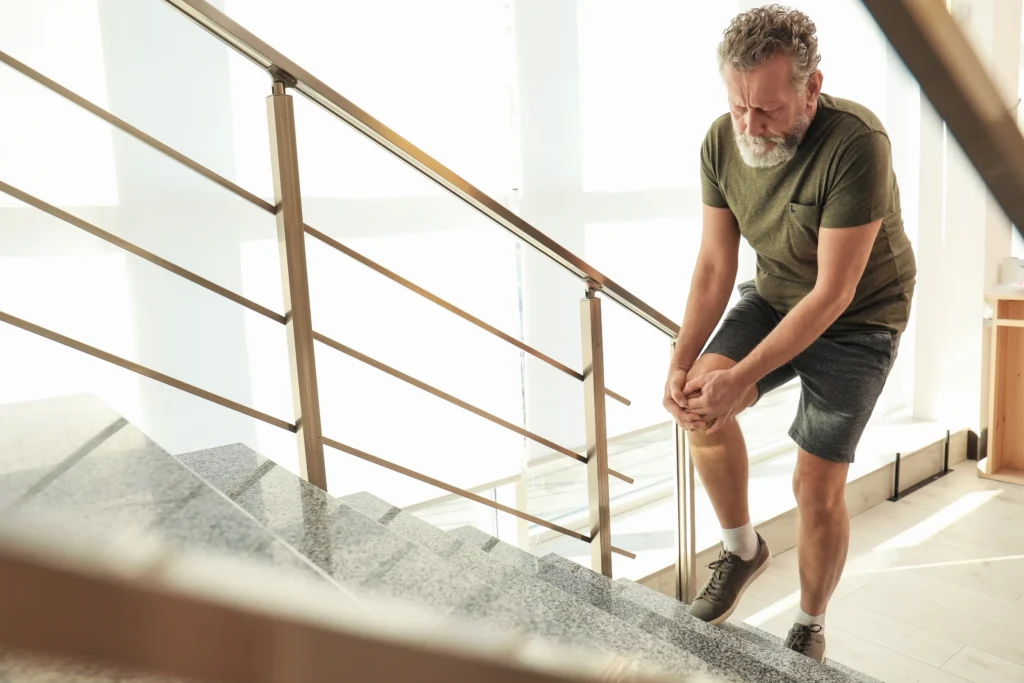
But then you start to notice the pain more frequently, like when you go for a run or work in your garden. It’s also started to get worse. Suddenly, you’re not so sure you can just ignore it.
This scenario probably sounds familiar. Most of us have ignored pain at some point in our lives. And sometimes, the pain does go away on its own. But there are circumstances when you shouldn’t ignore joint pain. In those situations, schedule an appointment at PhysioPlus Health Group.
When Joint Pain Requires Action
Here’s a handy checklist to let you know when you should visit our physical therapists to get your pain checked out:
- Your pain results from an obvious injury
- Your pain is severe enough to affect your day-to-day life
- Your pain is accompanied by mobility restrictions in the joint
- Your pain is constant (24/7) and doesn’t subside after a few days
- You’ve been dealing with persistent pain for months
- You notice swelling in the joint
- Your pain is progressively worsening
Remember, joint pain is your body’s way of telling you something’s wrong — it’s not something you have to live with, even if you’re older. A consultation at PhysioPlus Health Group can get to the bottom of things and help you find relief.

Simple Sweet Potato & Black Bean Chili
- 2 sweet potatoes, peeled & chopped
- 1 onion, chopped
- 2 cans black beans, drained & rinsed
- 1 can diced tomatoes
- 2 cups broth (vegetable or chicken)
- 1 tbsp chili powder
- 1 tsp cumin
- Salt & pepper
- In a big pot, cook onion in a little oil until soft.
- Add sweet potatoes, chili powder, cumin, salt & pepper. Stir.
- Add beans, tomatoes, and broth. Stir.
- Simmer until sweet potatoes are tender (about 20 min).
- Taste and season more if needed. Serve!