


Common Causes of Foot Pain–And How Physiotherapy Can Help
You want to go for a nice evening stroll or spend an afternoon at the mall. But that pain in your foot makes prolonged walking seem like an impossibility. Now what?
Foot pain is a common problem–and one that can have a significant impact on your day-to-day life. If severe enough, it becomes a risk factor for other concerns, particularly among older people, including decreased balance, increased fall risk, and general loss of mobility.
Fortunately, physiotherapy at PhysioPlus Health Group can help you find relief. Our team of experts will dig down to identify the root cause of your pain. Then, we’ll develop a customized treatment plan to resolve the underlying injury or condition, helping to ensure lasting relief.
Don’t let foot pain hobble you completely! Give us a call to set up an appointment to uncover the source of your foot discomfort.
What Physiotherapy Can Do To Help
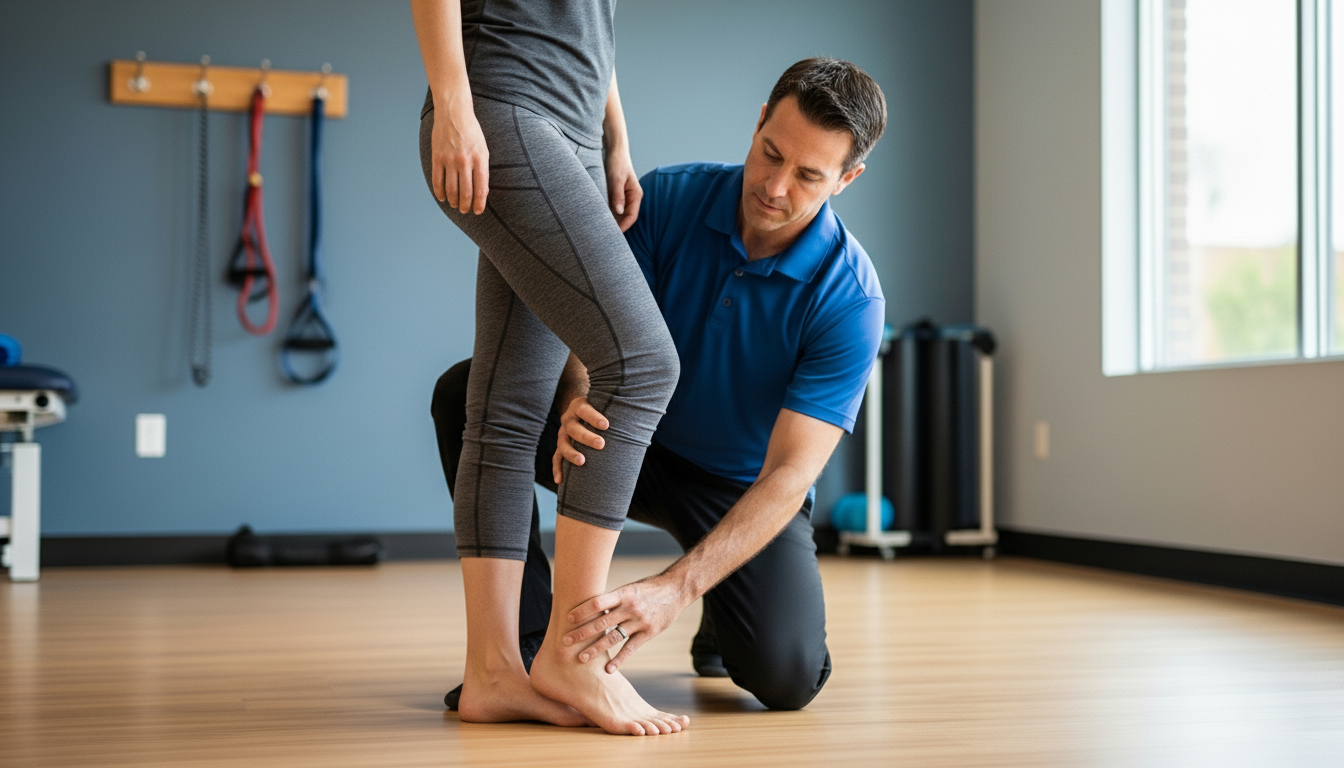
Once our therapists have determined the source of your foot pain, we’ll work with you to develop a customized treatment plan that manages symptoms, improves functionality, and, in many cases, resolves the underlying condition. We customize every plan to suit your needs, pulling from various treatment options.
Here are just a few techniques we might incorporate:
- Manual Therapy: Manual therapy offers drug-free pain management and a gentle way of improving foot mobility. Techniques like myofascial release, soft tissue manipulation, and joint mobilization offer unique benefits.
- Therapeutic Exercise: We’ll provide a targeted, personalized exercise program to stretch and strengthen your foot and ankle muscles. Depending on your needs, we can also work on balance, overall mobility, and coordination.
- Modalities: Various treatment modalities, such as hot and cold therapy, electrostimulation, and ultrasound techniques, can provide additional pain relief.
- Lifestyle Modifications: Often, foot pain stems from lifestyle factors, such as wearing improper footwear or starting a new high-impact exercise regimen. We’ll help you identify these factors and suggest strategies for managing them.
During your sessions, we’ll generally begin with acute pain relief through manual therapy techniques or pain-relieving modalities. Then, we’ll move on to targeted exercises. Our therapists will ensure you perform those exercises correctly and monitor your progress, increasing the intensity as you improve.
We’ll also suggest things you can do on your own, such as self-massage techniques, additional exercises, or footwear changes.
Schedule An Appointment Today
The first step in resolving your foot pain is correctly identifying its cause. To learn why your foot is hurting, call PhysioPlus Health Group to schedule your initial consultation. We’ll have you on your way to an active lifestyle in no time!
Sources: https://www.ncbi.nlm.nih.gov/books/NBK431073/, https://bjsm.bmj.com/content/55/19/1106 , https://www.ncbi.nlm.nih.gov/pmc/articles/PMC5112330/ , https://orthoinfo.aaos.org/en/diseases–conditions/stress-fractures-of-the-foot-and-ankle/
Exercise of the Month
Ankle Alphabets
Start by sitting up straight in a chair. Raise one leg out in front of you. Slowly write the letters of the alphabet with your foot, only moving at your ankle joint. 3 Sets, 10 Reps. (Materials needed: chair)
Are Your Shoes the Cause of Your Foot Pain?
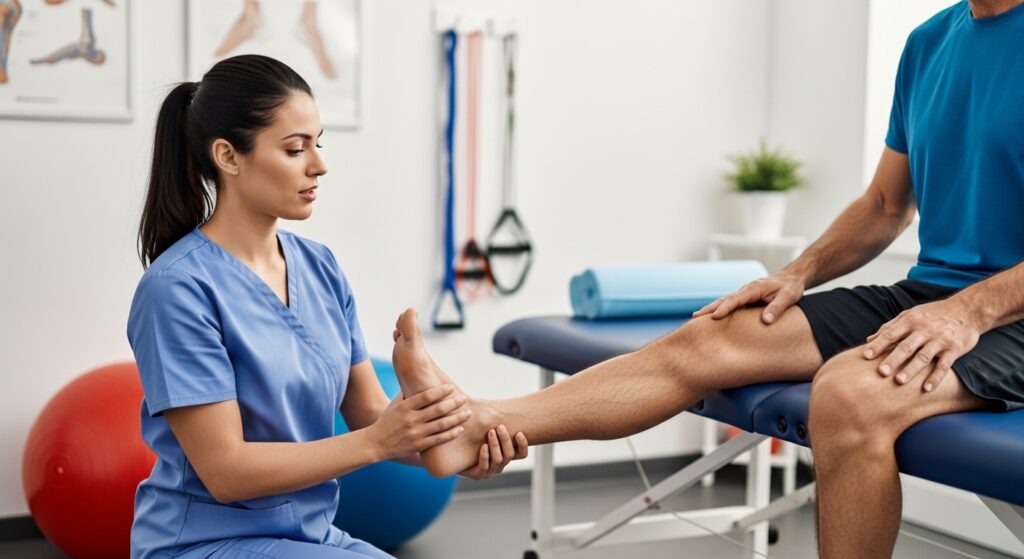
Who doesn’t love a great pair of shoes, especially when they’re the final touch on a knockout outfit? Unfortunately, shoes are more than just a fashion statement–they can also contribute to foot pain.
At PhysioPlus Health Group, we can let you know for certain if your shoes are causing your foot-related woes. In the meantime, here are some simple guidelines to remember the next time you go shoe shopping.
A Physiotherapist’s Guide to Finding the Perfect Shoe
- Make sure it fits. Cinderella’s stepsisters learned it the hard way: it doesn’t matter what a shoe looks like if it doesn’t fit your foot. If your shoes are too tight or restrictive, your feet will not have full mobility, leading to pain and other discomfort.
- Pointed toes are out this season. Those fierce pointy-toed shoes might look great, but they squeeze your toes together in a way that can cause problems in your toe joints.
- So are high heels. A severe high heel looks fabulous (and sounds even better), but it forces your foot into an unnatural shape, leading to significant impacts on the overall health of your feet–not to mention a higher risk of sprained ankles, lower back pain, and balance issues!
- But comfort and support are in. The best shoes are the ones that feel good while wearing them and after you take them off. In most cases, these shoes provide your foot with the support it needs to work correctly, ensuring the foot is protected and feeling good.
Okay, so our physiotherapists may not be your first choice for fashion tips–but we can help you avoid persistent, debilitating foot pain. Schedule an appointment today to learn more about the right shoes for healthy feet!
Sources: https://www.physio-pedia.com/Foot_Pain
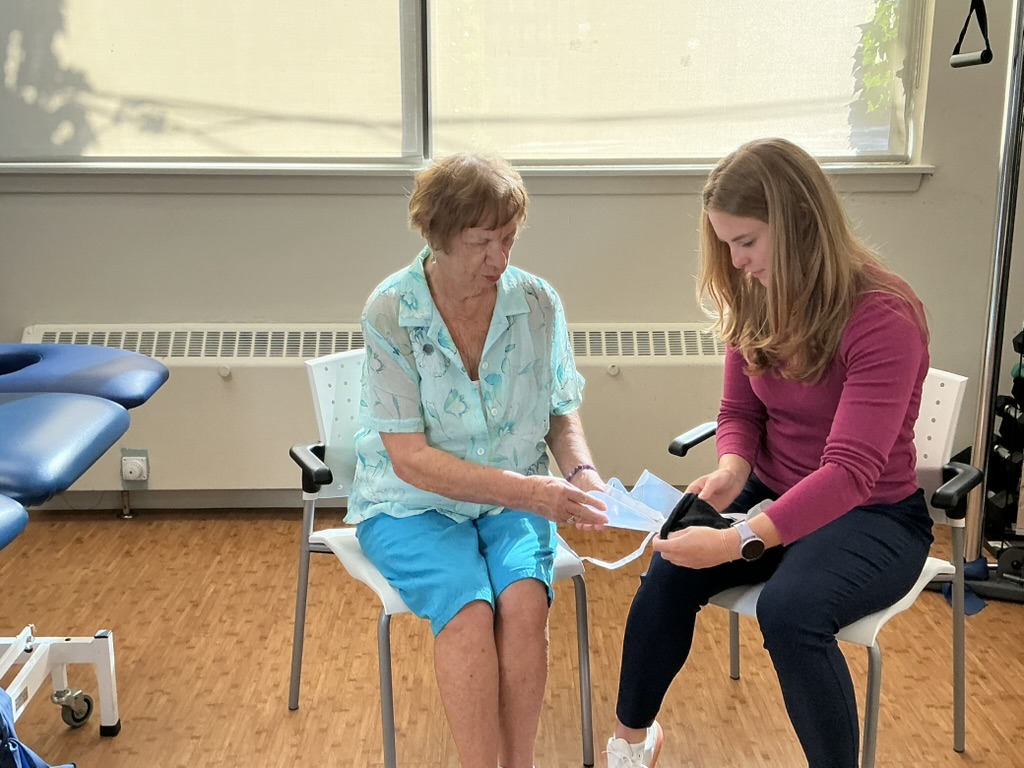
Do you Have an Aging Parent at Home? Are You Worried About Falls or Safety in Your Home?
Our In-Home Safety Assessment can help you find simple ways to stay safe and independent.
Living life to the fullest means being able to do the things that matter most, whether that’s caring for yourself, keeping up with work or school, enjoying hobbies, or staying active with family and friends. But sometimes illness, injury, or life changes can make everyday tasks feel more difficult than they should.
That’s where occupational therapy comes in.
Occupational therapy helps people of all ages build the skills, strategies, and confidence needed to live safely and independently. Whether your goal is to stay safe at home, return to your daily routine, or feel more confident in your abilities, occupational therapy provides practical, personalized support tailored to your needs.
It’s about more than recovery, it’s about helping you fully participate in the activities that make life meaningful.
Let our occupational therapist help you get back to doing the things that matter most.
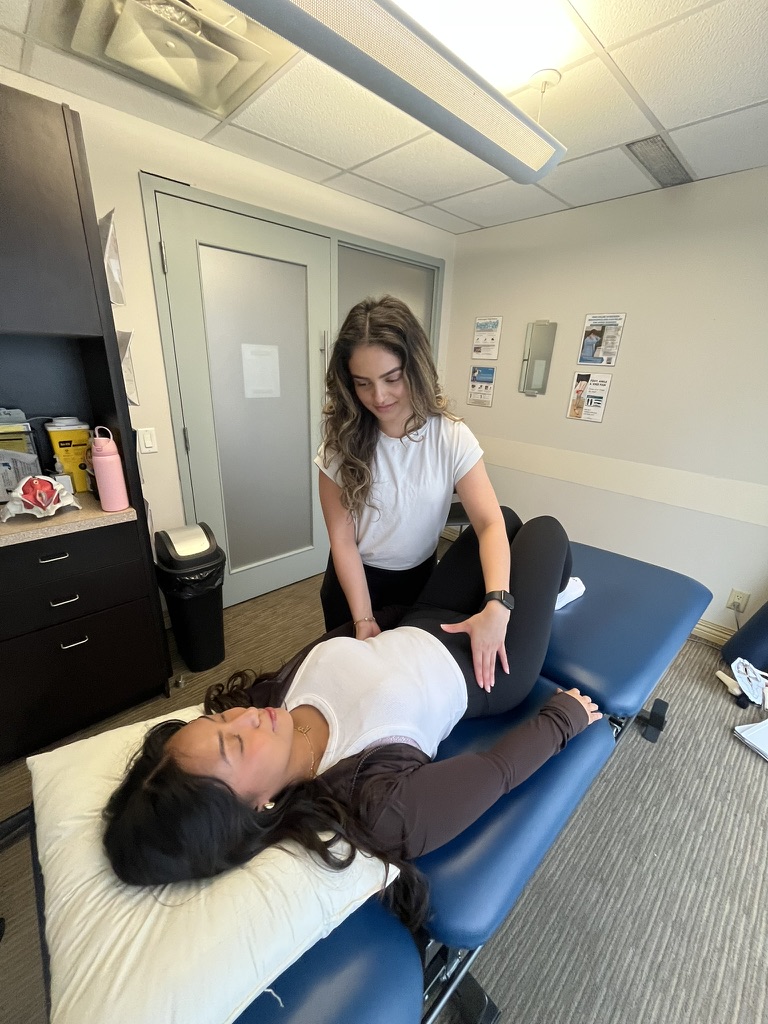
FREE Online Pelvic Health Workshop
Stronger, More Comfortable Pregnancy: Pelvic Floor & Core Support for Moms To Be.
What: A Live Online Workshop
Where: On a Secured Zoom Webinar
When: June 3, 2026 6:00 PM EST
Price: Free!
- Are you currently pregnant or planning to be soon?
- Are you noticing aches, pressure or discomfort?
- Wondering what’s actually safe when it comes to exercise during pregnancy?
- Want to feel more prepared for labour, delivery, and recovery?
You’re not alone, and you don’t have to figure it out on your own.
Discover how pelvic floor physiotherapy can support you through every stage of pregnancy.
During This Workshop, You’ll Learn…
- Why pelvic pain, pressure and leakage can happen during pregnancy and what can help
- How to properly connect to your pelvic floor and core
- Safe, effective exercises to support your body
- How to prepare your body for labour and postpartum recovery
- What to expect from pelvic floor physiotherapy and how it can help you
- Plus, we’ll have a LIVE Q&A so you can get your questions answered.
Meet Your Pelvic Health Physiotherapy Experts

Chantelle Blanchette
(Registered Physiotherapist)

Lauren Kanko
(Registered Physiotherapist)
Our pelvic health physiotherapists have helped hundreds of women move through pregnancy with less pain, more confidence, and better preparation for birth and postpartum recovery.

Physiotherapy Can Reduce Your Risk of Falls
Have you ever tripped over something and caught yourself just in time? If so, you know how important balance and quick reflexes are in preventing a fall. As we get older or are recovering from an injury, those automatic reactions don’t always work as well as they used to. What’s more, these falls can lead to other injuries that can significantly impact your quality of life. Fortunately, our PhysioPlus Health Group physiotherapy for fall prevention can help to assess your movement and create a personalized plan to keep you steady on your feet.
What are the most common causes of falls?
If you have ever felt unsteady and have fallen as a result, you are not alone. According to the World Health Organization, about 1/3rd of older adults fall each year, and this increases up to 42% of people aged 70 years or older. Falls can happen for many reasons, but some of the most common causes include:
- Poor balance
- Muscle weakness
- Reduced coordination
- Vision problems
- Vertigo or dizziness
- Increased fear of falling
- Lack of physical activity
- Poorly fitted footwear and clothing
Environmental hazards such as:
- Loose rugs
- Lack of stair railings
- Poor lighting
- Uneven surfaces
In some cases, medical conditions like arthritis, diabetes, previous stroke, heart attack, or inner ear disorders can affect stability, making everyday movements more challenging. The good news is that many of these risk factors can be managed or even prevented with the right approach using physiotherapy.
Everyone’s life situation is different, and there could be several different factors unique to you that may be impacting your balance. Not too sure where to start? Our PhysioPlus Falls Prevention Program takes the guesswork out of your care and can provide you with the much-needed answers to reduce your risk of falls and help support you towards living your most active and independent lifestyle.
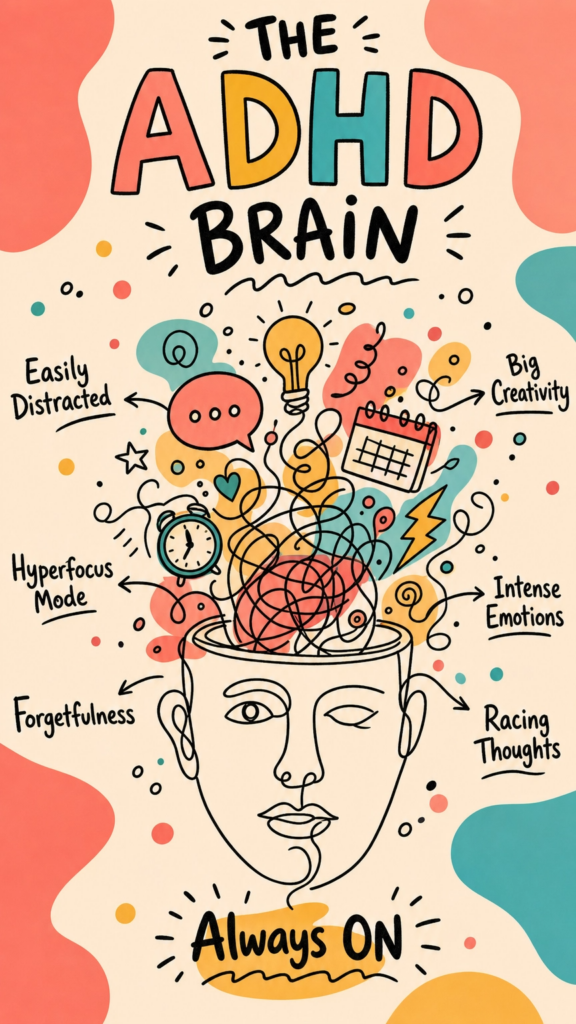
Attention Adults Struggling with ADHD!
FREE Online Adults with ADHD Workshop For You!
What: A Live Online Workshop
Where: On a Secured Zoom Webinar
When: May 27, 2026 at 7pm EST
Price: Free!
Do You Find Daily Tasks Difficult When You…
Try to get started in the morning
- Plan or organize your day
- Stay focused on tasks
- Manage time or meet deadlines
- Complete household responsibilities
- Keep track of appointments or commitments
- Switch between tasks
- Start tasks…but don’t finish them
Good news! Our clinic is hosting a FREE Online ADHD Workshop to help you better understand your challenges and improve your daily functioning.
This workshop is for adults who:
- Have a diagnosis of ADHD
- Suspect they may have ADHD
- Struggle with executive functioning (planning, organization, focus, etc)
This workshop is designed to be practical and relevant to your daily life We’ll focus on understanding your current challenges and introducing strategies that can help you function more effectively, without adding unnecessary complexity!

Duck Breasts with Raspberry Sauce
This elegant duck dish tops tender duck breasts with a sweet and tangy raspberry wine sauce. Serve with garlic mashed potatoes to soak up the sauce.
Ingredients:
- 4 (8-ounce) duck breast halves
- 2 teaspoons sea salt
- 2 teaspoons ground cinnamon or to taste (Optional)
- 4 teaspoons raw or turbinado sugar
- ½ cup red wine
- ¼ cup crème de cassis liqueur
- 1 teaspoon cornstarch
- 4 ounces raspberries
Instructions:
1. Preheat the oven to broil. Score duck breasts through the skin and fat, but not into the meat.
2. Heat a large heavy skillet over medium-high heat. Place duck breasts skin side down and cook until the fat renders and the skin is browned, about 10 minutes. Drain most of the fat from the pan. Return duck to the skillet, skin side up, and cook until firm and nearly cooked through, about 10 minutes more. Transfer duck breasts to a baking sheet. Mix sea salt, cinnamon, and demerara sugar in a small bowl; sprinkle evenly over the duck skin.
3. Whisk red wine, crème de cassis, and cornstarch in a small bowl until smooth. Pour into the skillet and simmer until thickened, about 3 minutes, stirring constantly. Add raspberries and simmer until heated through, about 1 minute.
4. Broil duck breasts, skin side up, until the sugar begins to caramelize, about 1 minute. Slice duck thinly across the grain. Spoon raspberry sauce over the top and serve warm.
Get Back in the Game with Expert Physiotherapy
Don’t let foot pain stop you in your tracks. At PhysioPlus Health Group, we provide targeted rehabilitation strategies and injury prevention programming to help you stay active and get back on your feet safely and effectively.