


How Physiotherapy Can Help Sports Injuries This Spring
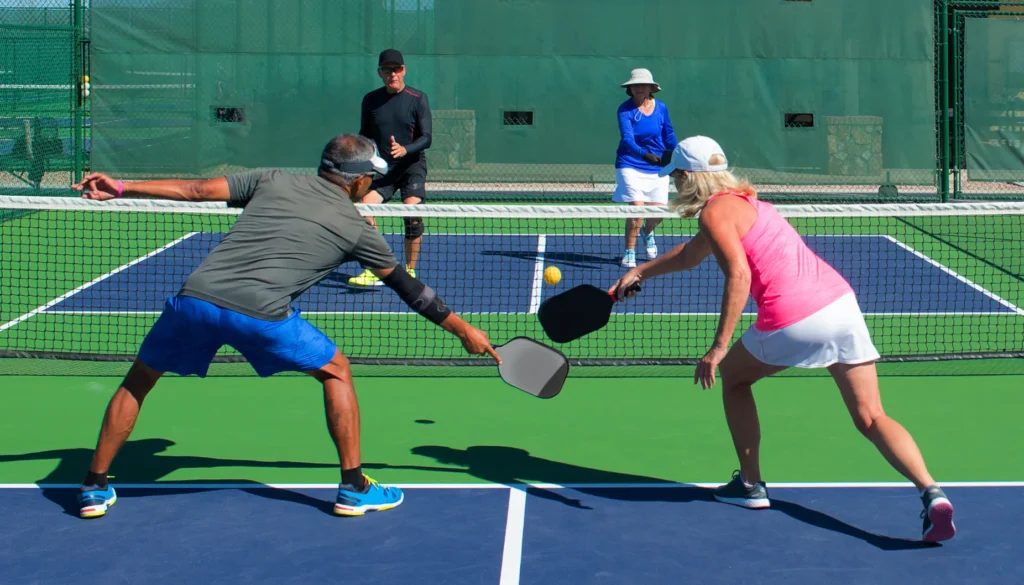
At PhysioPlus Health Group, we are experienced in dealing with all spring sports season injuries and can give you the programs to prepare you for the season and prevent new injuries! Are you looking forward to getting out on the courts? Do you look forward to golf or the start of baseball/softball season?
The winter seasons can be sedentary and lead to more aches, pains, and discomfort than one may think. Fortunately, the warm weather is a great time to get outdoors and play sports.
If you find yourself in pain from a throwing injury or a bad swing of the club or racquet this spring, or you’d like to discuss ways you can get in shape to prevent any injury, don’t hesitate to contact PhysioPlus Health Group.
Whether you are a young athlete or have played sports for decades, our physiotherapists know how to treat your injuries and get you back in the game.
Common Causes of Sports-Related Injuries
Injuries are a part of sports, but you can resolve them quickly and get back to doing what you love with a proactive approach to rehabilitation. Most athletes learn that taking care of issues when they are small leads to a faster recovery.
Many people think sprains and strains are the same, but they describe damage to different tissues. Tendons are tissues that connect muscles to bones, and ligaments are tissues that connect bones to the bone.
Sprains occur when a ligament is stretched beyond its limits or torn.
Strains occur when a tendon is stretched beyond its limits or torn.
Understanding Ankle Sprains
Sprains are typically the result of trauma, a deceleration (slowing down) movement, or a sudden change in direction. The most common symptoms include pain, inflammation, muscle spasm, and sometimes an inability to move the joints where the injury occurred.
Ankle sprains are often the result of a faulty step while running or stepping on uneven terrain. The injury occurs when the ankle rolls, twists, or turns awkwardly to the outer aspect of the ankle (i.e., lateral ankle sprain). This sudden stretch leads to partial or complete tearing of the ligaments supporting the ankle joint. The severity of the injury will determine the degree of pain, inflammation, and ability to move the joints where the injury occurred.
Approximately 85% of ankle sprains are inversion sprains (i.e., rolling outward). This injury damages the outside (lateral) ligaments and may lead to restrictions on how the joint moves. The joint restrictions will, in turn, affect the athlete’s ability to tolerate running and jumping and may also lead to chronic ankle instability and new injuries that impact an athlete’s ability.
It is important to note that it is in your best interest to have a physiotherapist make sure a sprain is fully healed before returning to your normal level of physical activity. Regardless of the type and nature of your sports injuries, our team can help!
Welcome Our New Resident Physiotherapists!

Magda Sandu
Resident Physiotherapist

Briana Neang
Resident Physiotherapist
Free Online Ergonomics and Pain Relief Workshop for Office Workers
Do You Have Pain When You…
What: A Live Online Workshop
Where: On a Secured Zoom Webinar
When: March 11, 2026 at 7:00 PM
Price: Free!
- Sit at your desk for more than 30 minutes?
- Work on your laptop at the kitchen table?
- Look down at your phone for long periods?
- Get out of your chair at the end of the day?
- Drive home from work?
- Try to sleep after a long workday?
- Notice tension headaches by late afternoon?
- Feel stiff and tight every morning?
If so, this Workshop is for YOU!
If you or a loved one wants actionable advice on how to relieve aches, stiffness, headaches, or back pain after a long day at your desk, we have some good news for you.
Our clinic is holding a FREE Online Ergonomics and Pain Relief Workshop designed specifically for office workers and people working from home. You can participate from the comfort of your own home and get actionable pain relief tools, ergonomic setup guidance, and movement tips to help you feel better.
Plus, you’ll discover so much more:
- Workstation mistakes that are causing your neck and back pain
- How to properly set up your chair, desk, keyboard, and monitor
- A simple desk mobility routine you can do daily
- Understanding when pain is fixable with setup and movement vs. when you should seek professional help
This is an interactive workshop, not just a lecture.
Our Occupational Therapist and Physiotherapist will:
- Guide you through gentle exercises together
- Demonstrate ergonomic adjustments to a workspace
- Show you how to modify your workstation setup without expensive equipment
- Answer your specific questions
- Share personalized tips you can use right away
Comprehensive Foot Care Services
We offer foot care treatments aimed at keeping your feet healthy and comfortable. Good foot care helps prevent problems, treat issues that arise, and make sure your feet stay strong and pain-free, which is important for your overall well-being. This includes a variety of specialized treatments.
What conditions are treated by foot care?
Foot care addresses a wide range of conditions to keep your feet healthy and comfortable. Some of the common conditions treated include:
- Ingrown Toenails: When the edge of a toenail grows into the surrounding skin, causing pain and swelling.
- Cracked Heels: Deep fissures in the skin of the heels that can be painful and may lead to infection if untreated.
- Diabetic Foot Complications: Issues related to diabetes, including poor circulation, neuropathy (nerve damage), and slow-healing wounds.
- Corns and Calluses: Thickened skin areas that develop due to pressure or friction, often causing discomfort.
- Warts: Small, rough growths on the skin, often caused by a virus.
- Hammer Toes: A deformity that causes toes to bend or curl downward instead of pointing forward, leading to discomfort or pain when walking.
- Arthritis: Joint inflammation in the feet, which can lead to pain, swelling, and reduced mobility.
- Neuropathy: Nerve damage that can cause numbness, tingling, or pain in the feet, often seen in people with diabetes.
- Nail Issues: Discoloration or thickened toenails.
Exercise of the Month
Ankle Alphabets
(Ankles, Foot Mobility)
Start by sitting up straight in a chair. Raise one leg out in front of you. Slowly write the letters of the alphabet with your foot, only moving at your ankle joint. 3 Sets, 10 Reps. (Materials needed: chair)
What to Expect from Physiotherapy
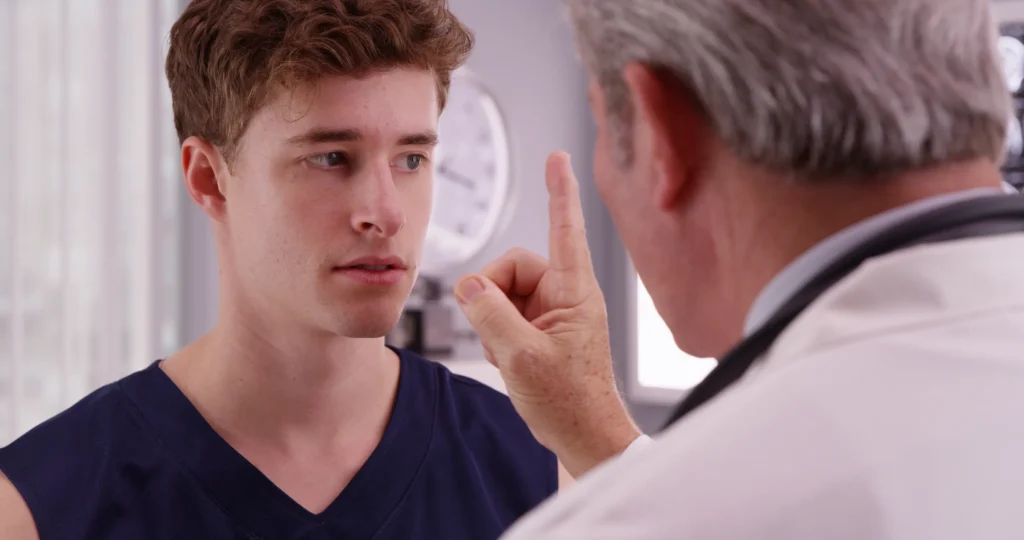
The overall goal of physiotherapy is healing and prevention. In addition to treating the injury, our physiotherapists will help resolve any pain, restore motion and strengthen the affected area to prevent additional injury.
An effective rehabilitation program depends on a thorough history to understand the exact nature of the injury and the athlete’s goals. We use the information gathered in the initial evaluation to identify the underlying condition and pathology of the symptoms.
Initial Treatment Focus
The initial stages of physiotherapy will focus on restoring any lost motion, reducing the swelling, and using all available treatments to alleviate any pain you may experience.
Your physiotherapist will incorporate manual techniques and modalities to reduce pain and inflammation before initiating active rehabilitation. Our programs focus on correcting dysfunction and/or improper technique and equipment.
Comprehensive Rehabilitation
Dysfunctional movement patterns can last for years, leading to re-injury and other injuries. Our therapists will design a comprehensive program that includes restoring range of motion, strengthening, neuromuscular control, proprioceptive responses, and sports-specific exercises. We will look for any changes in your gait pattern that may make it difficult for you to move around freely.
Our physiotherapists will show you therapeutic exercises to address any underlying issue, such as a weakness that may be contributing to altered movement patterns, balance issues, and overall susceptibility to more injuries. We will perform a comprehensive assessment to ensure we provide the tools you need to enjoy the sport you love!
Spring Sports Recovery Bowl

Support your body’s natural healing and reduce inflammation with this nutrient-packed bowl that’s perfect for active individuals.
Ingredients:
- 1 cup cooked quinoa
- 4 oz grilled salmon or chicken
- 1 cup steamed broccoli
- ½ avocado, sliced
- ½ cup cherry tomatoes, halved
- 2 tbsp pumpkin seeds
- Dressing: 2 tbsp olive oil, 1 tbsp lemon juice, 1 tsp honey, salt and pepper
Instructions:
Arrange quinoa in a bowl. Top with protein, vegetables, and avocado. Whisk together dressing ingredients and drizzle over bowl. Sprinkle with pumpkin seeds. This anti-inflammatory meal provides protein for muscle repair, omega-3s for joint health, and complex carbs for sustained energy.
Get Back in the Game with Expert Physiotherapy
Don’t let a sports injury keep you on the sidelines. At PhysioPlus Health Group, we provide comprehensive rehabilitation strategies and injury prevention programming to help you return to peak performance safely and effectively.
Contact PhysioPlus Health Group To Schedule An Appointment
We will work with you at PhysioPlus Health Group to accommodate your needs by providing the most advanced rehabilitation strategies and injury prevention programming.
For more information, contact us today!
Sources: https://jfootankleres.biomedcentral.com/articles/10.1186/s13047-021-00480-w, https://www.ncbi.nlm.nih.gov/pmc/articles/PMC6602402/, https://www.ncbi.nlm.nih.gov/pmc/articles/PMC3103112/, https://www.jospt.org/doi/full/10.2519/jospt.2018.7426