


The Surprising Connection Between Neck Pain and A Weak Upper Back
Plus, A Tale of Two Patients: One Who Strength-Trained, and One Who Didn’t
Do you ever find yourself trying to rub out a sore spot in your neck or find it difficult to turn your head? Neck pain is a common concern that can range from a mild nuisance to a big problem. And while neck pain can have several different causes, one contributing factor often gets overlooked: weakness in the shoulders or upper back.
When we deal with persistent aches and pains, poor muscle strength often turns out to be a significant underlying factor. When a muscle isn’t as strong as it should be, other muscles have to step in to compensate, which puts unnecessary strain on them — and makes them more susceptible to overuse injuries. The result? Seemingly random aches and pains that “come out of nowhere.”
If you’re struggling with persistent neck pain, there’s a chance that the problem is rooted in your shoulders or upper back. Slouching and prolonged sitting weakens those upper back muscles, forcing your neck muscles to work overtime — and leading to pain.
Let’s look at two case studies from the PhysioPlus Health Group files. Both people suffered from neck pain, but only one went through a dedicated strength training program (both names have been changed). What happened next?



Ally’s Story: No Time for Strength-Training
Ally was a receptionist who spent long days typing on a computer, answering the phone, and doing other clerical work. She started to notice a slight pain in her neck while she was at work. Although she ignored it at first, the pain persisted. She knew she needed to seek help.
Ally made an appointment with us, where we took her through a comprehensive assessment, including several movement and functional screens. We determined that she had strained the soft tissue in her neck due to her sedentary job.
We started Ally’s treatment with acute pain management using manual therapy techniques and some gentle mobility stretches, which did help her immediate symptoms. However, we knew it wouldn’t be enough to fully resolve her pain, so we suggested she begin a multi-week therapeutic exercise program to restore strength in her upper back and shoulders, helping to reduce the strain on her neck.
Unfortunately, Ally had decided to go back to school, and between work, her classes, and her family, she simply didn’t have time for physical therapy. So, while we were able to help Ally in the short term, her pain persisted in the long term, eventually landing her back in our clinic a year later.
Exercise of the Month
Bent Over Rows
(Upper Back, Shoulders)
Hold a weight in your hand. Slightly bend your knees and bend at your waist to bring your torso forward. Make sure your back remains flat and about parallel to the floor. Pull the weight towards you. Make sure your elbows stay close to your body. Slowly return to the starting position. 3 Sets, 10 Reps. (Materials needed: dumbbells)
Sarah’s Story: A Dedicated Strength Training Program
Sarah’s situation was very similar to Ally’s. She was a marketing assistant who also spent a great deal of time on both her laptop and a mobile phone, and she also experienced a gradual onset of neck pain. And, like Ally, she paid us a visit when it became too much.
We gave her a similar diagnosis: a strained neck muscle brought on by improper posture and prolonged sitting. We also provided her with acute pain relief. The difference? Sarah was able to continue her treatment with a six-week therapeutic exercise program.
We met with Sarah twice weekly to guide her through a custom set of targeted neck, shoulder, and upper back exercises. We started with gentle stretches and mobility work before progressing to resistance training exercises. With the help of some dumbbells and an exercise band, Sarah built strength through her upper body, providing her neck with the support it needed.
We also helped Sarah set up her workstation to be more ergonomic, including adjusting the height of her computer monitor and rearranging her keyboard. And we gave her some tips for maintaining postural awareness throughout the day.
The result? After six weeks, Sarah’s neck pain was entirely resolved — and she didn’t have to seek additional treatment!
Sources: https://www.ncbi.nlm.nih.gov/pmc/articles/PMC6723111/, https://www.ncbi.nlm.nih.gov/pmc/articles/PMC6093121/
Ready To Attack Your Neck Pain at the Source?
If you’re struggling with persistent neck pain, physical therapy at PhysioPlus Health Group can help you find lasting relief. Just as we did with Ally and Sarah, we’ll assess your symptoms and develop a customized treatment plan that seeks to resolve your neck pain altogether.

Congrats, Recent Physiotherapy Grads!
Congratulations to our recent physiotherapy graduates! Your hard work, dedication, and commitment to recovery have paid off. We’re so proud of your progress and can’t wait to see all the amazing things you’ll accomplish moving forward.
Run a Sock Drive
A simple ask to help the unhoused get back on their feet.
Socks are one of the most needed, but least donated, articles of clothing. A regular supply of new socks helps prevent foot-related diseases and ensures that someone experiencing homelessness can walk to shelters, to job interviews, and get the help they need.
Socks 4 Souls Canada is grateful for all monetary and/or sock donations to us via sock drives. A huge thank you for choosing to help us help the 85,000+ unhoused people in Ontario.



1. Escape Room at Casa Loma
Not your average escape rooms! They are a super fun way to explore the historic castle, solve puzzles and uncover secrets with my friends or family!

2. Go Skating
Whether you go to the Bentway, Sam Smith Figure 8 Rink or you decide to rent ice at an arena with friends and family, this is one of my favorite winter activities in the city.

3. Walk Along the Humber River
The trail along the Humber River is a great way to get outside for some fresh air and listen to my favorite tunes or podcast.

4. A PWHL Game
Going to a Professional Women’s Hockey League game is a super fun way to spend a winter afternoon or evening…without breaking the bank!

5. The Winter Village at the Distillery
This is such a great spot, filled with beautiful lights and cute shops. It’s the perfect place to wander around and soak up the festive vibes.
Monica Is Back!
Great News!
Our Pilates Instructor, Monica Soderstrom, is now back at the clinic and excited to see patients again!
If you’ve been waiting to resume your Pilates sessions or want to start something new to improve strength, mobility, and overall wellness, now is the perfect time to book.
We’re happy to have Monica back and can’t wait for you to work with her again!

Who Can Benefit from Occupational Therapy?
Occupational therapy is for anyone who wants to improve their ability to manage daily life, recover from challenges, or stay independent. Occupational therapy serves individuals of all ages, addressing a wide range of conditions and life circumstances.
- Children and teens may benefit from OT if they need help reaching developmental milestones, managing sensory processing, self-regulation, self-care, building fine motor skills, or adjusting to school demands. Occupational therapy can also help young people develop social skills, boost self-esteem, and become more independent in daily routines. By tailoring therapy to each child’s unique strengths and challenges, OTs support success both at home and in the classroom. This individualized approach helps children and teens reach their full potential during important stages of growth and development.
- Adults often seek OT after an injury, surgery, concussion, or when living with ongoing conditions like chronic pain, arthritis, or mental health challenges. OT can also help with returning to work or adapting to major life transitions. Occupational therapists provide personalized strategies to manage symptoms, improve daily routines, and support overall well-being. By focusing on each individual’s unique needs and goals, OT empowers adults to regain independence, boost confidence, and enhance their quality of life.
- Seniors commonly use OT for fall prevention, home safety, and strategies to stay active and independent while aging in place. It can also support people with dementia and their caregivers. Occupational therapists offer practical approaches to adapt the living environment and daily routines, ensuring safety and maximizing independence. By working closely with clients and their families, OTs help seniors continue enjoying meaningful activities and maintain their quality of life as they age.
- Athletes and active individuals may benefit from occupational therapy not only when recovering from sports-related injuries, but also when facing life transitions such as stepping away from competitive sport. Leaving a sport or active lifestyle can lead to a sense of lost identity or routine, as these activities often form a central part of who you are. Occupational therapists can help you navigate this change by supporting both your physical recovery and helping you build new routines, set fresh goals, and find meaningful ways to redefine your sense of self and purpose in everyday life.
No matter the stage of life, occupational therapy is about helping you do the activities that are important to you- safely, confidently, and as independently as possible.
Winter Arthritis Tips: Stay Warm, Stay Mobile, Stay Pain-Free
Do you notice that your arthritis becomes more painful in the winter? Does it become harder to go about your daily activities?
Arthritis can hinder many qualities of life — from work to hobbies to overall mobility. Some people are so affected by arthritis that they cannot work and have to go on disability.
If you are suffering from the chronic pain of arthritis, or you think you might be, call PhysioPlus Health Group to schedule a consultation with one of our physical therapists. Physical therapy is a safe, healthy, and effective way to treat arthritic pain.
Although cold weather does not cause arthritis, it can aggravate existing aches and pains. According to the Arthritis Foundation, cold temperatures can increase pain sensitivity, slow blood circulation, and cause muscle spasms.
Luckily, there are some things you can do to help alleviate your arthritis symptoms in the winter, including:
- Keep warm. If the winter chill bothers your joints, the best antidote is to bundle up! Layer up with hats, gloves, and scarves. You could also take a warm bath to help your stiff joints.
- Exercise. When you’re in pain, exercise might be the last thing on your mind. But did you know that getting active is the single most effective way to alleviate arthritis pain and keep your joints happy? Exercising can include anything from taking a yoga class to walking around your neighborhood.
- Practice healthy eating habits. Did you know that your diet can contribute to your levels of inflammation and, consequently, how much pain you’re in? Opting for anti-inflammatory foods can significantly improve arthritis symptoms.
If you believe you need some extra help when it comes to pain relief this season, don’t hesitate to contact PhysioPlus Health Group. Our dedicated team can help you start feeling better, so you can focus on enjoying this winter with your loved ones.
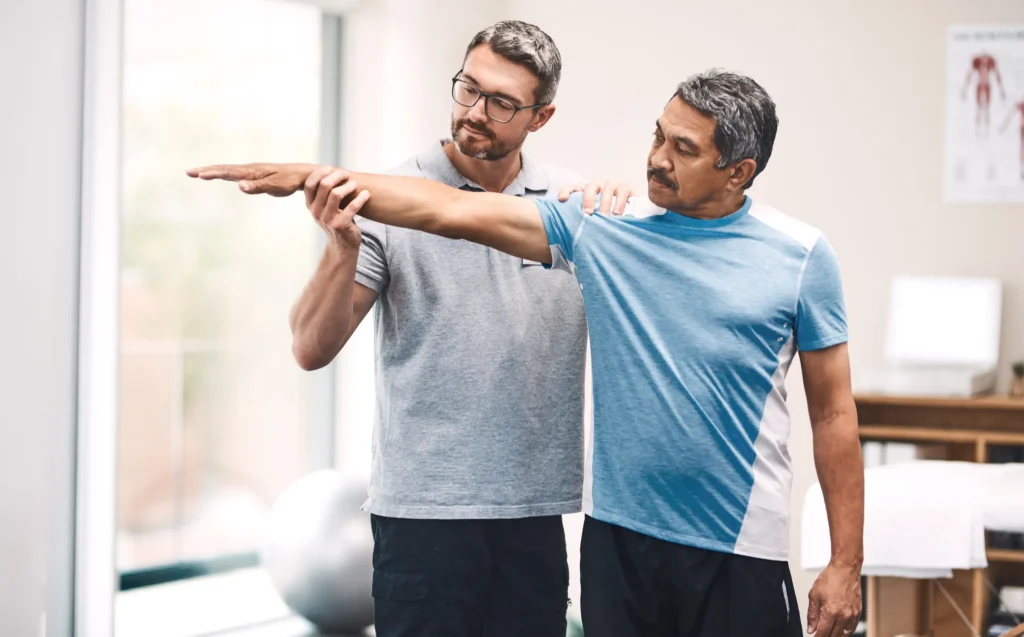
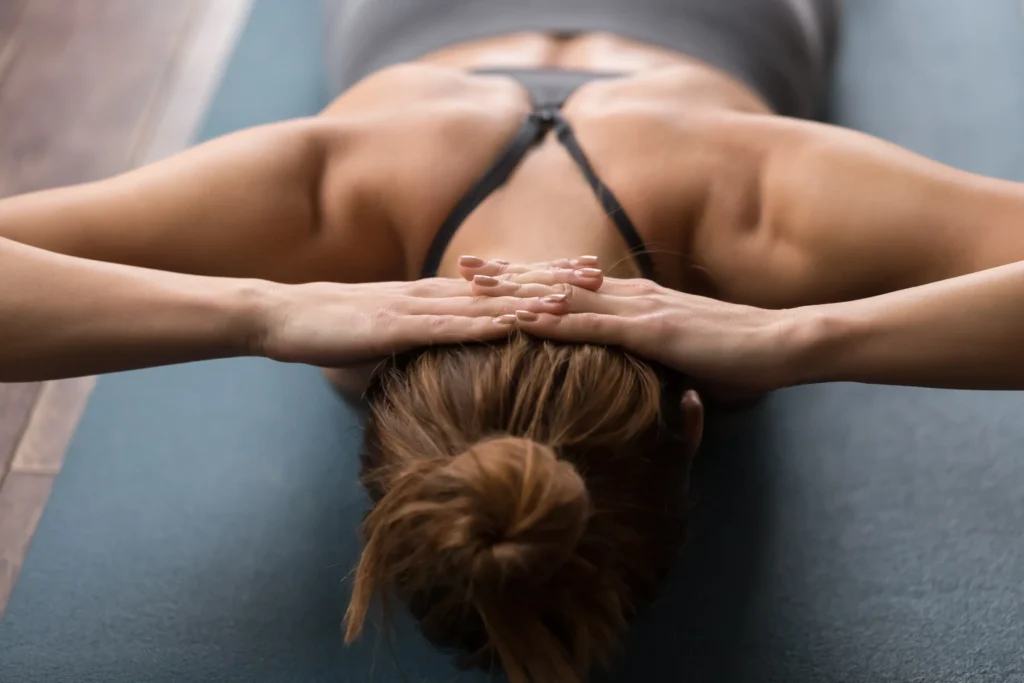

Three Exercises to Strengthen Your Shoulders and Upper Back
Maintaining strength throughout your shoulders and upper back is crucial to avoid neck pain! The physical therapists at PhysioPlus Health Group can help you develop a customized exercise program that addresses your needs and fits with your abilities.
Curious about what exercises we might include in that program? Here’s an overview of three common resistance training exercises we often use to help people with neck discomfort. Before trying any of them yourself, make an appointment with our team to ensure you’re using the right weight and proper form.
- Shoulder Press: With a dumbbell in each hand, make a “field goal ” shape with your arms: your arms are bent at a 90-degree angle with your palms facing up. Brace your core as you press the weights overhead, then slowly lower them back down to your starting position.
- Reverse Flies: Lean forward at your waist with your elbows slightly bent and a dumbbell in each hand. Slowly raise the weights until they are in line with your shoulders.
- Modified Push-Ups: Push-ups are a great way to build upper back and shoulder strength, but if you find the standard push-up too difficult, never fear: the modified version is just as effective. Start on your hands and knees (instead of your feet) with the body in a straight line from head to knee. Slowly lower your chest until it’s a few inches off the floor, then rise back up.
A dedicated strength-training program is a great way to reduce neck discomfort. Schedule an appointment with us to get started with one of your own!
Sources: https://www.physio-pedia.com/Neck_Pain_Tool-kit:_Step_3

Creamy Tuscan Chicken
- 2 tablespoons olive oil
- 4 boneless, skinless chicken breasts (or thighs)
- Salt and pepper to taste
- 3 cloves garlic, minced
- 1 cup cherry tomatoes (halved)
- 2 cups baby spinach
- ½ cup sun-dried tomatoes (optional but flavorful)
- 1 cup heavy cream
- ½ cup chicken broth
- ½ cup grated Parmesan cheese
- 1 teaspoon Italian seasoning (or mix of basil, oregano, thyme)
- Sear the chicken: Heat olive oil in a large skillet over medium heat. Season chicken with salt and pepper, then cook for about 5–6 minutes per side until golden brown and cooked through. Remove and set aside.
- Make the sauce: In the same pan, add garlic and cook for 30 seconds. Add cherry tomatoes and sun-dried tomatoes. Cook until tomatoes start to soften.
- Add cream and broth: Pour in heavy cream and chicken broth. Stir in Parmesan and Italian seasoning. Simmer 3–4 minutes until thickened slightly.
- Combine: Add spinach and stir until wilted. Return chicken to the pan, spooning sauce over top. Simmer another 3 minutes to meld flavors.
- Serve: Serve hot over mashed potatoes, rice, or pasta.