
How to Choose a Knee Brace for Running
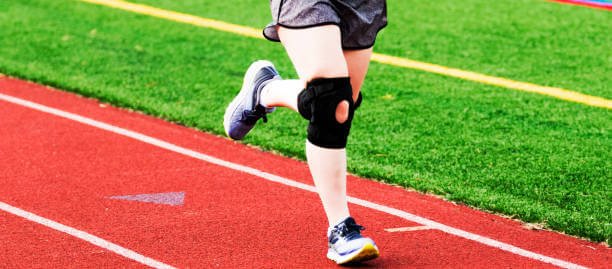

Running is one of the best activities to keep in shape both physically and mentally. However, sometimes training can hurt. Knee pain is one of the most common sources of pain in runners, especially those just starting off.
These pains can be due to many different reasons including tendon injuries, ligament sprains, muscle strains, or even arthritis. When dealing with any of these issues, knee bracing can be a great option to decrease pain and improve overall function!
Running knee braces work by providing support to your joint to improve stability. As you’ve probably seen, knee braces come in all shapes and sizes and the specific brace you need will depend on the reasons for your pain.
Ask a Physiotherapist
The first step in choosing a knee brace for running is to speak with a certified physiotherapist. In your initial assessment, you and your physiotherapist will have a conversation to uncover what’s causing your pain, your goals of treatment all while considering your running schedule.
From there, your physiotherapist will let you know whether getting back to running immediately is the best course of action. If you are cleared to return to running, your physiotherapist may recommend a brace specific to your needs as not all braces are created equally!
Knee Braces for Runners
Knee Strap

A knee strap also known as a knee band is the most minimal type of knee brace you can wear while running. Knee straps are minimal and can easily be worn under most running clothes. This type of knee brace helps alleviate pressure off the patellar tendon in the knee (the tendon just below your kneecap). When the patellar tendon is repeatedly stressed as it is in running, it can cause inflammation and patellar tendonitis – leading to knee pain and discomfort. This is exactly what knee bands help manage and prevent.
Knee Sleeve
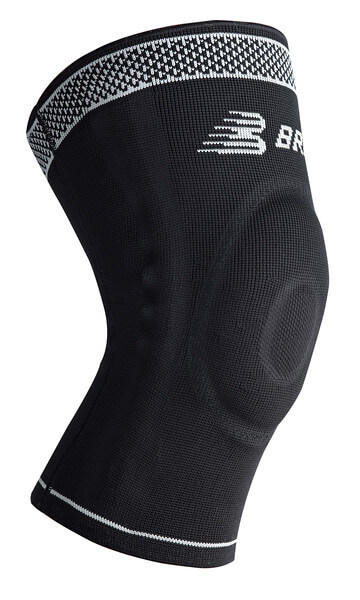
Providing slightly more support are knee sleeves. These are the most common type of knee braces you may see being worn by runners or average gym-goers.
This type of brace covers the entire knee and provides widespread compression and support to decrease knee swelling and reduce pain.
Similar to knee straps, knee sleeves can be worn under most running clothes.
Patellar Brace
One of the main causes of pain in the front of the knee in runners is “Runners Knee” also known as Patello-Femoral Pain Syndrome. This results from the kneecap (patella) rubbing up against your femur (thigh bone) irregularly which leads to inflammation and pain.
Patellar braces aim to stabilize your kneecap and allow it to move up and down your knee smoothly, therefore, reducing pain. While still quite minimal, you may not be able to wear a patellar brace under all running clothes.
Wrap Around Knee Brace

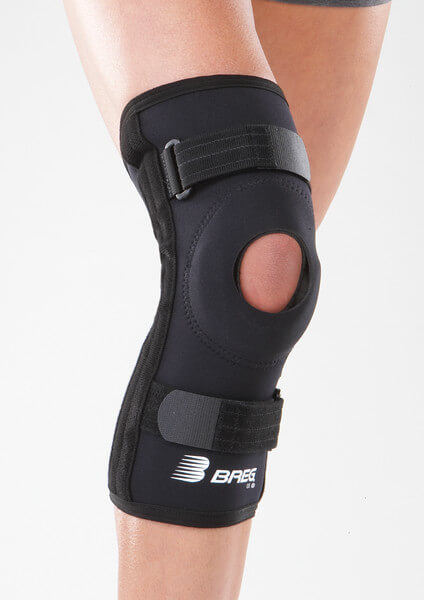
Wrap-around braces are a type of knee brace that covers the entire knee joint like a knee sleeve while offering much more support. At the same time, wrap-around knee braces still allow for a high range of motion and are relatively light and easy to put on.
As the name suggests, you put this brace on by wrapping its straps around your knee which you can make as tight, or loose as you want, depending on the support that you need. Many wraps around knee braces also have a hole in the front which helps with patellar tracking like patellar braces.
As this is a high support brace, you should not need a wrap-around knee brace to run regularly. If you have been using one for a while, consider speaking to your physiotherapist to see if it’s the right option for you.
Hinged Knee Brace

The most supportive type of knee brace is a hinged knee brace. This type of knee brace is quite large and restricts range of motion to allow your knee to heal. This type of brace is often used after surgery or a significant structural injury to your knee. Due to this, it is not common for one to be used while running.
Usually, by the time you are ready to return to running, your physiotherapist would have chosen one of the previously mentioned braces.
If you are currently using a hinged knee brace while running and have not sought out professional help, consult with a physiotherapist or a doctor as soon as you can.
Click here to read our blog on “Everything You Need to Know about Knee Bracing”
Conclusion
If you are experiencing pain in your knee while running, bracing may be able to help.
Depending on the cause of your pain, the right braces can make a world of a difference. However, it is important to recognize that in most cases, bracing is not a long-term solution for running related knee pain.
A comprehensive physiotherapy rehabilitation program to help with your knee pain will likely include stretching tight areas and strengthening exercises along with bracing to get you back to running pain free.
Contact us to book a free 20-minute consultation where you can get honest treatment advice from one of our physiotherapists!
This blog was written by Luke Gregg, a Physiotherapy student at the University of Toronto
Frequently Asked Questions
How long should I wear my knee brace?
This depends on the type of knee brace you are wearing as well as the reason you are wearing it! As a general rule, you should wear your knee brace anytime you are running or playing sports. Sometimes, your physiotherapist may recommend keeping your brace on during the day even while you are not running. At the end of the day, your physiotherapist will give you specific guidelines for when you should and should be wearing your brace.
Do I still need to do my exercises if wear my knee brace?
The short answer is yes. The long answer is yes, of course! While bracing can be very helpful in reducing pain and allowing your knee to heal, wearing a knee brace isn’t a shortcut to stopping knee pain. Bracing is only a part of a much larger set of tools to help the body get back to full health which includes exercise!
How do I take care of my knee brace?
This is one of the most asked knee brace questions. While manufacturers may provide specific maintenance instructions, a few basic tips for keeping your running knee brace in good condition include inspecting the brace frequently for wear, regularly cleaning it with soap to keep it clear of bacteria, and covering exposed metal to reduce the risk of injury.