
Benefits of Wearing a Knee Brace
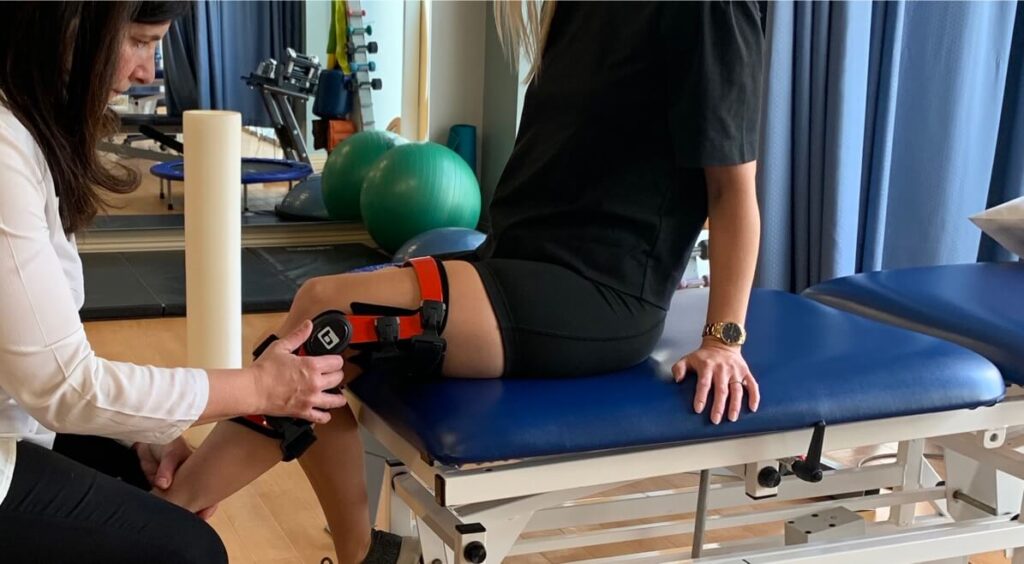

Your knee is one of the most complex and vulnerable joints in your body. Your knee has tissues called ligaments and tendons that act like built-in stabilizers, which keep your bones aligned during movement. These tissues can wear with age or be weakened by injury, surgery, or arthritis, making movement feel unstable and sometimes painful. In these instances, a knee brace can act like an artificial support system, mimicking the stabilizing role of your natural ligaments and tendons.
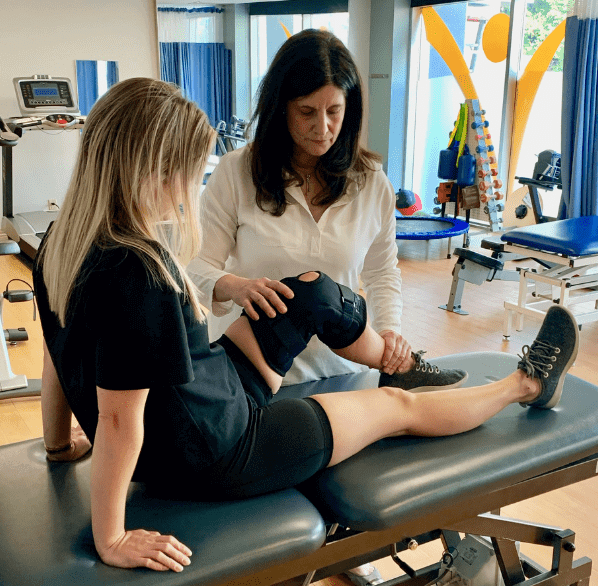
What makes your knee so complex and vulnerable? Think of a simple walk, not only is your knee bearing the weight of your body with each stride, but it also absorbs the twisting motions of a quick turn and the tension forces of a side-step.
The main benefits of a knee brace include protection from these forces, improvements in stability, reduction in pain, and greater confidence in your daily movements. With the expertise of your physiotherapist, a properly fitted and correctly worn knee brace will serve as a protective aid and a tool to keep you moving confidently.
What are the main benefits of wearing a knee brace?
Wearing a knee brace can be a helpful way to support your knee during daily activities, recovery, or when managing ongoing pain. It works by providing added stability to the joint and reducing unnecessary strain, allowing you to move more comfortably and confidently.
Main benefits of wearing a knee brace:
- Provides support and stability to the knee joint
- Reduces stress on ligaments and tendons
- Helps offload painful pressure points in arthritic knees
- Supports recovery after injury
- Improves mobility during movement
- Reduces pain and discomfort
- Builds confidence when walking or exercising
- Encourages safer, more controlled movement
Overall, a knee brace can be a simple but effective tool to help you stay active while protecting your knee and supporting your recovery or long-term joint health.
How does a knee brace help with pain relief?
What causes pain in an arthritic or recovering knee? Often, it’s movements without proper pressure absorption or joint alignment, and pain-signalling inflammation.
A knee brace limits movements that worsen this discomfort. Its compression of the joint improves alignment, reduces twisting or stretching strains, and eases inflammation.
Does wearing a knee brace help after an injury?
Yes, a knee brace can help with recovery, but its benefits depend on your situation. Factors like your injury type, body mechanics, and daily activity levels all contribute to recovery.
A knee brace works best alongside physiotherapy, where exercises restore strength, movement, and healing, and the brace provides additional support
View this post on Instagram
Can knee braces prevent future knee injuries?
In some cases, certain braces can benefit athletes or those with ligament weakness. It can help prevent injuries by providing extra support during high-intensity, high-risk movements. But, they shouldn’t be used to replace broader injury prevention methods like stretching and strengthening exercises.
Are knee braces good for arthritis pain?
Yes, knee braces can sometimes help with arthritis pain. Arthritis pain comes from unprotected pressure on your knee bones, and certain braces (e.g., unloader braces) can shift pressure away from these damaged areas. This will make walking, standing, and daily activities feel easier.
How long should a knee brace be worn for best results?
The duration depends on your condition and the type of brace you’re using. Depending on the instruction of a physiotherapist, some wear braces only during activity, while others benefit from prolonged wear during the day.
It’s best to always follow the guidance of your healthcare professional to optimize your healing timeline.
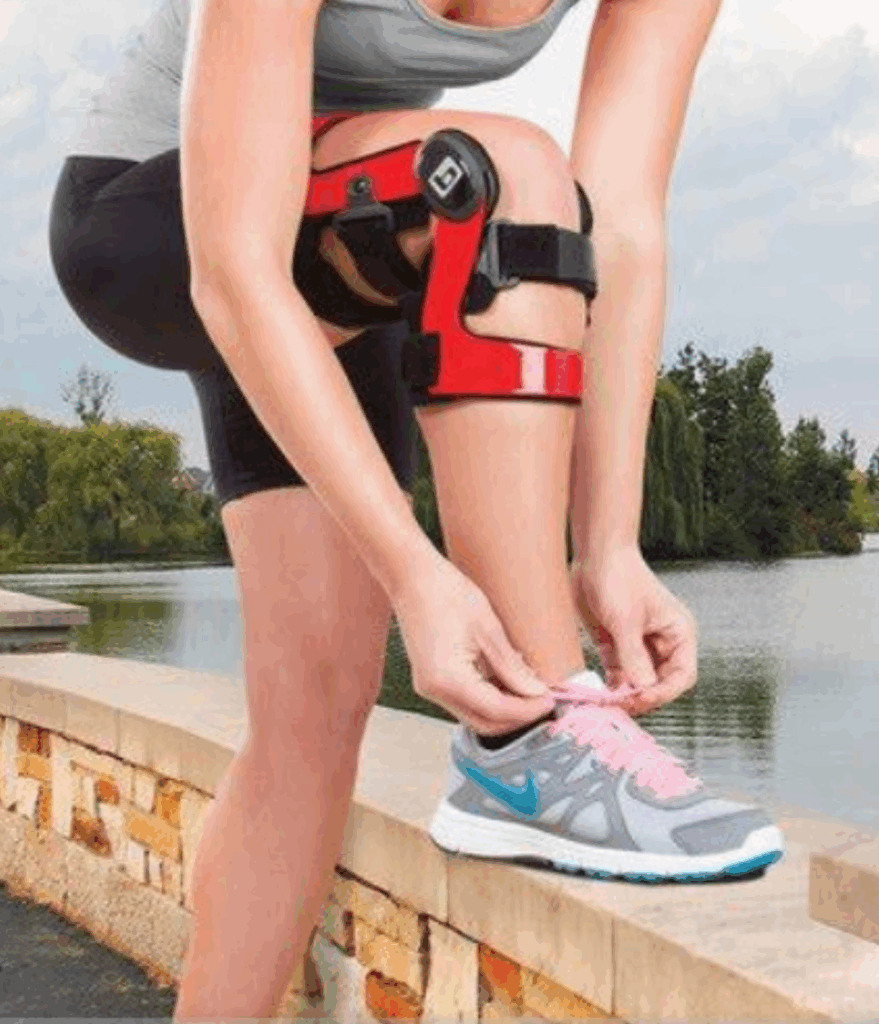
Ready for a Knee Brace? Here’s Your Next Step
If knee pain, instability, or injury is holding you back, a physiotherapist can help you choose the right knee brace and show you how to use it properly. You’ll also receive an exercise plan to guide your recovery, build strength, and protect your knee long-term.
Don’t leave your recovery to trial and error. Book an appointment for some much KNEE-ded guidance!
This blog was written by Ghazal Heshmati, a Physiotherapy student at the University of Toronto
Frequently Asked Questions
How should a knee brace fit?
A knee brace should fit snugly so it stays in place and provides support during movement. If it’s too tight, it can restrict circulation, which isn’t ideal. To ensure a good fit, you can opt for custom bracing, or knee braces with adjustable straps.
Are custom knee braces better than store-bought ones?
A custom knee brace is fitted to your body and designed for your specific condition, so it can offer optimal support. Store-bought braces are more generally effective for mild-to-moderate conditions, but may not provide the same level of precision.
How often should a knee brace be replaced?
Replace your knee brace if it becomes worn, stretched, or loses its compressive and supportive feel. The longevity of your knee brace depends on the material, your usage, and your activity levels. It’s critical to watch for signs of wear and consult with your physiotherapist for the best replacement timing