
What is Shockwave Therapy and How Can it Benefit Me?


There is always new and improving technology in the world of rehabilitation and Shockwave Therapy is one of them! Shockwave therapy uses a device that jump-starts your body’s healing process and helps provide you with pain relief whether it be chronic or acute.
Shockwave therapy is an advanced and proven technology that is being used more and more in physiotherapy and chiropractic clinics. It’s been shown to help with many types of conditions and injuries to stimulate healing, reduce pain, and can help you get back to doing the activities you love doing…pain free!
Are you wondering about what it is and how it can help you? Keep reading to find out!
What is Shockwave Therapy?
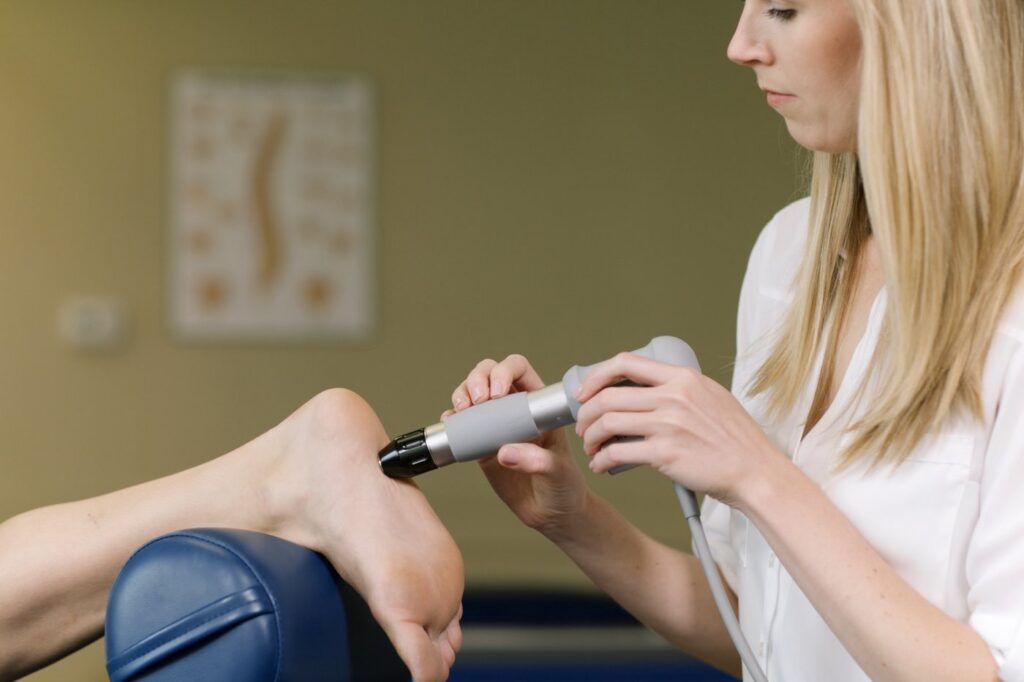
Shockwave therapy is a device that provides patients with pain relief and restores your mobility. It is an ideal therapy to speed up recovery and cure various issues that are causing you pain.
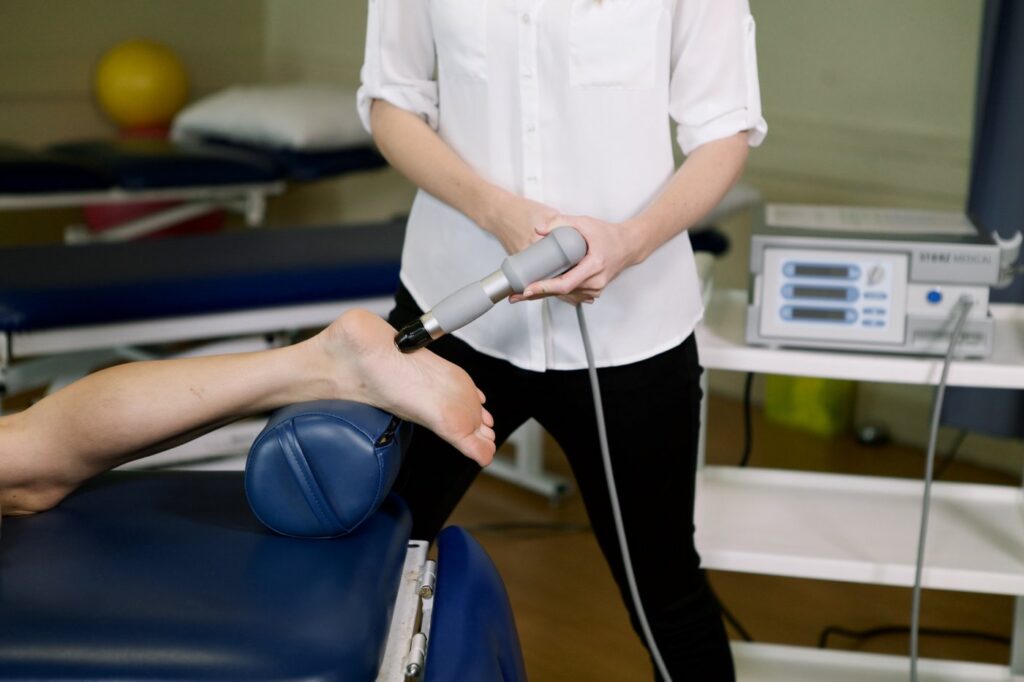
Shockwave therapy is a treatment that speeds up the body’s natural healing process. It does this by stimulating the body’s metabolism and enhancing blood circulation to regenerate damaged tissue. The device delivers strong energy pulses which produce sound pressure waves that are transmitted to the affected area.
Shockwave therapy has proven to be effective in many types of conditions and injuries where the body is unable to heal itself on its own!
What Does Shockwave Therapy do?
There are many benefits to shockwave therapy which you can read about below:
- Reduce pain: Shockwave therapy overstimulate the nerve endings in the affected area which results in a reduction in the pain
- Reduce chronic inflammation: Mast cells are on of the key components of the inflammatory process and shockwave increases their activity allowing chronic inflammation to be reduced
- Stimulates collagen production: Our bodies need collagen in order to repair muscle and ligament tissue. Shockwave therapy accelerates the making of collagen ensuring that the body has enough to repair damaged tissues.
- Breaks up calcification in our tissue: A build of calcium can often result from micro-tearing or other trauma caused to the tendon. The sound waves produced from shockwave assists in breaking these existing calcifications up.
- Releases trigger points: Trigger points can be extremely painful and are common in areas like the back, neck, and shoulders. The acoustic energy that is delivered to the affected area unblocks the calcium pump and reverses the metabolic crisis in the muscles which allows the trigger points to release.
- Increases circulation: Enhancing the blood circulation to the injured soft tissues along with stimulating the body’s metabolism allows the regeneration of the damaged tissues.
On top of all of these benefits of shockwave therapy, it is also non-invasive and non-surgical and has minimal side effects.
Does Shockwave Therapy Work?
Shockwave therapy’s technology has grown and advanced since the treatment was invented more than 50 years ago. Researchers are still discovering new ways to use Shockwave to help patients deal with pain and help them recover from numerous injuries and conditions. There is plenty of scientific evidence that supports the use of shockwave therapy.
One of the most researched areas in shockwave is that of shockwave treatment for tendinopathy. It is non-invasive, simpler, faster and safer. This type of treatment significantly reduces the pain that accompanies tendinopathies and improve patients functionality and quality of life compared to the traditional treatment methods.
The leading research shows that there was up to a 91% improvement with an 84% success rate for a number of conditions, including tendinopathy.
If you don’t believe us, check out these patient testimonials about how shockwave therapy worked for them!
View this post on Instagram
“Fixed my plantar fasciitis after struggling with pain for over a year. Shockwave made a huge difference in the hands of these professionals” – Hussain S.
Shockwave for Plantar Fasciitis
Plantar fasciitis occurs when there is inflammation of the plantar fascia which is a band of tissue that runs along the bottom of your foot, connecting your heel to your toes. This condition typically causes pain in the bottom of your foot and heel that is more noticeable in the morning.
Plantar fasciitis typically responds to traditional treatments such as stretches, orthotics, changes in activity and physiotherapy; however, there are cases where the pain still continues. When this happens, shockwave therapy is one of the best treatment options available.
As mentioned earlier, shockwave therapy uses a probe to transmit sound waves to the affected areas, in this case the plantar fascia. These sound waves help break down any scar tissue and help regenerate the injured tissue. It also increases the blood flow to the area which triggers our body’s natural healing process.
Researchers found that four sessions of shockwave therapy helped reduce the thickness of the plantar fascia and also reduced the symptoms of the inflammation that was in the area. If you are suffering from plantar fasciitis and think shockwave therapy might be right for you, contact us today to book your appointment!
Shockwave for Tennis Elbow
Shockwave treatment has also been proven as an effective treatment for tennis elbow. The success rate for recovery following a shockwave treatment for tennis elbow surpasses 95%. A 2018 study showed patients that received shockwave therapy demonstrated significant improvements in regards to pain, function and grip strength.
Shockwave is used to address the failed healing process in this tendon that is caused by this disorder. Conservative treatment of tennis elbow tends to be long, but shockwave therapy offers a rather prompt pain relief and cure with success in over 70% of patients in just a maximum of 5 treatments, however it does depend on each individual case. Contact us to learn more about how shockwave therapy can help with your tennis elbow!
Is Shockwave Good for Arthritis?
Shockwave therapy is beneficial for osteoarthritis, specifically in the knee. It helps reduce pain and improve an individual’s function. Shockwave therapy can accelerate the body’s healing process through increasing blood circulation and boost the body’s metabolism, while simultaneously reducing the inflammation.
A study compared the effectiveness of shockwave therapy to conservative therapy in treating knee osteoarthritis. It was found that the individuals that received the shockwave therapy showed a greater decrease in pain and increase in their function. It is common for patients to require 3-6 sessions to achieve optimal results.
Book an appointment now if you want to put a stop to your osteoarthritis pain with shockwave therapy!
Shockwave for Tendonitis
Shockwave therapy is a very commonly used treatment for tendonitis as it alleviates inflammation and pain caused by tendonitis. It drastically decreases pain in the affected area after use, allowing you to be able to perform their exercises with less pain for up to 48 hours after your session.
Shockwave therapy allows for the formation of new blood vessels in the damaged tendon. The mechanical waves also jump start an inflammation-like condition to the area being treated. The body responds to this by increasing circulation of blood and increasing metabolism which accelerates the healing process while also breaking down the injured tissue.
Shockwave therapy has become the standard option for treating patients with chronic and painful tendonitis. Contact our clinic today!
What Other Conditions is Shockwave Good for?
Shockwave therapy can be used to treat a variety of different injuries. Below are just some of the conditions that may benefit from shockwave treatment.
Jumper’s Knee
Jumper’s Knee is an inflammation or injury of the patellar tendon felt as pain, tenderness and functional deficit. Shockwave therapy is a safe and effective form of treatment and helps in fast pain relief and mobility restoration.
Frozen Shoulder
Frozen shoulder affects the shoulder joint caused by inflammation or injury. The tissue surrounding the shoulder joint, called the capsule, becomes thick and tight causing stiffness and pain. Shockwave targets the capsule to reduce pain and speed up healing.
Bursitis
The body has small fluid filled sacs known as bursae that serve a very important purpose including cushioning and ease friction between bones, muscles, tendons and skin. Bursitis conditions occur when these sacs get irritated or inflamed and are commonly caused by trigger points surrounding the area. Shockwaves can help release these trigger points and reduce the inflammation.
Heel Spurs
Heel spurs occur at the base of the heel and are sometimes associated with plantar fasciitis. They can develop when there is traction on the inferior part of the heel that causes calcium build up in that area. Shockwave therapy can help break up the calcifications that occur with a heel spur.
Achilles Tendonitis
An injury to the achilles tendon, caused by overuse of the tissues that connects the calf muscles at the back of the lower leg to the heel bone. On top of feeling pain, some patients also feel tenderness, stiffness , morning pain and intermittent swelling. Shockwave therapy provides pain relieving effects by increasing blood flow and reducing inflammation.
If you or someone you know could benefit from shockwave therapy to help treat one of these conditions, book your consultation today to learn more!
What Health Professionals can Provide Shockwave Therapy?
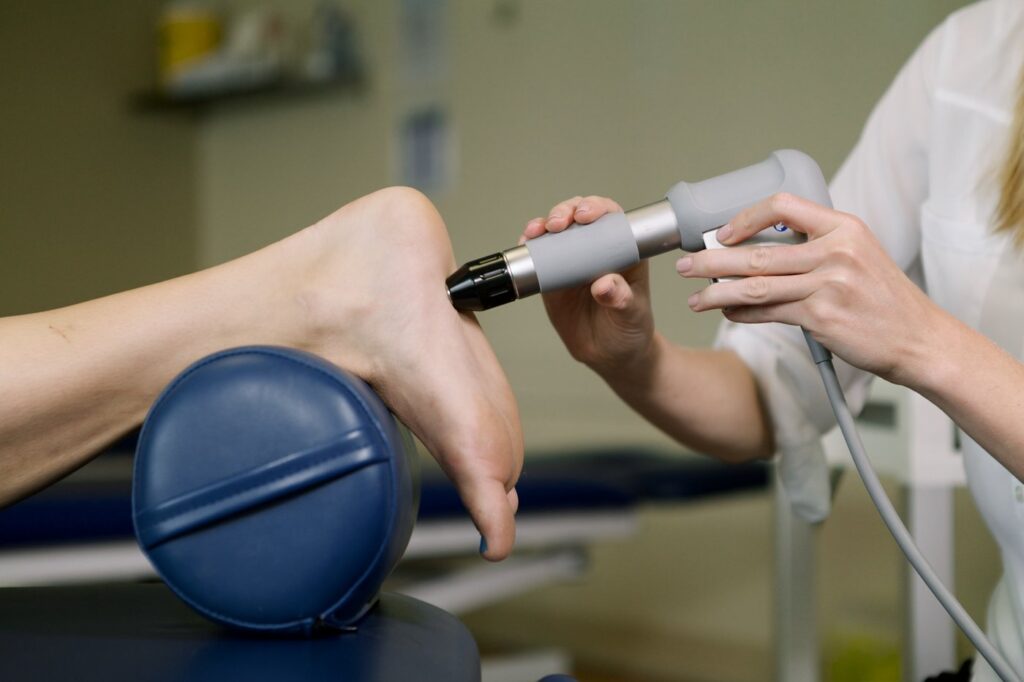
There are many different professionals that can provide shockwave therapy. The professional that you go see will depend on the type of injury that needs to be treated. Some of these healthcare professionals include physiotherapists, chiropractors, sports medicine physicians, orthopedic surgeons and more.
This blog was written by Francesca Biondi, a physiotherapy student at the University of Toronto.
FAQs
Are there any shockwave side effects?
There are no major side effects that come with shockwave therapy, however there are a few mild ones. These are limited to mild bruising, swelling, pain, numbness or tingling in the treated area.
Is shockwave therapy painful?
Most patients report some discomfort during the therapy but do not find it painful. The amount of discomfort depends in part on the person, the injury and whether the damaged tissue is closer to the bone. It is common for treatments that are delivered close to a bone to be more uncomfortable.
Is shockwave therapy covered by insurance?
Yes, it can be covered. The shockwave treatment will be invoiced under the treating therapist. This means that if you have extended health benefits for things such as a physiotherapist or a chiropractor, shockwave therapy should be covered by your plan.