
What’s causing my Heel Pain and can Orthotics help?
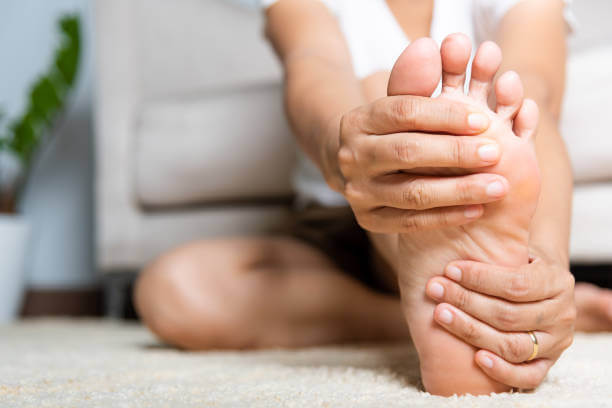

Have you ever experienced a sudden sharp pain in your heel that seems as if it came out of nowhere? And it feels like no matter what you do – running, walking, and even standing seems to trigger it. Well, it might be plantar fasciitis.
Plantar fasciitis is one of the most common causes of heel pain. It involves inflammation of the thick band of tissue that connects your heel bone to your toes, called plantar fascia.
It often causes a sharp stabbing pain in the heel area that generally occurs with your first few steps in the morning, or after standing or walking for a long period of time.
If you have plantar fasciitis, you know that it can be extremely painful. What if I told you there is a way to decrease your pain? Well, one strategy is through the use of custom Orthotics.
This article will help explain:
- what might be causing your heel pain
- how you can manage your heel pain at home
- how orthotics can play a role in changing your pain forever.

What causes Plantar Fasciitis?
Have you taken up a new sport? Started a new running program? Began a new job that requires you to be on your feet all day? Oftentimes plantar fasciitis occurs when you start to use your feet more than you’re used to.
The truth is that the cause of plantar fasciitis remains unclear in many cases. However, it is believed to be a result of repeated stretching and small tearing of the plantar fascia on the bottom of your foot. Oftentimes this can occur when you start to use your feet more than you’re used to, causing them to undergo a lot of stress.

Are my feet susceptible to Plantar Fasciitis?
Although an increase in activity and time spent on your feet is thought to be a common cause of plantar fasciitis, some people are more prone than others. A few risk factors include:
Certain types of activities/sports
- Activities that place a lot of stress on your heel and arch of your foot increase your likelihood of developing plantar fasciitis. A few common sports that are often linked to plantar fasciitis are:
- Ballet
- Tennis
- Gymnastics
- Long distance running
Foot Mechanics
- Certain factors such as high foot arches, flat feet, or even an atypical walking pattern can change the way your weight is distributed through your feet when you walk, placing increased stress on the arches of your feet.
Occupation
- Individuals with physically demanding jobs or jobs that require you to be on your feet all day, such as teachers, construction workers, or factory workers have an increased risk of developing plantar fasciitis.
Can Orthotics help?
There are three main types of orthotics. Determining which type is the best fit for you will be based on many factors including the cause of your pain, and the types of activities you participate in.
Seeing a podiatrist or chiropodist to assess your feet will help determine what type of orthotic is best for you.
Can a Chiropodist help me?
At Physioplus, Brandon Maggen, our resident Chiropodist, can perform a thorough assessment of your heel pain. Brandon is no stranger to heel pain and can offer you advice and treatment that will get you back to feeling your best.
You might be tempted to turn to over the counter insoles, however the truth is that although they may be inexpensive and easily accessible, they often only provide temporary relief.
A custom-made orthotic is made to address the needs of your feet and provide long term relief. Book a consultation with a chiropodist to determine which orthotic is the best fit for you.
Can a physiotherapist help me?
You might be wondering what a physiotherapist can do that a chiropodist can’t. And the truth is, there is a great deal of overlap. A physiotherapist is trained to look at your life factors, alignment of your body, and the way your body moves (mechanics) in order to help heal your injury and prevent it from recurring.
A physiotherapist will provide you with home exercises that cater to your specific needs for work, leisure and every day function. Physiotherapists and chiropodists work well as a team, and when combined, are very effective at helping heal injuries.
What can I do on my own for my heel pain?
In addition to physiotherapy or chiropody treatment, there are some steps you can take to help relieve your pain at home:
1. Put your feet up
When your feet are in pain, take a rest. Constant pressure on a tender area only aggravates it further, so it’s important to give your heel a rest.
2. Ice the heel pain
Applying ice to a painful area is an excellent way of providing fast temporary relief. When applying ice, I recommend that you wrap the ice pack in a towel to avoid frostbite. Apply for 10 minutes at a time.
3. Stretch and strengthen
Believe it or not, the muscles in the back of your lower legs, commonly called your calf muscles, may be contributing to your pain. If these muscles are tight, they pull on your heel which may be making your pain worse. Try some gentle stretching to loosen up your muscles and provide some relief.
In addition to stretching, try incorporating exercises that strengthen the muscles in the bottoms of your feet. This will help provide your foot with natural arch support.
4. Change your footwear
If you spend most of your time wearing thin-soled shoes like sandals or dress shoes, you might be putting too much impact on your heels. Opt for a comfortable and supportive running shoe on days when you know you are going to be on your feet most of the day.
5. Take a break from high impact sports and activities
It’s easier said than done. But the truth is that continuing to run on tender tissue can delay the healing process. Try your best to temporarily reduce or take a break from high impact activities that involve running, jumping and standing for long periods of time.
Plantar fasciitis can not only cause discomfort but can seriously impact the way you live your life.
Book an appointment with a physiotherapist or chiropodist who will provide you with a thorough assessment and treatment plan to get you back to feeling your absolute best.
This blog was written by Andrew Taylor, a Physiotherapy student at the University of Toronto
FAQ
How can I prevent plantar fasciitis?
The best way to prevent plantar fasciitis is to take good care of your feet. Wear comfortable shoes that have good arch support and cushioning for your heel. If you work in an environment that requires you to stand on hard surfaces, consider purchasing a rubber mat to stand on to reduce the stress that’s placed on your feet.
Does plantar fasciitis ever go away?
Most people fully recover with a proper treatment plan. If you are suffering from heel pain, it’s best to seek out advice from a medical professional so that they can provide you with the best advice and treatment to improve your chances of recovery.
When should I see a doctor?
If your pain was caused by a specific accident or injury and doesn’t seem to be improving after 1 week, it’s important to seek advice from a medical professional in order to rule out other injuries such as a fracture.