


Afraid of Falling? Physiotherapy Is Here To Catch You
Marion, 74, was terrified of falling. (Note that her name has been changed.) She’d heard the statistics: Falls are a leading cause of injury among people over 60 and the second leading cause of injury deaths worldwide. And although she’d always been active, she found her balance changing as she grew older, which only deepened her fears.
Like many people, Marion didn’t realize that the fear of falling can also be debilitating. That fear kept her close to home. She didn’t spend as much time with friends and family, and her lifestyle was much less active than it had been ten years earlier–which actually increased her fall risk!
But then Marion began seeing a physiotherapist to help with her hip pain. When she shared her concerns about falling, he incorporated fall prevention strategies into her treatment plan, building Marion’s confidence enough that she returned to some of her favorite activities, like gardening and meeting with friends for a weekly coffee.
At PhysioPlus Health Group, we know falls can be frightening. But we also know that fall prevention training can help you face your fears and give you the confidence to live an active, healthy lifestyle, even into old age.
Ready to get started with your own fall prevention plan? Schedule an appointment with us today!

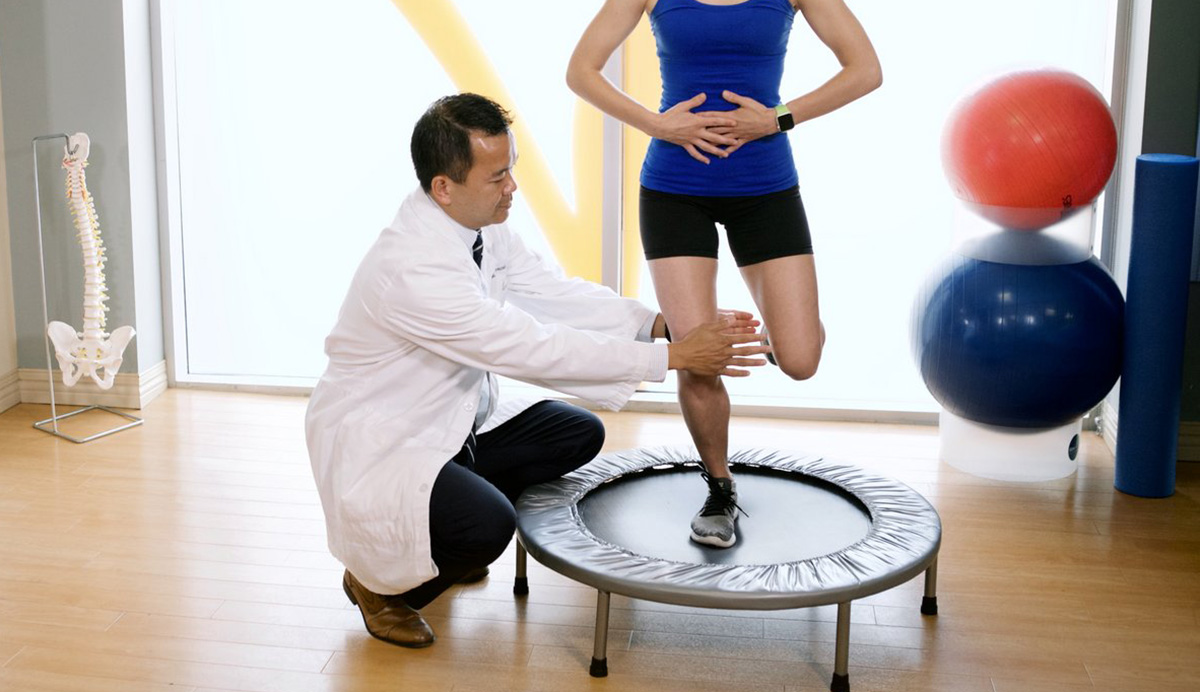
Understanding Your Fall Risk
Everyone’s fall risk is different. No single factor determines your likelihood of a fall; instead, it’s a complex blend of age, lifestyle choices, and health conditions. The more of these factors apply to you, the more likely you are to fall.
Which items on this fall risk list apply to you or a loved one?
- Advanced age (60 years or older)
- Being female (women are more likely to suffer falls than men)
- Joint pain, including from arthritis
- Spells of dizziness or vertigo (a spinning sensation)
- Decline in vision or hearing
- Sedentary lifestyle
- Impaired balance or gait
- Weakness in the lower body
- Use of medications that can cause dizziness or balance issues
- Neurological disorders such as Parkinson’s disease or Alzheimer’s
- Stroke survivor
- A history of falls
If you think you might be at a high risk of falling, don’t get scared–give us a call! Our team of physiotherapists can assess your fall risk and provide you with a customized fall prevention plan that can lower the likelihood of a fall-related injury.

Exercise of the Month
ANKLE ALPHABETS
Start by sitting up straight in a chair. Raise one leg out in front of you. Slowly write the letters of the alphabet with your foot, only moving at your ankle joint.
3 Sets, 10 Reps. (Materials needed: chair)
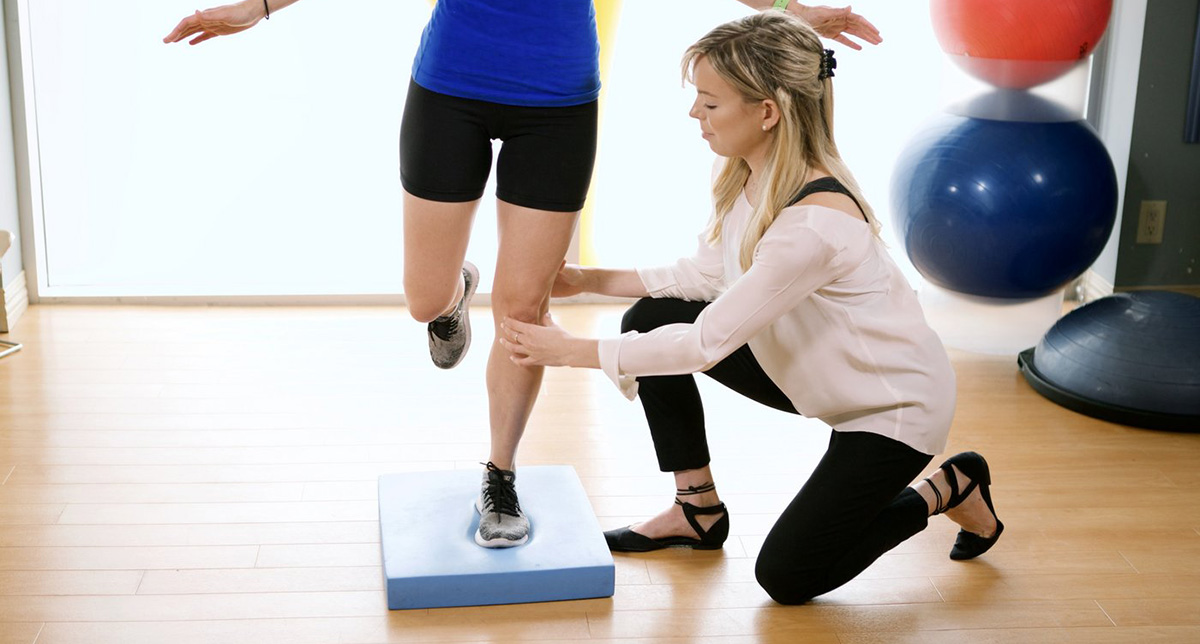
How Physiotherapy Can Keep You On Your Feet
A good fall prevention plan will address your specific fall risks. For example, someone who suffers from regular vertigo attacks would benefit from specialized therapy to address that issue. Meanwhile, someone with Parkinson’s disease doesn’t necessarily need to worry about dizziness but does need to address an impaired posture, balance, and gait.
Our therapists will work with you to decide which specific treatment options will be the right choice for your personal fall prevention plan. That said, there are some commonalities. Here are a few of the techniques we typically include:
Pain Management:
Joint pain can inhibit mobility, resulting in a sedentary lifestyle and increased fall risk. If you suffer from pain, we’ll work with you to manage it safely and effectively.
Balance Training:
Balance training is the foundation of fall prevention. We’ll guide you through specialized exercises that challenge your balance in a safe, monitored environment–ensuring you see improvements over time.
Strength Training:
One of the reasons older people have an increased fall risk is that you lose muscle mass as you age, making it more challenging to move around. We’ll prepare a strength training program appropriate to your ability level and help you restore some of that lost muscle mass.
Gait Training:
This technique focuses on improving your walking patterns. Certain conditions (such as Parkinson’s disease or stroke) can severely change your gait, and addressing those impairments can reduce your chances of falling.
Regular Exercise Program:
Staying active plays a significant role in keeping you from a fall. We’ll suggest an exercise program that suits your needs and abilities, such as a simple walking regimen.
No More Fear of Falling: Call Us Today!
A dedicated fall prevention plan from PhysioPlus Health Group can give you the confidence to age healthfully, no matter your fall risk. Call us today to schedule an appointment for your initial consultation!
Get Strong and Return to Activity Postpartum: Pelvic Floor & Core Support for New Moms

Are you currently pregnant or postpartum?
Are you noticing aches, pressure or discomfort?
Wondering when to resume exercise and other activities postpartum?
Want to feel more prepared for your recovery?
You’re not alone—and you don’t have to figure it out on your own.
Discover how pelvic floor physiotherapy can support you through every stage of pregnancy and postpartum.
Our pelvic health physiotherapists have helped hundreds of women move through pregnancy with less pain, more confidence, and better preparation for postpartum recovery.
In this workshop, we’ll walk you through common body changes postpartum—and more importantly, what you can do about it.
You’ll leave with simple, practical strategies to reduce discomfort, support your pelvic floor, and safely resume activity.
During This Workshop, You’ll Learn…
- Why pelvic pain and leakage can happen during pregnancy and postpartum and what can help
- How to properly connect to your pelvic floor and core
- Safe, effective exercises to support your body
- Suggestions for postpartum recovery
- What to expect from pelvic floor physiotherapy and how it can help you
Are you or is someone you know…
- Pregnant or postpartum
- Dealing with persistent pelvis, back, or hip pain
- Leaking when you sneeze, cough, laugh, or exercise
- Experiencing heaviness or pressure in your pelvis
- Noticing abdominal separation
- Unsure of what exercises are safe to do
- Feeling unprepared or worried about getting back to exercise or running
Every day, We Help People Just Like You Recover Postpartum and Feel Their Best As a New Mom
Register for the WorkshopMeet Your Pelvic Health Physiotherapy Experts

Briana Neang
Registered Physiotherapist

Lauren Kanko
Registered Physiotherapist
Exploring Osteopathy
Discover a Whole-Body Approach to Feeling Better
At PhysioPlus Health Group, we know how difficult it is to deal with pain and stiffness, especially when they interfere with everyday activities. One way we can help is through osteopathy, which offers a hands-on, non-invasive approach focused on improving movement, reducing discomfort, and supporting long-term function.
What is Osteopathy?
Osteopathy focuses on helping your body move more comfortably by improving how your muscles, joints, ligaments, and connective tissues work together. Rather than focusing only on the area that hurts, your osteopath looks for underlying movement restrictions and other factors throughout your body that may be contributing to your symptoms.
We start with a thorough assessment to better understand your symptoms and overall movement patterns. Next, we create a personalized treatment plan that blends several hands-on techniques, including:
- Joint mobilization to improve movement and range of motion.
- Soft tissue techniques to ease muscle tension.
- Craniosacral therapy, which uses a very light touch to address areas of restriction in the head and neck.
- Visceral manipulation, which externally targets restrictions in the tissues surrounding internal organs.
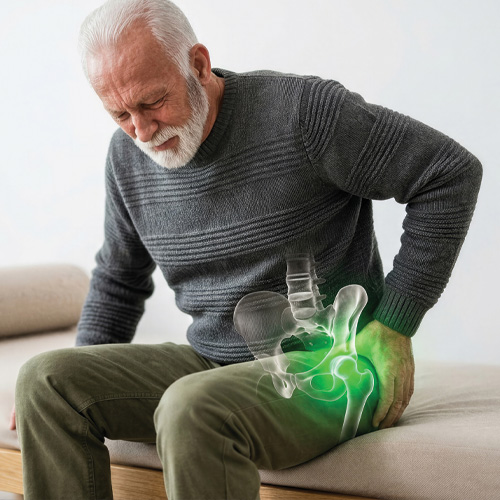
Who Can Benefit From Osteopathy?
Osteopathy may benefit people experiencing:
- Back or neck pain
- Persistent headaches
- Joint discomfort
- Sports injuries
- Arthritis
- Pregnancy-related aches and pains
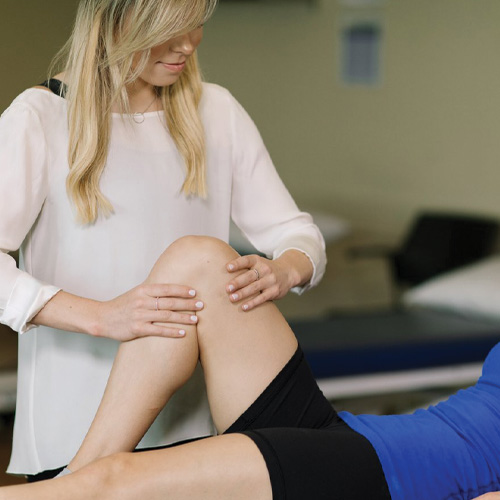
Is It Time for a Tune-Up?
Sometimes your body just needs a little hands-on care to address achy joints, muscular imbalances, and soft-tissue restrictions. By looking at your body as a whole, the team at PhysioPlus Health Group can identify factors that may be contributing to your discomfort and develop a personalized treatment plan to help you move more comfortably and get you back to the things you love.
To find out whether osteopathy might be the right choice for your needs, schedule an appointment with us today.
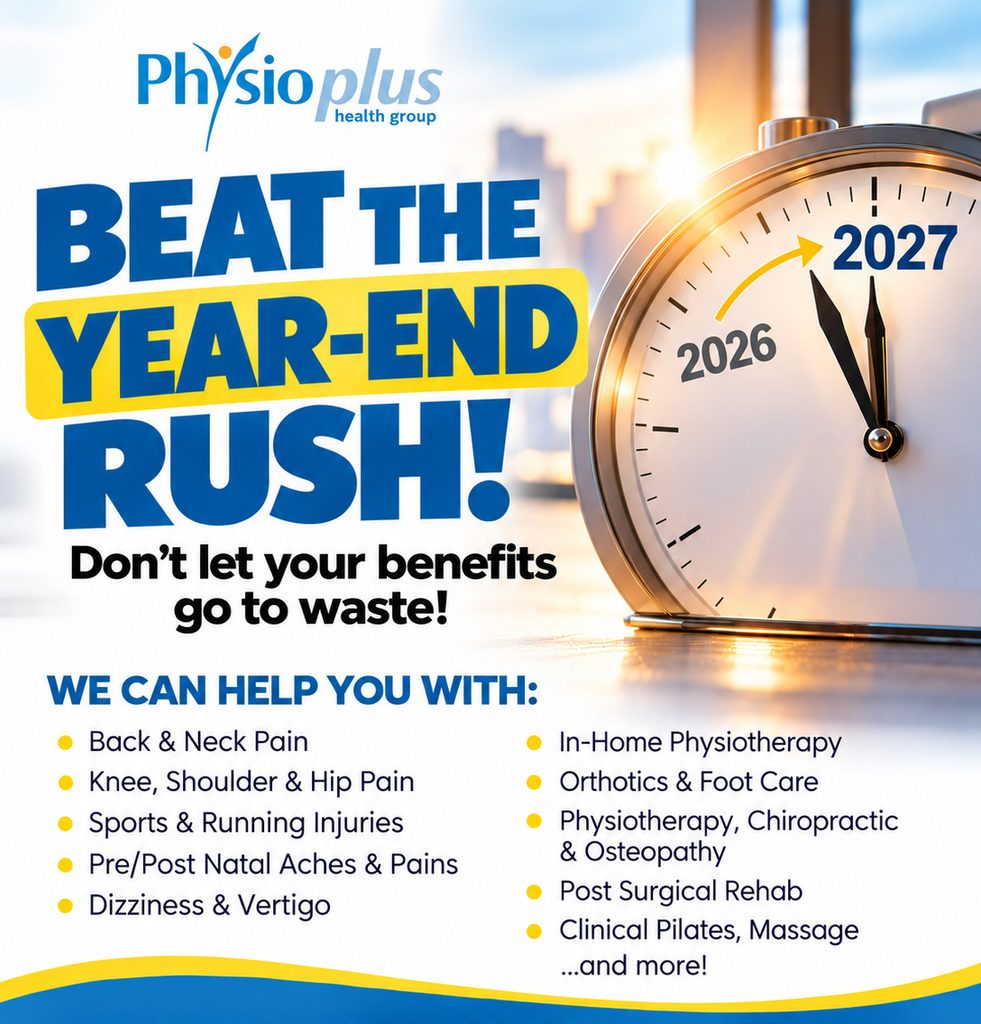
Make the Most of Your Benefits

Creamy Thai Carrot & Sweet Potato Soup
Ingredients
- 1 tbsp coconut oil
- 2 cups chopped yellow/sweet onion
- 2 cloves garlic, minced
- 1 tbsp minced fresh ginger
- 2 tbsp red curry paste
- 4 cups low-sodium vegetable broth, plus more if needed
- ¼ cup raw almond butter or peanut butter
- 3 cups diced peeled carrots
- 3 cups diced peeled sweet potatoes
- ½ tsp fine-grain sea salt
- Freshly ground black pepper
- Up to ¼ tsp cayenne pepper (optional, if you like spice)
Minced fresh cilantro
Fresh lime juice
Directions
- In a large pot, melt coconut oil over medium heat. Add onion, garlic, and ginger and sauté for 5-6 minutes until onion is translucent. Stir in curry paste.
- In a small bowl, whisk together some of the broth with almond butter until smooth. Add mixture to pot, along with carrots, sweet potatoes, salt, and remaining vegetable broth. Stir until combined.
- Bring soup to a low boil over medium-high heat and then reduce heat to medium-low. Cover and simmer for 15-20 minutes, until potatoes and carrots are fork-tender.
- Ladle soup carefully into a blender. You will likely have to do this in a couple of batches, depending on the size of your blender (never fill your blender past the maximum fill line).
- Being careful to avoid hot steam from the lid, blend on low and slowly increase speed until soup is completely smooth. Alternatively, you can use an immersion blender and blend the soup directly in the pot.
- Season with salt and black pepper to taste. For more spice, add ¼ tsp cayenne pepper, and blend again.
- Transfer soup back to pot and reheat if necessary. If desired, you can thin soup out with a bit more broth if it’s too thick for your preference.
- Ladle soup into bowls and top with minced cilantro and a squeeze of lime juice.
🍲 A Bowl Full of Comfort
Creamy sweet potatoes and carrots pair with fragrant ginger, garlic, red curry paste, and fresh lime for a cozy soup with plenty of color and flavor.