


Physiotherapy Can Help You Resolve Unwanted Knee Pain
Knee pain is a common complaint that affects people of all ages, often hindering their ability to perform everyday activities and enjoy a high quality of life. Whether resulting from injury, arthritis, or overuse, knee pain can be debilitating.
Fortunately, physiotherapy at PhysioPlus Health Group offers hope for those seeking relief. This article shares the journey of Alex, a 40-year-old marathon runner, who found relief from persistent knee pain through the expert care of our skilled therapists.
The Onset of Pain
Alex’s passion for running was undeniable. Completing several marathons each year, he was no stranger to the physical demands of long-distance running. Unfortunately, Alex began experiencing sharp pains in his right knee, particularly during and after runs. Initially dismissing it as regular wear and tear, he soon realized the pain was not subsiding but worsening with time.
Seeking Help
After several weeks of persistent pain, Alex knew he needed professional help. His search for a solution led him to PhysioPlus Health Group, known for our team of experienced physiotherapists specializing in sports injuries. From the moment he walked in, Alex felt a sense of hope. The clinic’s approach was about alleviating pain, understanding its root cause, and preventing future issues.
The Physiotherapy Journey Begins
Alex’s journey began with a comprehensive assessment that included a detailed discussion of his running habits, knee pain history, and a physical examination to assess his knee’s strength, flexibility, and alignment.
Our clinic’s expertise in sports injuries came to the forefront with a detailed analysis of Alex’s running gait. His therapist identified several inefficiencies in his running form contributing to his knee pain.
His therapist determined Alex was dealing with patellofemoral pain syndrome (PFPS), a common issue among runners characterized by pain around the kneecap. His therapist explained that Alex’s pain was likely due to a combination of overuse, improper running technique, and muscular imbalances.
Exercise of the Month
Calf Raises
Stand tall with your feet hip-width apart and your hands resting on a chair or countertop for support. Slowly rise up onto the balls of your feet, lifting your heels off the ground. Hold briefly at the top, then lower back down with control. 3 Sets, 10 Reps. (Materials needed: chair or countertop for balance)
Tailored Treatment Plan
Understanding the specifics of Alex’s condition, the therapist devised a personalized treatment plan. The multifaceted plan addressed Alex’s knee pain symptoms and underlying causes.
Manual Therapy
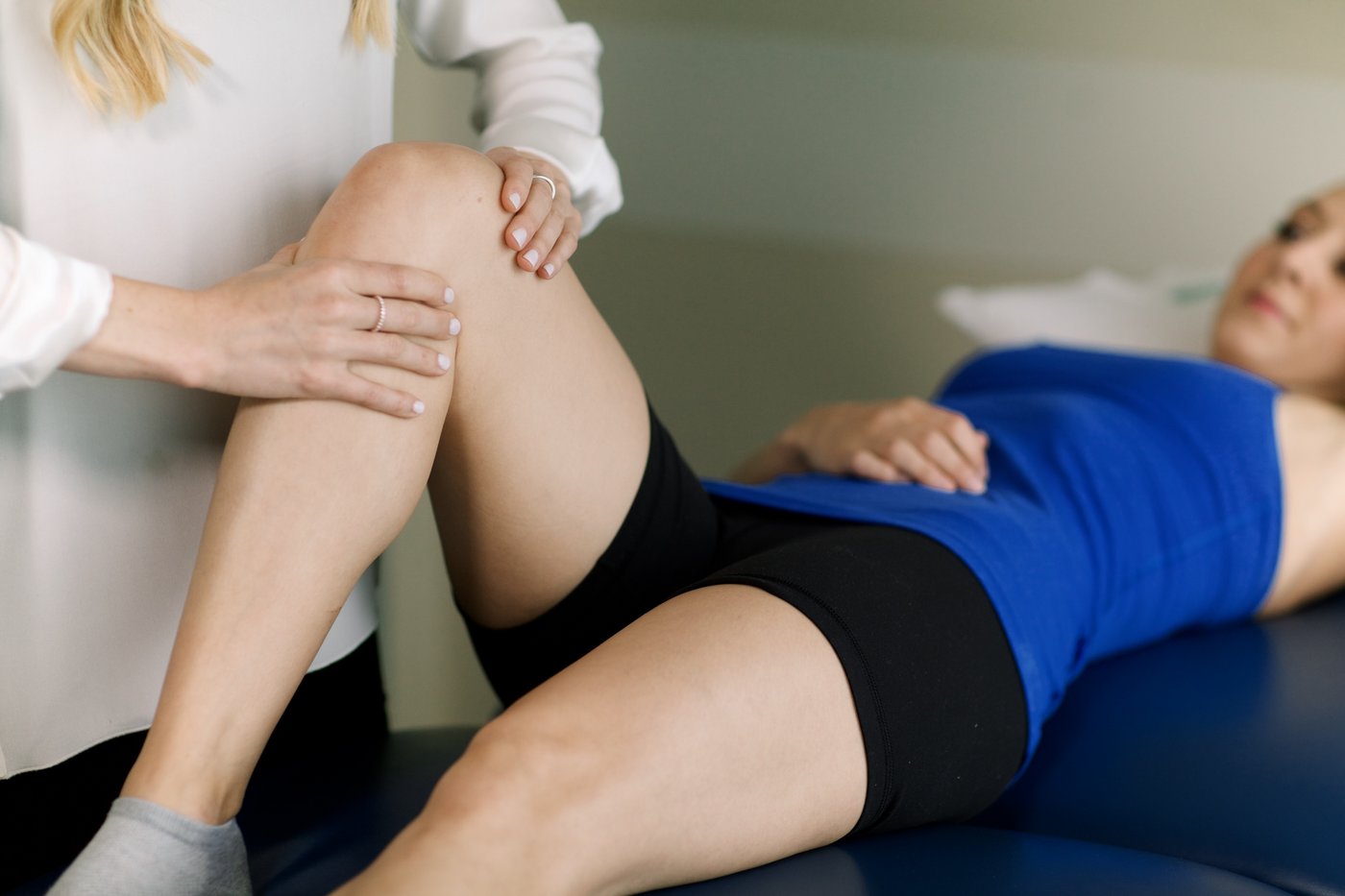
Alex’s treatment started with manual therapy. His therapists used hands-on techniques to free up restrictions and tension in the soft tissues around his knee. This approach helped reduce Alex’s pain and increase his range of motion, setting a solid foundation for further therapeutic interventions.
Strengthening Exercises
Recognizing the importance of muscular support for knee stability, Alex was guided through a series of strengthening exercises focused on building up the muscles around his knee, particularly the quadriceps and hamstrings. These exercises were designed to absorb shock more effectively, reduce the burden on his knee during runs, and prevent future injuries.
Motor Control Exercises
To address any dysfunctional movement patterns contributing to Alex’s knee pain, the therapists introduced motor control exercises. These exercises aimed to correct his movement patterns, ensuring that he adopted more efficient movement strategies during running and daily activities, thereby reducing strain on his knee.
Education and Preventive Strategies
Beyond immediate treatment, education played a vital role in Alex’s therapy. He learned the importance of proper footwear, adequate warm-up and cool-down routines, and strategies to gradually increase running distances without overloading the knees.
The Road to Recovery
Alex’s dedication to physiotherapy paid off as he noticed a significant reduction in knee pain, improved running efficiency, and a newfound awareness of protecting his knees from injury. The holistic approach at PhysioPlus Health Group addressed Alex’s pain and equipped him with the knowledge and tools to maintain knee health in the long run.
But Alex’s journey was about more than just overcoming knee pain. It was a transformative experience that reshaped his relationship with running. He emerged from physiotherapy as a runner and an informed athlete, mindful of his body’s signals and the importance of balance in training.
Conclusion: A Testament to the Power of Physiotherapy
Alex’s story is a testament to the effectiveness of physiotherapy in resolving unwanted knee pain. At PhysioPlus Health Group, the combination of expert assessment, personalized treatment, and a commitment to patient education proved to be a winning strategy.
Alex’s journey offers hope and inspiration for anyone struggling with knee pain. If you’re dealing with knee pain, call our team and schedule a consultation today!
Sources: https://www.ncbi.nlm.nih.gov/pmc/articles/PMC7661565/, https://pubmed.ncbi.nlm.nih.gov/32161824/, https://www.ncbi.nlm.nih.gov/pmc/articles/PMC6829001/

Debunking the Myth That Running Causes Osteoarthritis
Osteoarthritis (OA) is a degenerative joint disease characterized by the breakdown of cartilage in the joints, leading to pain, stiffness, and impaired mobility. While there is a common misconception that running contributes to the development of OA, numerous studies have shown this to be a myth.
Running has various health benefits, including improved cardiovascular fitness and weight management, which support joint health. In addition, movement, including running, helps keep the cartilage in the knee healthy.
Research has highlighted other factors that are contributors to the development of knee OA:
- Age: Aging is the most significant risk factor for OA. As individuals age, the cartilage in their joints naturally undergoes wear and tear, making them more susceptible to degeneration.
- Genetics: Genetic factors play a crucial role in determining an individual’s susceptibility to OA. Certain genetic variations have been associated with an increased risk of developing OA in various joints, including the knee.
- Previous joint injuries: Previous knee injuries, such as ligament or meniscus tears, can predispose individuals to OA later in life. The trauma from these injuries can accelerate the degenerative process in the affected joint.
- Obesity: Excess body weight places additional stress on the knee joints, leading to accelerated cartilage breakdown and an increased risk of developing OA. Maintaining a healthy weight through regular exercise and a balanced diet can help reduce the risk of OA.
- Joint misalignment or instability: Abnormalities in joint structure or function, such as malalignment or instability, can lead to uneven distribution of forces within the knee joint, contributing to cartilage degeneration and OA development.
The bottom line is that running does not cause knee OA. At PhysioPlus Health Group, our therapists understand the risk factors associated with knee arthritis and will provide programs to preserve your joint health and reduce the burden of OA so you can keep running!
Sources: https://www.ncbi.nlm.nih.gov/pmc/articles/PMC9983113/, https://pubmed.ncbi.nlm.nih.gov/27519678/
Professional Physiotherapy Care in the Comfort of Your Home
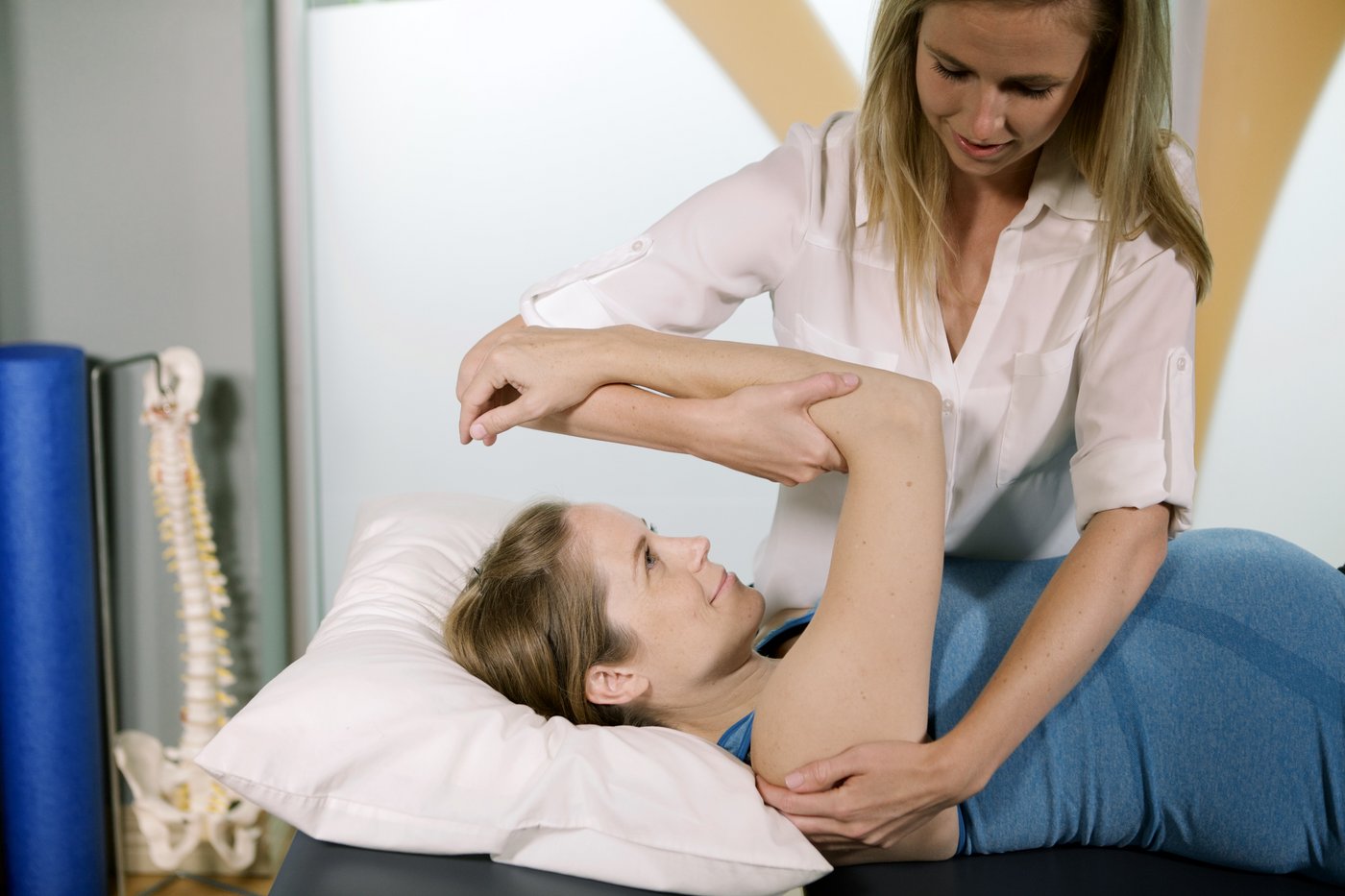
If getting to the clinic is difficult, PhysioPlus Health Group brings expert care directly to you with convenient In-Home Physiotherapy services. Our Registered Physiotherapists and Physio-Pilates Instructors provide personalized treatment in the comfort and privacy of your own home, helping patients recover from surgery, manage chronic pain, improve balance, prevent falls, and regain strength and mobility.
In-home care is ideal for individuals recovering from procedures like knee or hip replacements, those dealing with neurological conditions such as stroke or Parkinson’s disease, or seniors experiencing weakness or balance concerns. With flexible scheduling, reduced travel, and one-on-one attention, our team makes it easier than ever to access high-quality rehabilitation and wellness services when you need them most.
Get Game-Ready for the Upcoming Fall Sports Season
As summer winds down, athletes and weekend warriors look forward to the start of the fall sports season. Whatever sport you are getting ready for, preparing your body is essential.
Start the season injury-free and in peak form with these tips:
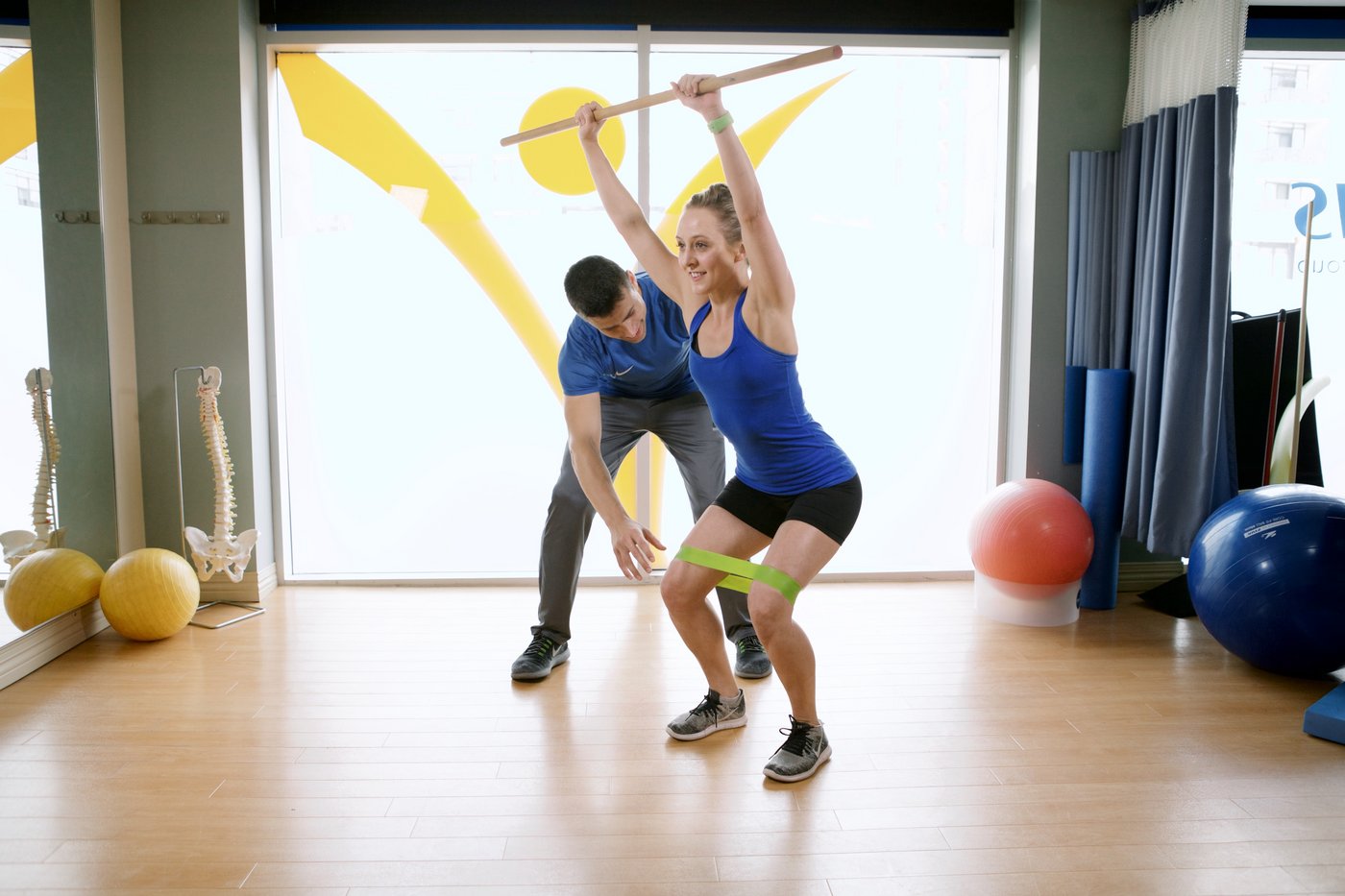
- Sports Screening: Consider getting a biomechanical assessment to provide insights into your posture, gait, and body mechanics, helping you tweak your training for better performance and lower injury risk.
- Sport-Specific Conditioning: Prepare your body for the unique demands of your chosen sport. Different sports use different muscle groups, so tailor your workouts accordingly.
- Prioritize Recovery: Getting proper rest (sleep) is a critical but often overlooked aspect of physical training. Incorporating foam rolling can help muscles recover and prevent overuse injuries. Investing time and effort in your recovery can significantly impact your performance on the field.
By integrating these tips, you’ll be well-equipped to tackle the challenges of the fall sports season while minimizing your risk of injury.
Here’s to a successful and injury-free sports season!
Simple Exercises to Help Relieve Knee Pain
Knee pain can make even the simplest daily activities, like walking, climbing stairs, or getting up from a chair, feel challenging. The good news is that the right exercises can help reduce pain, improve mobility, and build strength to better support your joints.
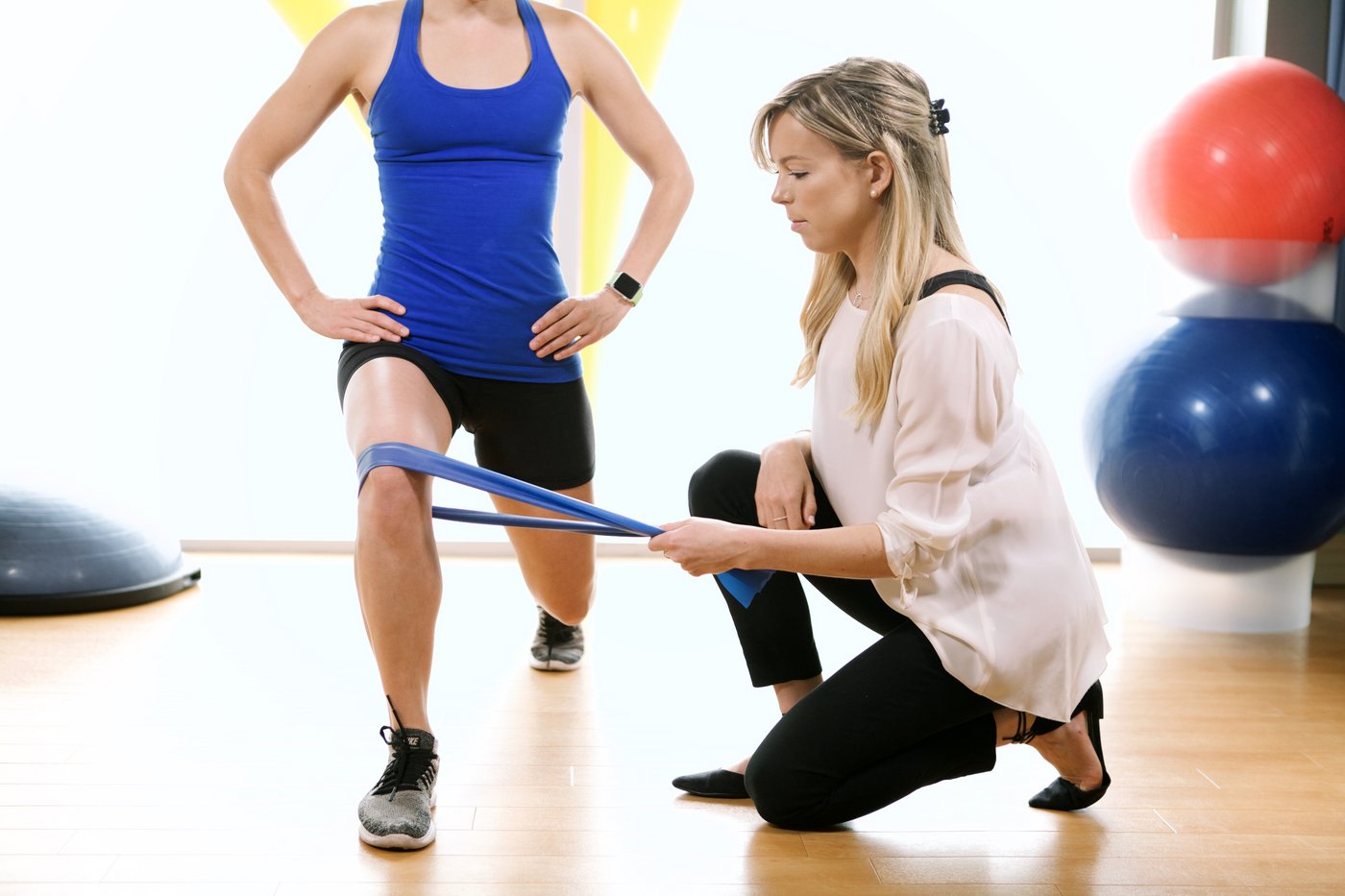
A key focus in physiotherapy is strengthening the muscles around the knee, especially the quadriceps, hamstrings, and glutes. Simple exercises like straight leg raises, sit-to-stands, and mini squats can help build stability and reduce strain on the knee joint. Low-impact movements such as cycling or gentle stretching can also improve flexibility and keep the joint moving comfortably.
Consistency is important, but so is proper technique. Doing the right exercises incorrectly can sometimes make symptoms worse, which is why guided programs can be especially beneficial.
At PhysioPlus Health Group, we offer the GLA:D Canada Program, an evidence-based program designed specifically for individuals experiencing hip and knee pain related to osteoarthritis. This structured program combines education with supervised exercise sessions to help you better understand your condition, improve strength and movement, and reduce pain in a safe, supportive environment. Many patients find that participating in GLA:D not only improves their day-to-day function but can also help delay or prevent the need for more invasive treatments like surgery.
If knee pain is slowing you down, you don’t have to manage it alone. With the right exercises and expert guidance, it’s possible to move more comfortably and get back to doing the things you enjoy.
Custom Knee Bracing for Arthritis: Support That Moves With You
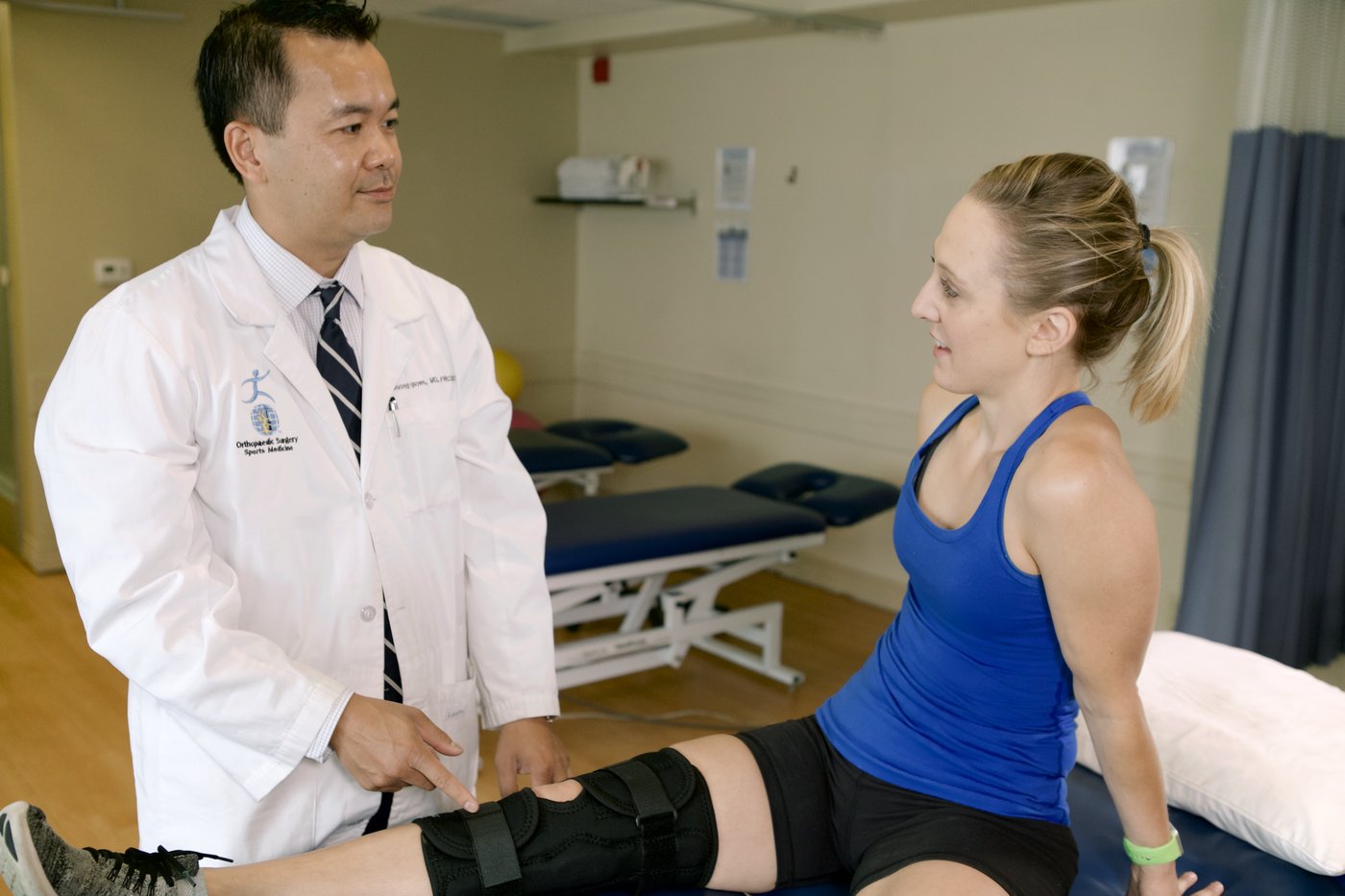
Knee arthritis can make everyday movements, like walking, standing, or staying active, painful and frustrating. If you’re looking for a non-invasive way to manage your symptoms, a custom knee brace may be an effective solution.
At PhysioPlus Health Group, we offer custom-fitted knee unloader braces designed specifically for individuals with knee arthritis. These braces work by gently shifting pressure away from the affected part of your knee, helping to reduce the “bone-on-bone” discomfort that often comes with osteoarthritis. The result? Less pain, improved movement, and greater confidence in your day-to-day activities.
Custom bracing isn’t one-size-fits-all. Our team takes the time to assess your condition, movement patterns, and lifestyle to ensure the brace fits properly and provides the right level of support. Many patients find that using an unloader brace helps them stay active, reduce their reliance on pain medication, and even delay or avoid surgical intervention.
If knee arthritis is limiting your mobility, our team is here to help you find the right support, so you can keep moving with confidence.
HOW DOES OSTEOPATHY WORK?
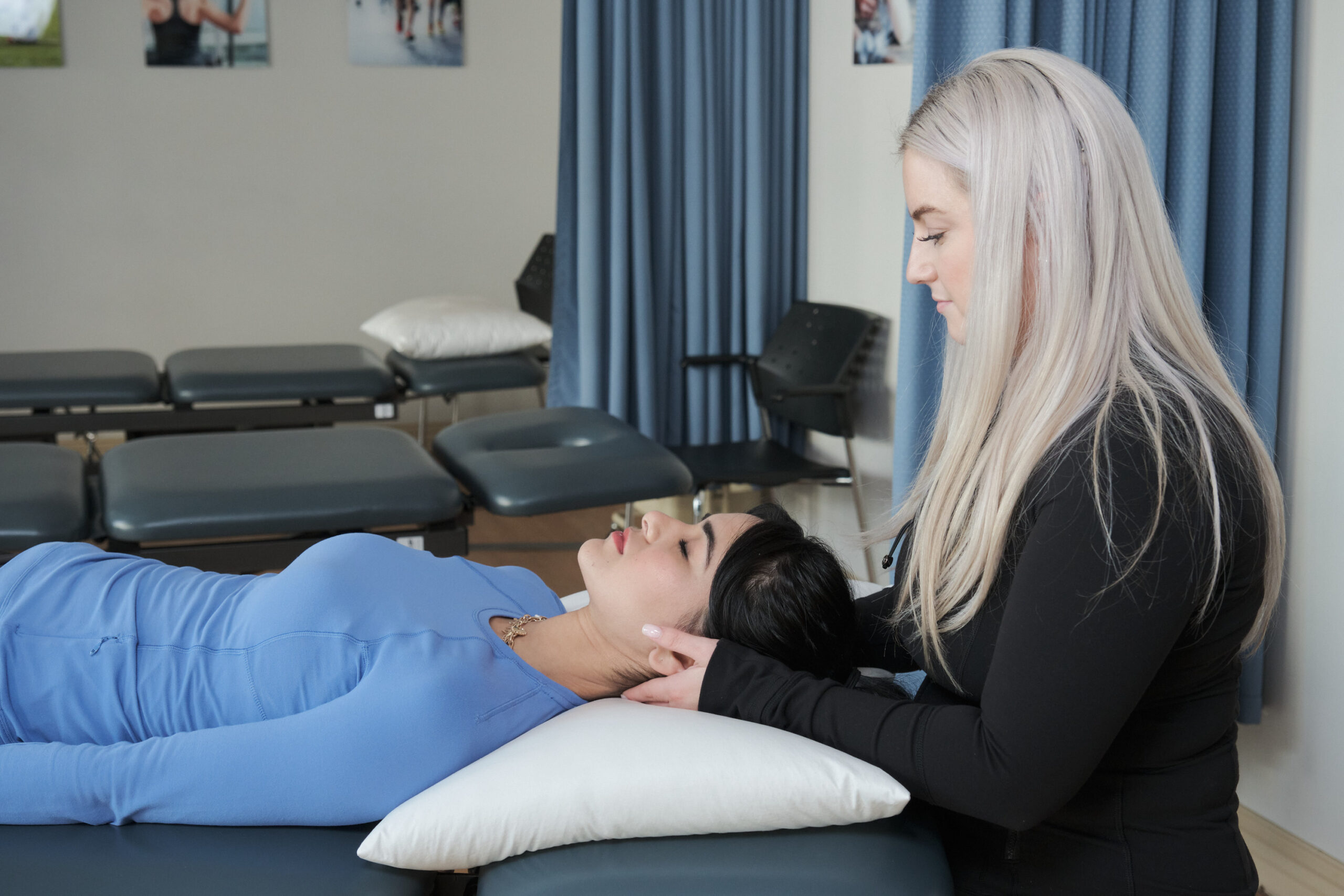
Osteopathy is a hands-on form of healthcare that uses gentle manual techniques to help restore the body’s natural movement and function.
Think of your body as a system where your bones, muscles, joints, ligaments, and connective tissues all work together. When one area becomes stiff, tight, or restricted, it can affect how the rest of your body moves and feels.
An osteopath uses gentle techniques such as stretching, joint mobilization, and soft tissue therapy to help release muscle tension, improve joint mobility, and restore balance throughout the body. These treatments can help improve circulation, reduce pain, increase flexibility, and support your body’s natural ability to heal.
Rather than simply treating the area where you feel pain, osteopathy looks at how your whole body functions to identify and address the underlying cause of discomfort
IS OSTEOPATHY SAFE?
YES. Osteopathy is generally considered a safe and gentle treatment option for people of all ages when provided by a qualified practitioner.
Osteopaths are trained to assess how your muscles, joints, bones, and connective tissues work together. Before beginning treatment, they take the time to understand your medical history, current symptoms, and overall health to ensure your care is appropriate and personalized.
Treatment techniques are tailored to your individual needs and comfort level. Most people find osteopathic treatment relaxing, and many experience improved mobility, reduced pain, and a greater sense of well-being after their sessions.
As with any healthcare treatment, it’s important to let your osteopath know about any existing medical conditions or concerns. If you’re unsure whether osteopathy is right for you, speak with your healthcare provider or contact our clinic—we’re happy to answer your questions.
Your health is a team effort, and we’re here to help you move better, feel better, and live better.
SUPPORT YOUR PREGNANCY JOURNEY WITH PELVIC FLOOR PHYSIOTHERAPY
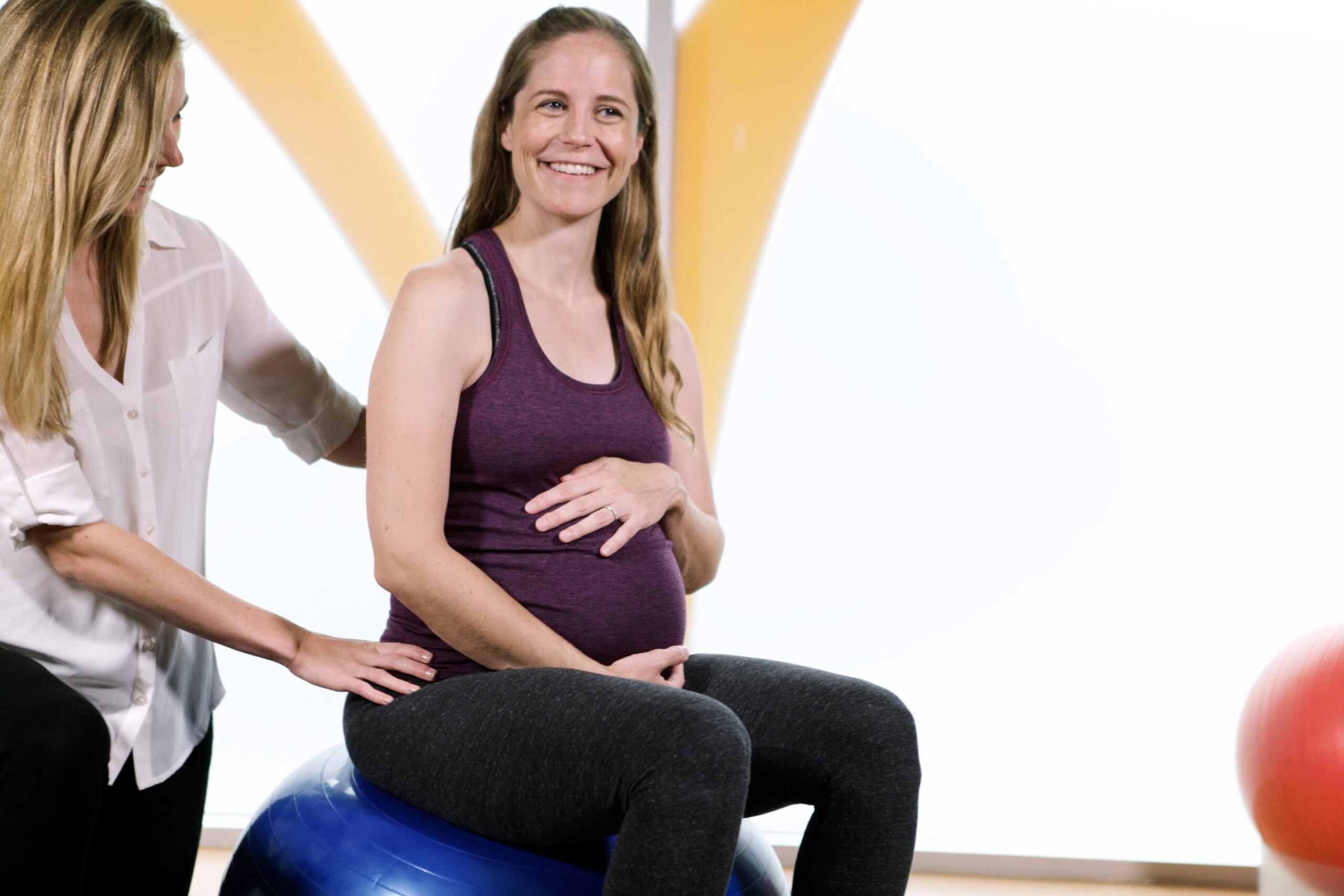
Pregnancy brings incredible changes to your body, and while many of these changes are expected, pain, bladder leakage, and pelvic discomfort don’t have to be part of the journey.
Pelvic Floor Physiotherapy can help you feel stronger, move more comfortably, and prepare your body for pregnancy, labour, and postpartum recovery.
Before Pregnancy
Starting early can help prepare your body for the demands of pregnancy by:
- Strengthening your pelvic floor and core
- Improving overall fitness and mobility
- Addressing pelvic pain or discomfort before pregnancy
- Supporting healthy movement and exercise
During Pregnancy
As your body changes, Pelvic Floor Physiotherapy can help:
- Relieve back, hip, and pelvic pain
- Improve posture and movement
- Reduce bladder leakage
- Prepare your pelvic floor and body for labour and delivery
After Pregnancy
Recovery is just as important as preparation. Treatment can help:
- Restore core strength and address abdominal separation (diastasis recti)
- Improve bladder control
- Reduce pelvic pain and discomfort
- Safely return to exercise and daily activities with confidence
Many pregnancy and postpartum symptoms are common, but that doesn’t mean they’re something you have to accept. With the right guidance, many of these issues can be effectively treated, helping you feel your best during every stage of your motherhood journey.
Book your Pelvic Floor Physiotherapy assessment today and let our experienced team support you every step of the way.

Celebrate World Senior Citizens Day with Us!
This August, we’re celebrating World Senior Citizens Day by helping older adults stay active, independent, and moving with confidence.
For the month of August, seniors will enjoy 15% OFF your initial physiotherapy assessment to help if you are:
- Having difficulty walking or getting around
- Feeling unsteady or worried about falls
- Finding everyday activities more challenging
- Wanting to improve strength, balance, and mobility
- Looking to stay active and independent
- Wanting to support healthy aging and maintain an active lifestyle
Our experienced physiotherapists can help improve mobility, balance, strength, and overall function so you can continue doing the things you enjoy.
Offer valid until August 31 only.
To redeem this offer, simply mention “Senior Citizens Day” when booking your appointment.
Call us at 416-760-8280 to book your appointment today and take the first step toward moving with confidence.
We look forward to helping you or your loved one stay active and healthy.

Chicken Pasta Primavera
This Chicken Pasta Primavera recipe comes together in just 30 minutes and is packed with tender chicken, fresh veggies, and a delicious cream sauce.
Ingredients:
- 2 boneless, skinless chicken breasts
- 1 tsp dried oregano, divided
- 1 tsp salt, divided
- ½ tsp garlic powder
- ½ tsp freshly cracked black pepper, divided
- 2 Tbsp olive oil
- 8 oz. dry pasta
- 2 Tbsp butter
- 2 cloves of garlic, minced
- 1 cup grape tomatoes, halved
- 1 zucchini, sliced and halved
- ½ cup chicken broth
- ½ cup grated parmesan cheese
- 1 cup heavy cream
- ½ cup frozen peas
Instructions:
- Place both chicken breasts on a cutting board, cover them with plastic wrap or parchment paper, then use a rolling pin or the flat side of a meat tenderizer to gently pound the thicker side of the chicken breast until the entire breast is an even thickness from one end to the other (about 1/2 inch thick).
- Mix the seasoning together in a small bowl (½ tsp oregano, ½ tsp salt, ½ tsp garlic powder, and ¼ tsp black pepper). Season the chicken breasts on both sides with the seasoning.
- Heat a large deep skillet over medium heat and add the olive oil. Once the skillet is hot, cook the chicken breasts on both sides until cooked through and the internal temperature is 165°F.
- While the chicken is cooking, prepare the pasta. Bring a large pot of salted water to a boil. Cook the pasta according to the package instructions. Drain the pasta in a colander and set it to the side.
- Once the chicken is cooked, remove the chicken to a separate plate and cover with foil to keep warm. In the same skillet add the butter and minced garlic. Sauté the garlic for about 30 seconds. Now add the sliced tomatoes and zucchini. Sauté the veggies for 2 minutes.
- Next add in the rest of the seasoning (½ tsp oregano, ½ tsp salt, ¼ tsp black pepper). Then pour in the chicken broth. Stir everything together and cook for 1-2 minutes.
- Now add in the parmesan cheese and heavy cream. Stir together to combine. Then add in the frozen peas and cooked pasta. Stir everything together and continue to cook for 1-2 more minutes, then turn the heat off.
- Slice the cooked chicken breasts on a cutting board and serve on top of the pasta primavera. Garnish with more parmesan cheese and fresh parsley (optional). Enjoy!