
Do you have Sciatica? 6 signs and symptoms to look out for!


Sciatica is a common problem that can affect us all. It’s caused by compression of the sciatic nerve that goes down the back of the leg and all the way into the feet.
Because of its size, it can cause A LOT of pain through the whole leg and can get in the way of doing the things you love.

Did you know that sciatica isn’t actually a diagnosis? Sciatica is just a term that indicates finding or symptom, and is no different from saying you have neck pain, or ankle pain. Essentially it just means that you have radiating pain running down from your lower back into your leg caused by irritation or compression of the sciatic nerve.
The sciatic nerve is made up from 5 smaller nerve roots that stem from the low back. These nerves that come together to form the sciatic nerve are the L4, L5, S1 and S2 nerve roots. Irritation of the sciatic nerve can be managed by manual therapy, and specific exercise, and stretching. Whatever the cause might be, PhysioPlus Health Group can help in finding sciatica pain relief.
Here are 6 signs and symptoms of sciatica that can help you figure out if you may have sciatic nerve pain.
1. Pain
Because sciatica involves compression or irritation of a nerve, it produces sharp pain down your leg along the course of the nerve.

This pain usually feels different from other dull or achy pain that you might feel if you have a muscle strain or soreness localized to that specific muscle.
Sciatica radiates into the leg, sometimes all the way down your leg to the foot. It can feel like a shooting pain and sometimes also described as a burning pain, even though you are not next to anything hot!
You can also feel low back pain…but it is usually less severe than the pain down your leg. Read here about low back pain caused by herniated discs and how it may cause neurological sciatic symptoms.
View this post on Instagram
2. Numbness or Tingling
Along with pain, you may find changes in your sensation. This can be in the form of numbness (loss or reduced sensation), or tingling (that “pins and needles” sensation).
Your area of numbness may follow a specific pattern unique to one of the 5 nerves that is irritated.
Three of the common pain patterns of sciatica are the L4, L5 and S1 nerve roots. Here are the pain and numbness locations associated with specific nerve levels:
L4: outside of the thigh and inside of the lower leg
L5: buttock down the leg to the outside of the ankle and top of the foot and toes.
S1: buttock to the back of the thigh, into the calf and outside of the foot.
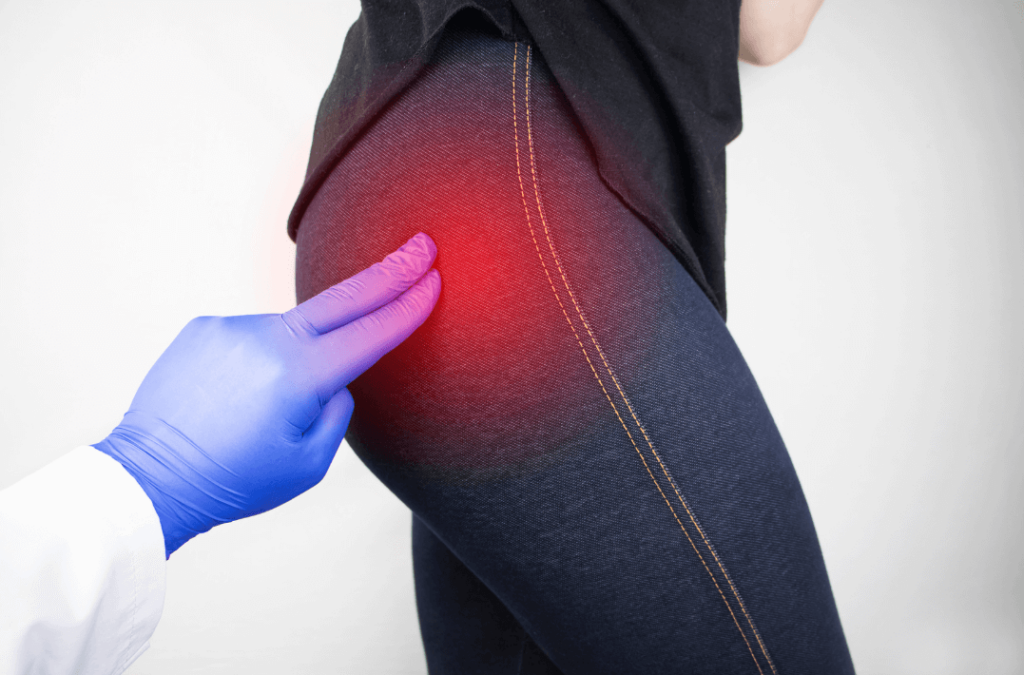
Your chiropractor or physiotherapist can help diagnose the cause of your sciatica and tell you which level may be affected.
3. Weakness
Your muscles can be affected by sciatica too. If you’ve noticed any difficulty lifting your foot off the floor, this may be caused by sciatica. This is because the sciatic nerve also carries the motor signals from your brain to your legs through the sciatic nerve.
Weakness in specific muscles can de
If you’ve trouble walking or feel more fatigued with movement, it is a good idea to see your chiropractor or physiotherapist for a comprehensive assessment before it gets any worse.
4. Posture related symptoms
Sciatica symptoms may flare up when you are in different positions, such as sitting, standing, bending forward, or even coughing and sneezing! This is usually the case when the sciatica is caused by a herniated or damaged disc in the spine.
Some positions put stress on the disc and can make the symptoms worse. Likewise, coughing or sneezing can increase the pressure in the body and aggravate the disc more.
Your chiropractor and physiotherapist are well trained in distinguishing what positions make your pain worse and can offer you strategies for immediate relief!
5. One-sided Pain
Although we have two sciatic nerves (one for each leg), sciatica is commonly only experienced on one side. Some people will get sciatica on the right side, and some on the left…there isn’t a bias with sciatica. It really just comes down to what the underlying problem is that’s causing the pain.
One of the causes of sciatica is arthritis (or “degeneration”) of the spine and discs, however, it is hard to determine what side of the body will experience symptoms.
Alternatively, if your sciatic pain is caused by tight muscles compressing the nerve, then the pain will always be experienced on the same side.
For example, one cause of sciatica is from a condition called piriformis syndrome. The piriformis is a muscle in the buttocks that helps with the rotation of the hips. The sciatic nerve can run below, above or through this muscle, and it can sometimes become irritated here to cause sciatica.
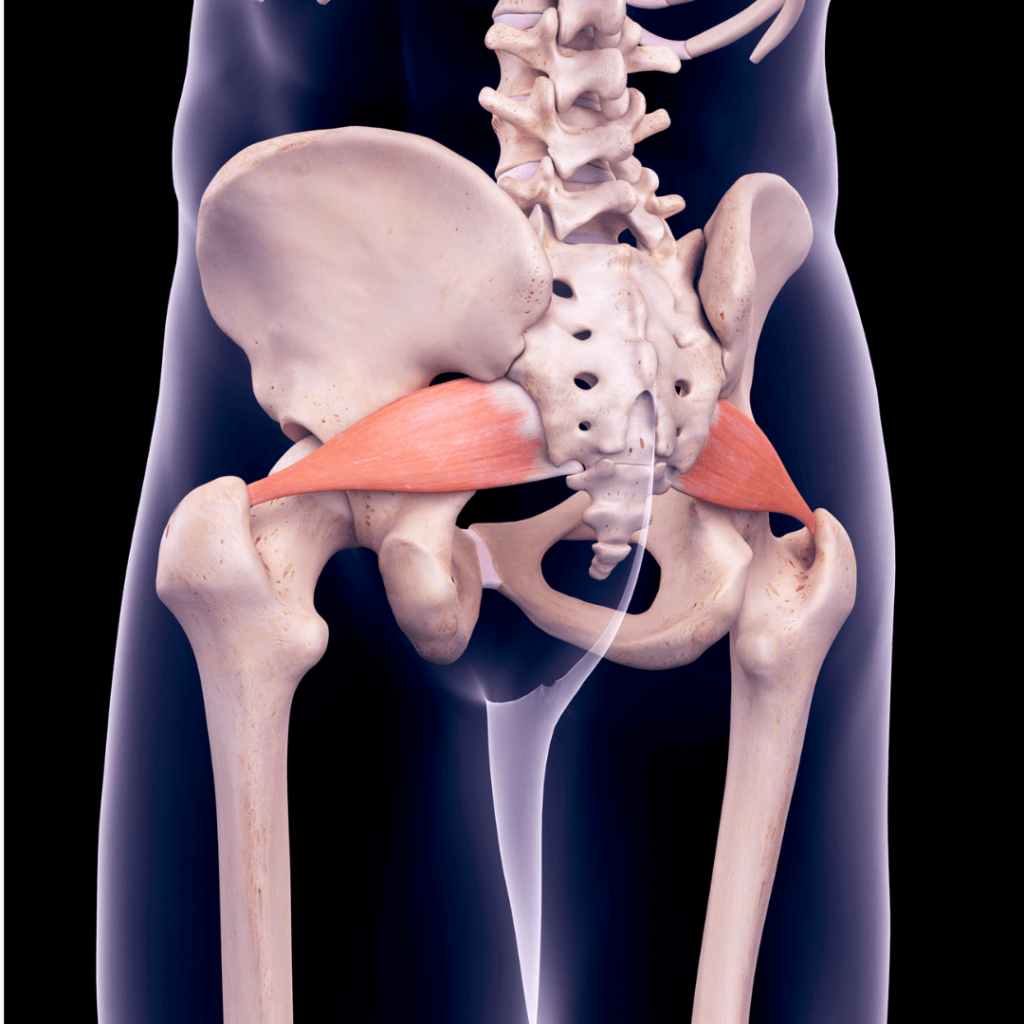
If the piriformis is tight, it can cause compression of the sciatic nerve and cause pain down the leg. If this is the cause of your sciatica, then the side of the tight piriformis will always correspond with the side you experience symptoms.
For example, if you have a tight left piriformis muscle, then pain and numbness will be experienced on the left side. This is because the piriformis directly compresses the sciatic nerve as it exits the buttocks and irritates the nerve!
6. Reflexes
You don’t know it, but you’re probably already familiar with the L4 reflex. It is the reflex that is tested at the doctor’s office when they strike the front of your knee with a small hammer. Reflexes are important because they tell us about the transmission of nerve signals. They are the body’s involuntary response to certain actions done to the body.
If the sciatic nerve is irritated, then the body may not be able to elicit the involuntary response as normal. Having a reduced or absent reflex in the legs may be a sign of your sciatica, and you should see your healthcare practitioner for an assessment.
So, you think you have Sciatica but you’re not sure what to do next?
Now you understand some of the signs and symptoms of sciatica, if you think you may be experiencing it, you can book an appointment with your chiropractor or physiotherapist for a comprehensive evaluation.
There are many possible reasons that can explain your symptoms. The most important thing is to accurately identify the correct cause of your sciatica so that you can treat it properly.
The good news is that our team, at Physio Plus Health Group, are well trained and equipped to help you.
There are stretches, exercises and hands-on techniques that can help treat the root of the cause of your pain.
Take the guessing out of your sciatica and get a treatment plan that will give you immediate relief for your sciatica!
This blog was written by Angeline Foote, a Physiotherapy student at University of Toronto.
FAQ
Does sciatica come and go?
The presentation of sciatica varies. It may come and go, or you may experience constant pain. As discussed before, sciatic symptoms can be aggravated by posture, so prolonged standing or sitting may irritate the nerve. It is important to address the underlying cause of the sciatica so that you can know the positions and activities that can make your pain worse.
Does sciatica go away on its own?
Sciatica is usually self-limiting, meaning that it will go away on its own. Unfortunately, it doesn’t mean that you will not experience sciatica again if the underlying problem isn’t addressed the first-time round.
Is sciatica dangerous?
Although you can recover from sciatica on your own, some causes may be serious and can cause permanent nerve damage.
Associated symptoms to look out for include:
- Progressive leg weakness
- Bowel/bladder dysfunction
- Sexual dysfunction
If you experience any of these symptoms, you should seek medical attention immediately.
If your sciatica is the cause of a serious medical condition, such as an infection, tumor, or cauda equina syndrome, emergency medical intervention is required. Your chiropractor or physiotherapist will assess you for these more serious underlying causes.