
6 Types of Injuries Treated by Physiotherapy


Do you often ask yourself what service you need to help you with an injury? Physiotherapy, medication, massage, acupuncture, rest…. the list goes on! And you’re not alone – many people have the same question!
Recently, a patient came into PhysioPlus complaining of chronic knee pain since the beginning of the pandemic. The home workouts she was doing were irritating her knee. She waited to see if the pain would just go away on its own. But after several months, she did some research and finally decided to come into the clinic to see a physiotherapist.
The physiotherapist provided her with:
- Education on her condition
- Manual therapy treatment
- Acupuncture
- A customized home exercise program
After a few weeks of physiotherapy treatment and following her customized home treatment plan, the pain finally went away!
Physiotherapy can treat a large number of injuries. In this article, we will cover 6 of the most common injuries a physiotherapist can help you with.
Types of Injuries Treated by Physiotherapy
1. Ankle Sprains
Ligaments are strong bands of fibrous connective tissue that connect bones together. An ankle sprain occurs when a ligament has been stretched, damaged, or ruptured. The most common mechanisms of ligament sprains include:
- Twisting
- Tripping
- Contacted by a strong force
Ankle and wrist sprains are common examples and usually happen after a slip, fall, or during a contact sport.
Lateral ankle ligament injuries typically occur when you “roll your ankle.” The bottom of your foot rolls in and the outside of your foot touches the ground. This injury is also common during activities or sports that require changes in direction, running on uneven surfaces, or jumping. Pain is typically experienced on the outside of your foot. You do not need to hear a snap, or pop to have damaged your ligament.
Another common ankle injury is a high ankle sprain. This injury is common with many foot motions but typically occurs when your foot is forced into excessive flexion in an upward direction. If you are experiencing pain above your ankle and have difficulty standing on the affected foot, this may be an indication of a high ankle sprain.
Prevention:
- Maintain an active lifestyle
- Ensure a proper warm-up before you engage in any physical activity
- Strengthening exercises to keep your muscles strong
2. Sciatica
Sciatica is the presence of pain in your lower extremities like your thigh, leg, and buttock. Your lower body is supplied by a large nerve known as the sciatic nerve, which is formed from a bunch of smaller nerves leaving the spinal cord.
Once the small nerves unite, the sciatic nerve moves through the buttock, thighs, and leg to supply this region. It can get pressed against any underlying structures like bones or joints along its course through your lower body, which causes the pain in Sciatica.
Prevention
- Ergonomic desk set-up
- Reduce or stop cigarette smoking, which promotes disc degeneration
- Practice proper lifting techniques
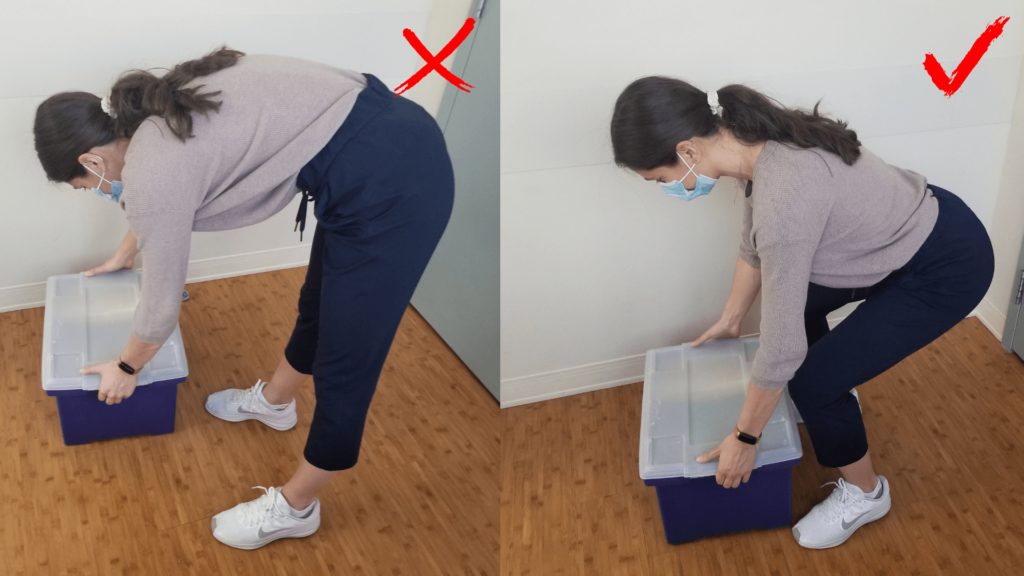
Want to learn more about Sciatica? Check out our blog Understanding Sciatica and How to Calm an Angry Sciatic Nerve!
3. Knee Pain
Knee pain is a common complaint that affects people of all ages. Sports that involve regular jumping, cutting, or increased load may irritate the muscles and structures around the knee.
Knee pain is often associated with general wear and tear from daily activities. It may also be the result of an injury, such as a ruptured ligament or torn cartilage. Some medical conditions such as arthritis and gout can also cause knee pain.
Running is a great form of physical activity, but it is also a common cause of knee pain. Maintaining proper running mechanics is essential and ensuring the muscles around your knee are strong to alleviate the load on this area. If running is a source of your knee pain, a physiotherapist can help you identify factors that may be a contributor to your pain and get you back to running pain-free!
Prevention
- Maintain a healthy diet
- Wear supportive, stable, well-fitted shoes – Pick the right shoe for you!
- Limit excessive exercises that contribute to your knee pain
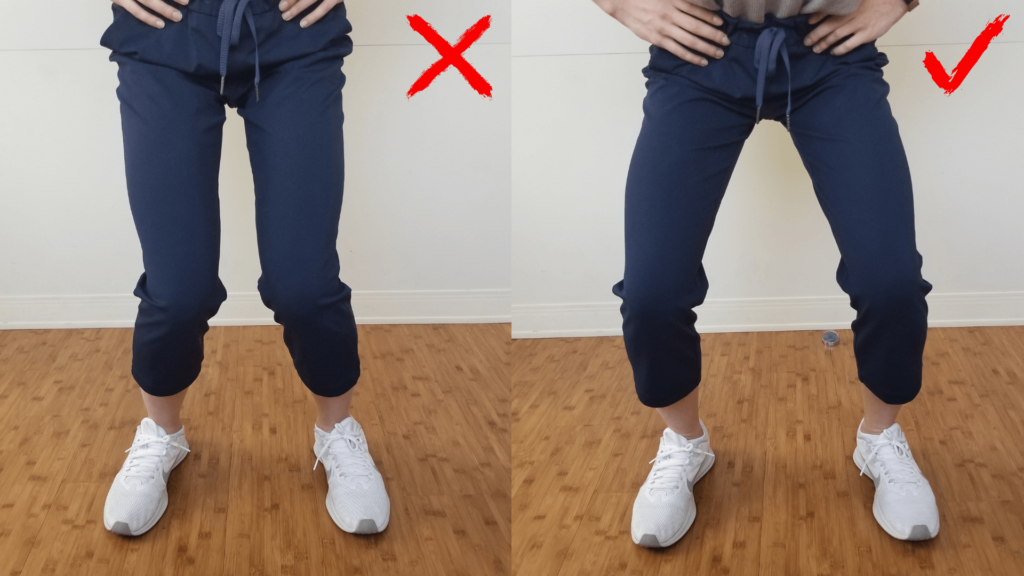
- Proper exercise form
4. Shoulder Pain
The shoulder joint allows for a lot of movement with a variety of muscles surrounding it making it susceptible to injury and pain. Your rotator cuff muscles work to stabilize your shoulder during movement which is why they are commonly injured during activity. Sports like swimming, tennis, and baseball require repetitive overhead movement and can cause an overuse injury.
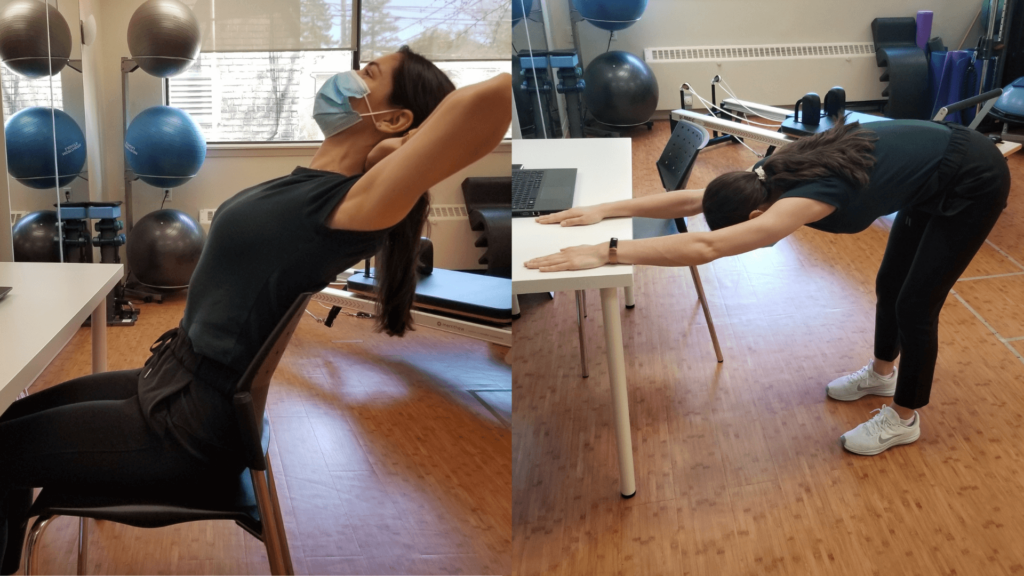
Shoulder pain may also be attributed to sustained poor posture like sitting at a desk. Holding this posture lengthens the muscles around your shoulder and makes them pre-disposed to injury. If you find yourself limited in shoulder movements, a physiotherapist can help you return to normal function.
Prevention
- Strengthen shoulder and back muscles
- Ergonomic desk set
- Maintain an active lifestyle
- Taking breaks and stretching at your desk
5. Muscle Overuse
Pain in your muscle belly is common with strains or tears resulting from excessive force placed on the muscle. The fibers in your muscles tear, damaging surrounding structures within the muscle resulting in pain, decreased strength, and range of motion. Your hamstrings, quadriceps, and calf muscles are the most affected due to their exposure to high amounts of force in a variety of sports.
Overuse muscle injuries may result anywhere in the body and may cause pain and swelling. It is important for you to recognize when a muscle overuse injury has occurred to avoid aggravating activities and prevent further injury.
Prevention
- Strengthen muscles
- Increase intensity of exercise gradually
- Proper warm-up before exercise or sport
6. Low-Back Pain
Low back pain is the most prevalent cause of pain and disability both in athletes and the general population. There are a variety of factors that may be contributing to your back pain such as physical activity, lifestyle, and biopsychosocial factors.
Approximately 90% of back pain is non-specific meaning that there is no pathoanatomical diagnosis that causes your pain. Other causes of low back pain include disc herniation, facet injury, or muscle strain. Low back pain can be sharp, dull, or radiate into your glutes.
Prevention
- Proper lifting techniques
- Strengthen your core
- Avoid twisting movement with heavy load
Physiotherapy Can Help a Lot of Different Injuries
In this article, we’ve only scratched the surface of the different types of injuries that physiotherapy can help with. If you don’t exercise much or you aren’t used to stretching, it’s always best to speak with a physiotherapist first about any injury or pain you’re experiencing.
FAQs
Do I need a Doctor’s referral before my appointment with my physiotherapist?
No, you don’t need a doctor referral, but it is recommended to bring any reports or scan imagery you may have done as well as a copy of any prescriptions you are currently taking.
What does a physiotherapist do?
The goal of physiotherapy is to optimize your function and minimize any pain you are experiencing. A physiotherapist identifies the cause of your pain and helps strengthen and restores function in your body. Physiotherapists provide manual therapy to relieve pain and stiffness and customized exercise programs to improve your mobility and strength.
Why choose physiotherapy for my injury?
Physiotherapy can help minimize your pain and help you get back to moving better. Physiotherapists use a well-rounded approach considering all aspects of your life when recovering from an injury.