
The Ultimate Guide to Back Pain and Bracing

Introduction
Have you been experiencing back pain? Have you been questioned whether a back brace can help relieve your pain? If so, read on.
If you have been experiencing back pain, you are not alone. Believe it or not, most of us experience back pain at some point in our life. It affects 4/5 adults and is one of the most common chronic conditions in Canada.
It is most common between the ages of 30-50 and is one of the leading causes of missed workdays.
Common causes of low back pain are:
- a sudden injury
- repetitive movements
- arthritis
- wear and tear from our day-to-day activities.
In this blog we’ll discuss the 3 main causes of back pain, tips to manage your back pain, and provide you with a comprehensive guide on what you need to consider before purchasing a back brace.
The Ultimate Guide to Back Pain and Bracing
- 3 main causes of back pain
- Causes of pregnancy related back pain
- 6 tips for managing your low back pain
- When should you wear a low back brace?
- Pros and cons of low back bracing
- 2 main types of low back braces
- How to choose the right low back brace

3 Main Causes of Back Pain
Back pain is stubborn and comes in many different forms. Your pain can range from a simple muscle ache to a sharp, burning, or shooting sensation. The pain can be localized to one small area, radiate down your leg, or the pain may seem to move around depending on the activity or position you are in.
Your cause of back can depend on:
- your age
- past medical history
- your activity level
- whether or not there was a mechanism of injury
Here are 3 common causes of low back pain that I see in the clinic:
1. Pulled muscle
The number 1 cause of low back pain is a pulled or strained muscle. This occurs when your muscle is stretched too far and overused. Common causes of muscle strains include:
- Lifting heavy objects
- Falls
- Injuries from sports that involve twisting (ie. golf)
- Poor posture
2. Herniated Disc
Herniated discs occur when the jelly-like center of one of the lumbar discs in your spine starts to push out into the outer layer of the disc and irritate the nerve roots in your back.
Herniated discs can happen as a result of repetitive lifting and twisting. The truth is that most people can’t pinpoint the exact cause because it is something that often develops over time.
3. Osteoarthritis
As you get older the cartilage between your joints slowly starts to break down. This may sound scary but don’t panic! This is a normal process that occurs with aging; however, it can occur faster in some than others.
The breakdown of cartilage in your joints leads to inflammation and pain in something called osteoarthritis. If you have a history of past injuries in your back, this can increase your risk of developing osteoarthritis in your spine.
Because the pain is from structural changes, you may notice it is worse when you bend or twist your back.
Osteoarthritis does not only occur in the spine. It also commonly presents itself in the hands, knees, and hips. Because the pain is from structural changes, you may notice it is worse when you bend or twist your back.
Most back pain will improve with physiotherapy or chiropractic treatment, however if you find that your back pain is not getting better or getting worse, it’s important to contact your doctor.

Causes of Pregnancy Related Back Pain
Pregnancy related low back pain affects 60-70% of all pregnant women. As your baby grows, your body goes through a major transformation, including changes in your posture, weight, and hormones, which can contribute to your pain.
1. Posture
As your belly starts to expand, your body weight shifts forward. In order to center your balance most women have to lean backwards which puts stress on the muscles of your low back
2. Weight
As your baby grows, your body must carry more weight than it’s used to. On average, a woman of health weight will gain 25-35 lb during their pregnancy. This quick change in weight can increase the stress on your muscles and joints which can result in stubborn aches and pains.
3. Muscle Changes
In order to make room for your growing baby, muscles in your abdomen need to be able to expand and stretch as your baby gets bigger. As the muscles stretch they can become WEAK which can increase your risk for developing pregnancy related low back and pelvic pain.
4. Stress
Some will say that pregnancy is one of life’s greatest experiences. It is truly just that but it is also full of big life changes that can be stressful. Stress affects more than your mood – it can cause fatigue, headaches, muscle stiffness and pain.
5. Hormones
When you’re pregnant your body releases relaxin which is a hormone that works to relax the ligaments and joints in your pelvis so that it can expand during labor. However, this hormone can’t target only the pelvis. It can also affect the ligaments throughout your body which can cause postural changes, instability, and pain.
6 Tips for Managing Your Low Back Pain
If you’ve been dealing with back pain that is getting worse or just won’t go away, I would recommend seeking professional advice from a physiotherapist or chiropractor who can help you get to the bottom of what’s causing your pain.
In the meantime, you can follow these 6 tips to help manage your back pain on your own at home.
1. Keep Moving
Oftentimes moving is the last thing you want to do when you are experiencing back pain. But the truth is, for the majority of people, MOVEMENT is MEDICINE!
Light physical activity like walking or gentle stretching can help relax stiff muscles while strengthening them to prevent further injury.
2. Try Heat or Ice
With most injuries, applying ice within the first few hours can help decrease pain and swelling. After the first few days to week, heat can help to relax any muscles that may be tight.
3. Get Better Sleep
Getting good sleep is the key to a quick recovery – it’s essential in order for your body and brain to rest, heal and recharge. Follow these tips to get a better sleep:
- Avoid caffeine 8-10 hours before bedtime
- Avoid screens or bright light 1-2 hours before bedtime
- Keep your bedroom cool and dark
- Have a regular sleep schedule – go to sleep and wake up around the same time every day
4. Improve Your Posture
There is no “perfect posture,” but there are some general tips that can be used to improve the overall alignment of your spine which can prevent injury and may improve your pain over time.
- Avoid sleeping on your stomach
- It’s common for your mattress to contribute to your back pain. Make sure you have one that is comfortable and provides good back support
- When lifting or picking up objects, bend your knees and keep your back straight
- Avoid slouching
- If you work from home, consider purchasing a desk chair with low back support

5. Eat Healthy Foods
Inflammation is a known contributor to back pain and believe it or not, some of the foods that we eat have been known to cause high inflammation in our bodies. Here are some tips:
- Limit high inflammatory foods (fast foot, processed food, saturated fat)
- Opt for anti-inflammatory foods (spinach, kale, broccoli) – generally the greener the vegetable, the more anti-inflammatory properties there are
6. Relax
It is common for back pain to be linked to tension and stress. Taking part in activities such as yoga, meditation, or mindfulness for as little as 5 minutes a day can help you:
- relax
- relieve tension within the muscles of your body
- improve your body awareness
……so that you are better able to manage your pain!

When should you wear a low back brace?
A low back brace is a device that can be worn to support your low back. It may be offered to relieve back pain, prevent injuries, promote healing, or help improve your posture.
A chiropractor or physiotherapist may suggest a back brace for the following reasons:
- To support your spine during work or everyday activities.
- To support your spine following an injury or surgery.
- To support your posture during heavy lifting or sports.
Back braces are meant to be one small aspect of a large comprehensive treatment plan and has been shown to be most effective when used in combination with physiotherapy, or chiropractic treatment, and exercise.
Back braces can be helpful for the following conditions:
- Muscle strains
- Post-surgery
- Spine osteoarthritis
- Vertebral compression fractures
- Scoliosis
- Spinal stenosis
If your condition is not on this list, don’t worry. The list above is not all encompassing and back braces may be prescribed for several different reasons.
If you think that you may benefit from a back brace it’s always important to first talk to a doctor, physiotherapist, or chiropractor. Back braces aren’t right for everybody, but with the help of a professional you can determine what the best treatment is for your needs.
Book an appointment for a free consultation
Pros and Cons of Low Back Bracing
Pros:
- Bracing can help maintain good POSTURE during activities
- It can restrict bending and twisting motions which can prevent RE-INJURY
- A brace will take stress off your spine which makes movement more comfortable and allows your injury to HEAL quicker.
Cons:
- If worn incorrectly, or for extended periods of time, it can cause your back muscles to become over-reliant on the brace and become weak, which can put you at a higher risk for further injury.
- It can provide a false sense of security. As a simple rule of thumb: if you wouldn’t do it without the brace, don’t do it with the brace.
2 Main Types of Low Back Braces
If you have started looking for a back brace, you might be overwhelmed. There are SO many different kinds it’s hard to know where to start.
The first step is figuring out why you need a back brace. Majority of braces can be grouped into 1 of 2 categories.
1. Rehabilitative Braces
These are mainly used to support your spine after surgery or significant injury. They can be soft or rigid and are designed to provide a very high level of support to the muscles and ligaments around your spine.
Oftentimes they are designed to provide compression to reduce swelling and limit motion in order to protect the injury.
2. Functional Braces
Are you an athlete? A runner? Or maybe someone looking for a little extra support as you go about your daily activities.
Functional braces can be a great fit for most people. They are flexible and provide moderate compression so that you’re able to move and exercise with greater ease.
A few other benefits of functional braces are:
- Lightweight and can fit under clothing
- Can be easily worn during exercise or sports
- Allow you to perform lifting and twisting movements with less pain
How to Choose the Right Low Back Brace
When searching for a back brace, you may be overwhelmed by all the different styles, sizes, materials, and levels of support that are offered. I’ll tell you that you’re not alone – I hear it from my patients all the time.
Other common things I hear from my patients are that they aren’t sure when they should wear a low back brace, and they’re unsure of how to choose the right one.
Well…You’ve come to the right place!
When choosing a back brace, it’s important that you follow the recommendations of your doctor, a physiotherapist, or a chiropractor. However, there are a few things to keep in mind when it comes to shopping for braces.
1. The level of support
Back braces can be rigid, semi-rigid, or flexible.
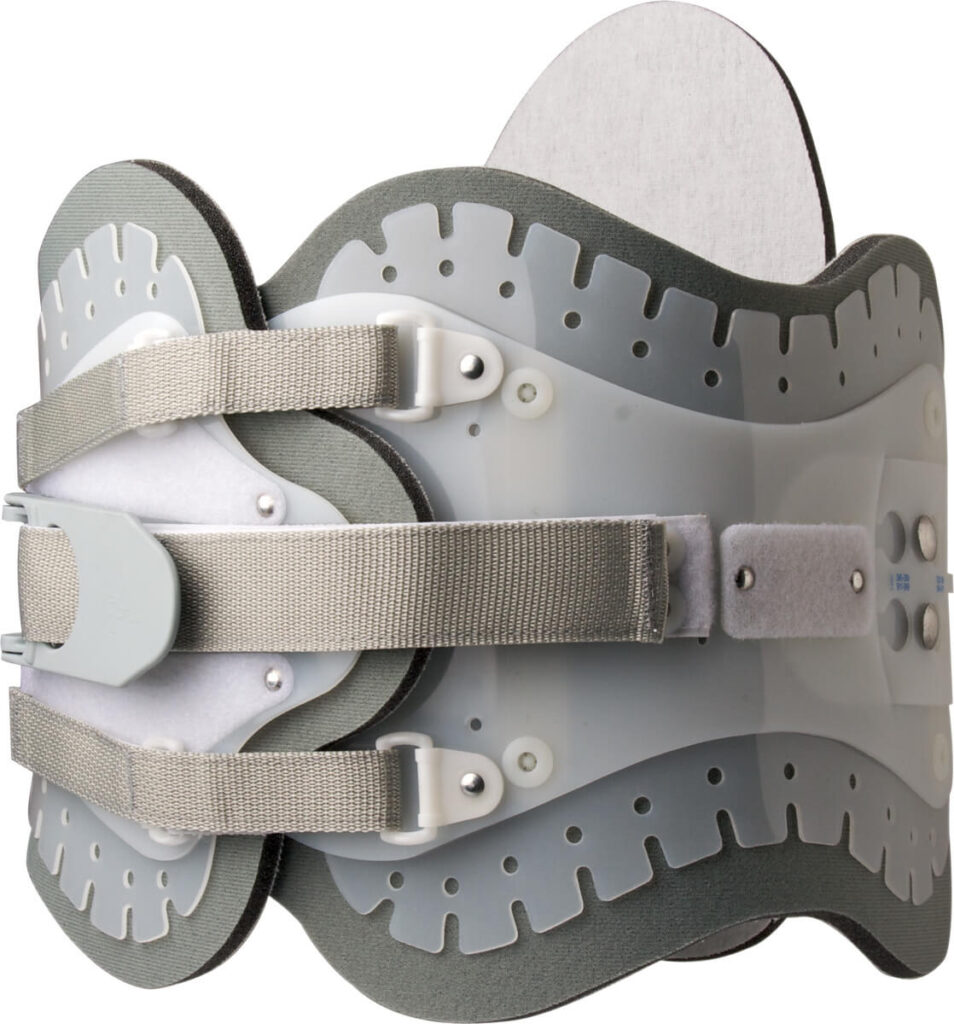

Rigid braces are made up of hard, durable material and provide the highest level of support. A rigid brace may be suitable if you are suffering from severe pain, or if you need to stabilize your spine post-surgery.
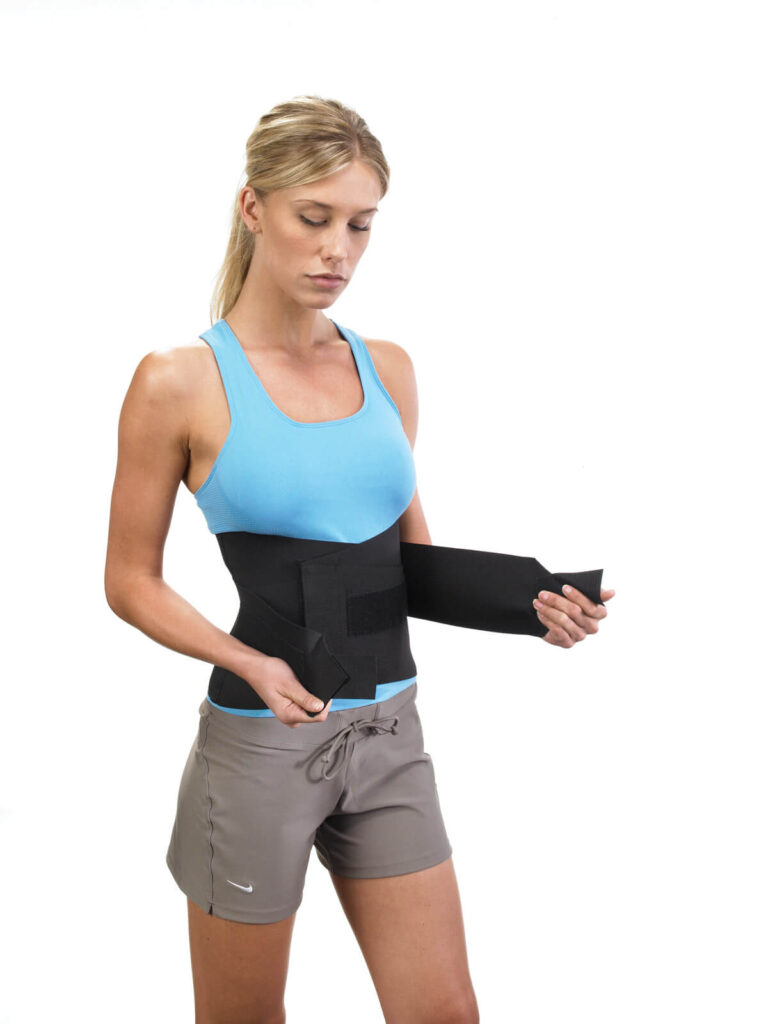
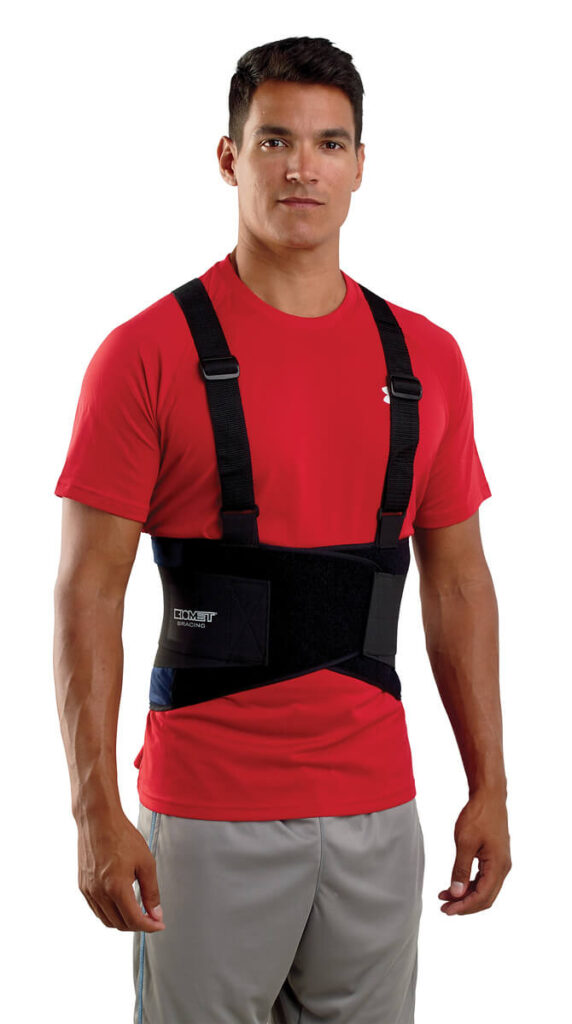
Flexible braces are made of softer materials that provide slight compression while offering more flexibility than a rigid brace. They are often seen as the most practical because they allow you to move more freely.
A flexible brace may be a good fit for you if you have mild pain but require a little extra support throughout your daily activities.
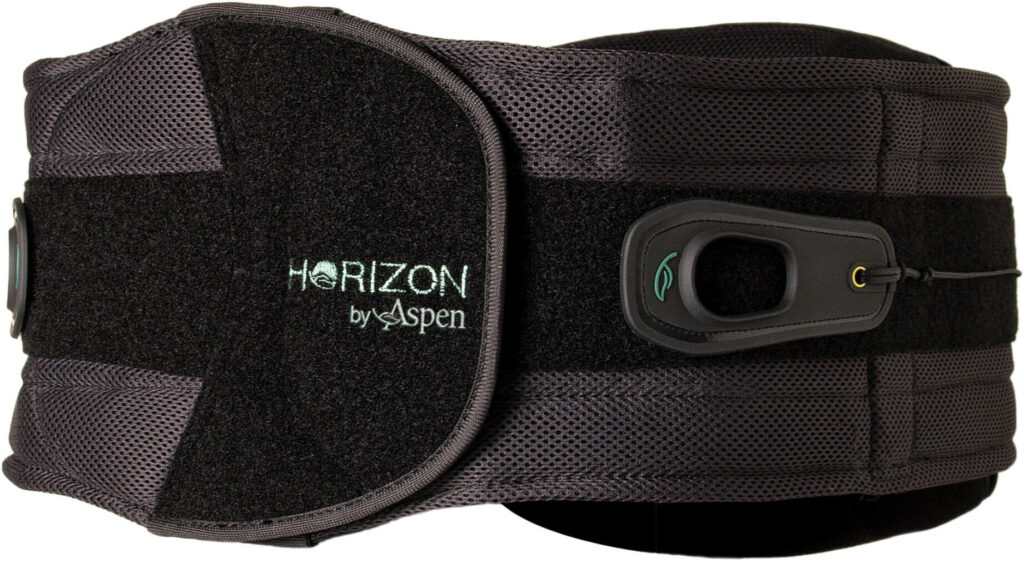
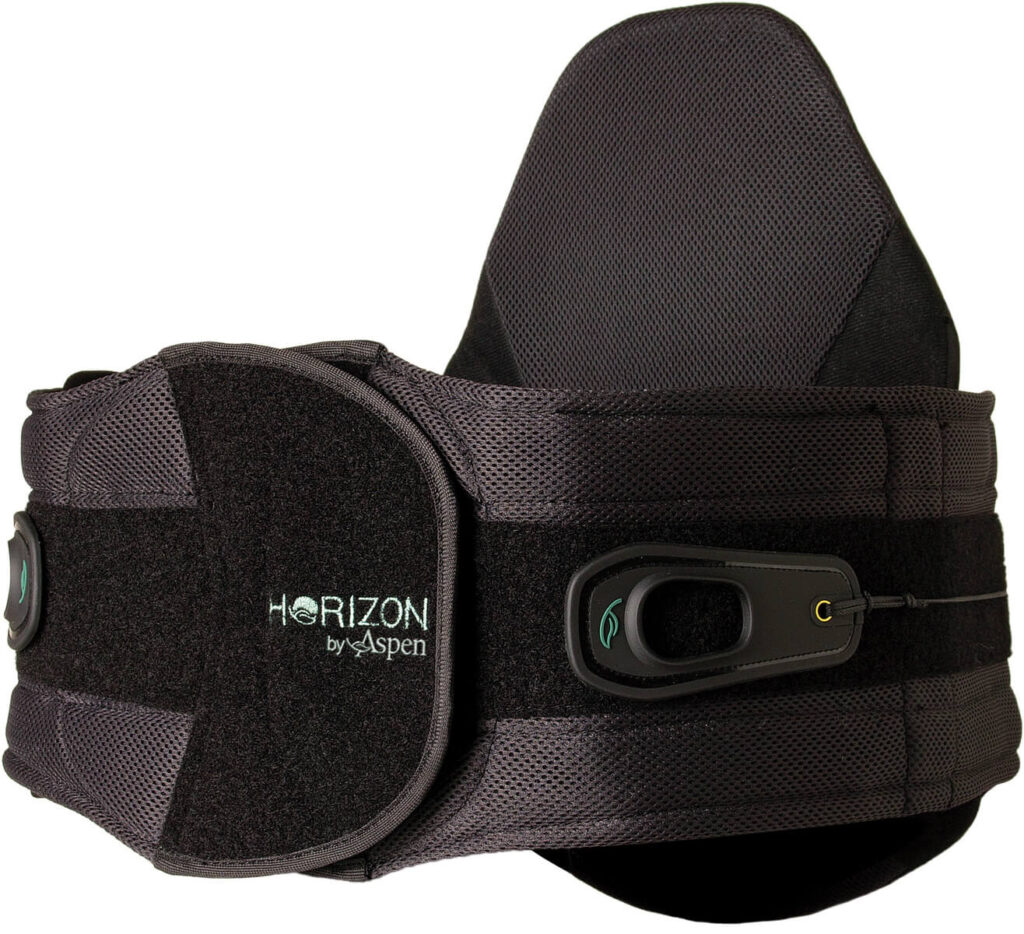
Semi-rigid braces are great because they provide the benefits of both. They contain the supportive functions of a rigid brace while providing you with the freedom and flexibility of a flexible brace.
Depending on the brand, you may be able to customize the level of support by adding or removing the rigid supports within the brace.
2. Material
Do you have sensitive skin? Fabric allergies? These are important factors to take into consideration when choosing your brace.
Rigid braces are often made of plastic, leather, or metal, whereas flexible braces are made of softer and more flexible material such as cotton, elastic, neoprene, or canvas.
3. Adjustability
It’s VERY important to find a back brace that fits you well. Most over the counter braces are a universal size and contain hooks or straps that can be adjusted to customize the fit and level of support. However, there is also an option to get a custom brace made that is moulded to your body.
4. Durability and Maintenance
One tip I give all of my patients is that if you are going to be wearing your brace frequently, having a brace that is washing machine safe will make it much easier to keep clean.
You may also want to consider the durability of the material that your back brace is made from:
“I find that the durability of braces is dependent on the type of material. For example, braces with Velcro straps may wear out quicker than braces with hooks or straps, while braces made with flexible material may stretch out over time.”
5. Extra Features
In addition to the different styles, supports, and materials offered for back braces, you may also want to consider some of the special features that may be included with certain braces:
- Hot and cold therapy – certain braces may contain a small pocket for hot or cold packs. This is a special little feature that allows you to relieve your pain, stiffness, or inflammation through the use of heat or ice without having to remove your brace.
- Therapeutic magnets – therapeutic magnets are inserted into your brace and are designed to increase circulation which helps promote healing.
- Massage feature – some braces may have electric massagers that can be turned on while wearing the brace to help relax tense muscles, and reduce pain and stiffness.
- Mould-able material – certain braces may offer custom mould-able panels that allow you to shape the brace to your body. An alternative is inflatable panels that allow you to adjust the pressure on certain areas of your back.
This blog was written by Emily Karageorgos, a Physiotherapy student at the University of Toronto.
FAQ
Should I be worried about my back pain?
Most cases of back pain don’t require immediate care. However, if you have experienced a recent injury such as a motor vehicle accident or fall, you should see a doctor immediately. Additionally, you should seek medical attention right away if your pain is accompanied by any of the following symptoms:
- A loss of urine or bladder control
- Pain in your chest
- A fever
- Numbness or tingling in your genitals, buttock, or legs
- Unexplained recent weight loss
Should I get testing to diagnose my back pain?
The vast majority of back pain can be diagnosed without diagnostic imaging. However, in some cases your doctor may want to request a test to support or confirm their diagnosis. Common diagnostic tests include:
- X-ray: an x ray provides an image of your bone structure and can help determine if you have a broken bone, arthritis, or tumour.
- MRI Scan: MRIs can provide a detailed image of your spine, discs, and nerve roots within your spine.
- CT scan: CT scans generate details cross section images of your body. They can diagnose problems with your bones, muscles, tendons, nerves, or blood vessels.
Do I have chronic back pain?
When you experience acute pain, it’s a sign that your nervous system is alerting your body that something is wrong. However, sometimes acute pain can last a very long time (up to years!). Pain is generally considered chronic if it lasts over 3 months. Sometimes this means that you have a condition that is unresolved (ie. arthritis). However, sometimes the pain does not seem to be linked to any sort of injury, conditions, or damage to the nervous system, which is what we call chronic pain.