
Recovery After An ACL Tear: A Comprehensive Guide
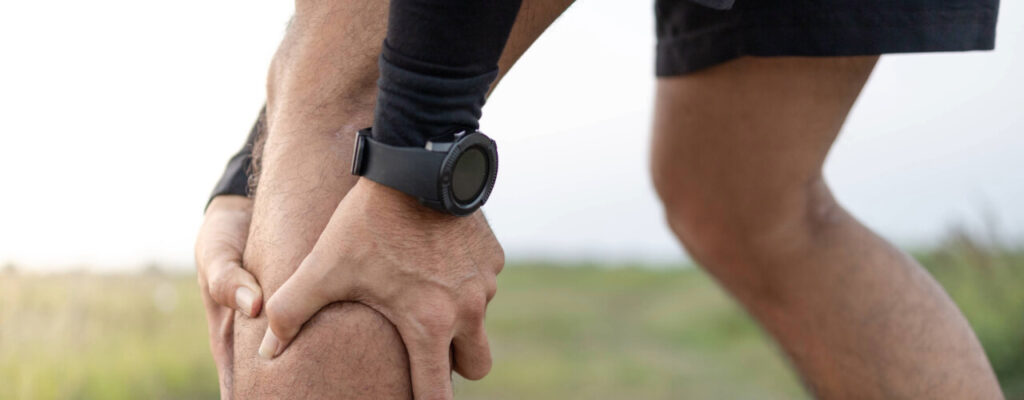

Learn The Ins And Outs of Recovery After An ACL Tear
If you have ever heard a loud pop around your kneecap, followed by a sudden wave of pain and instability in your knee, you may have experienced a tear in your ACL. ACL tears are one of the most common knee injuries, affecting thousands of athletes and non-athletes each year. But with the right guidance and a commitment to rehabilitation, you can recover from an ACL tear and return to your active lifestyle. This comprehensive guide will provide you with evidence-based information and resources to help you on your recovery after an ACL tear.
Keep reading for a comprehensive understanding of the ACL and how physiotherapy can help you recover stronger than before.
Effective Recovery After an ACL Tear
The anterior cruciate ligament (ACL) is a strong band of tissue that connects the thighbone (femur) to the shinbone (tibia), providing stability to the knee joint. It’s essential for activities that involve sudden changes in direction, jumping, or landing. Because it is required for so many different movements, the ACL can be easily injured, leading to pain, swelling, and difficulty moving the knee.
Common Causes of ACL Tears
Sudden changes in direction
- Pivoting or twisting movements, especially when the foot is planted, can put excessive stress on the ACL. This is a common mechanism of injury in sports like soccer, basketball, and football.
Landing awkwardly from a jump
- Incorrectly landing from a jump, with the knee straightened and foot planted, can overstretch and tear the ACL. This is frequently seen in sports like volleyball and gymnastics.
Direct impact to the knee
- A forceful blow to the knee, such as during a tackle or collision, can cause the ACL to tear. This is more common in contact sports like rugby and hockey.
Effective recovery after an ACL tear typically involves a combination of physiotherapy, exercise, and lifestyle modifications. Physiotherapy plays an important role in restoring your knee’s strength and range of motion.
What to Expect During Your ACL Tear Physiotherapy Sessions
Pain and swelling management
- Your physiotherapist will use various techniques like heat and cold therapy, compression, and manual therapy to reduce pain and manage swelling in the early stages of recovery.
Range of motion exercises
- Targeted exercises to gradually increase your knee’s range of motion.
Strengthening exercises
- As your knee heals, you will progress to exercises that strengthen the muscles surrounding your knee joint, providing stability and support.
Balance and proprioception training
- These exercises help you regain your sense of balance and awareness of your body’s position in space, reducing the risk of future injuries.
Functional exercises
- As you get stronger, your physiotherapist will introduce exercises that mimic real-life activities, helping you regain confidence and return to your normal routine.
It’s important to remember that recovery after an ACL tear is a gradual process that requires patience and dedication. Your physiotherapist will tailor your treatment plan to your individual needs and progress, ensuring you achieve the best possible outcome.
Recovery After an ACL Tear With Physiotherapy At PhysioPlus Health Group
Your first appointment with our clinic for recovery after an ACL tear will focus on a comprehensive assessment of your injury and medical history. Your physiotherapist will conduct a thorough physical examination to evaluate your knee’s range of motion, strength, stability, and any associated pain or swelling. Then we’ll create a personalized plan that reflects your needs and expectations.
If you’re struggling with an ACL tear, don’t let it hold you back. Our experienced team of physiotherapists can help you navigate your ACL tear recovery process and return to the activities you love.
Contact our clinic today to schedule a consultation and take the first step towards a stronger, healthier you.