
Low Back Pain: Causes, Diagnosis and Best Treatment To Get Rid of it For Good


Have you ever experienced low back pain? Are you wondering about the best treatments? If so, this blog might be for you!
Low back pain is one of the most common conditions among our society – approximately 8 out of 10 people experience low back pain at some point in their life. It can be caused by a variety of things, but regardless of what is causing your back pain, it is important to find a way to get relief!
Some common causes of low back pain include:
- Arthritis
- Injury
- Muscle strains
This blog post will explore some of the best treatments for low back pain to help you manage and relieve your discomfort! It will also shed light on a few different healthcare professionals you may want to visit throughout your journey. Remember, there is no one-size-fits-all model to relieve your low back pain, but with that being said, here are the best treatments for you to try to manage your back pain!
What Are The Common Causes of Low Back Pain?
Low back pain is very common and affects many people every day. The cause of low back pain is not always known or obvious, but the most common causes include strain or injury to muscles or tendons, arthritis, bulging discs, and osteoporosis.
Strains
Muscle strains are quite common, especially in the lower back because it is involved in everyday movement. The muscles in your back help you stand up straight, bend over, twist, and turn. Sometimes, repeated, awkward movements over time can cause low back pain.
Some symptoms of muscle strains include stiffness or decreased range of motion, muscle spasms, or pain that persists for days or weeks and is usually linked with certain movements.
Arthritis
Arthritis is a common condition that many people develop over their lifetime, and many people do not seek help for their painful joints because they feel it is “just a part of getting older”. It is still just very important to recognize your pain and seek relief! Some common symptoms include stiffness, loss of range of motion, tenderness in the low pack, and swelling.
This pain may feel dull and achy initially in the morning, and improve throughout your day, but that doesn’t mean you shouldn’t take care of your body!
Herniated Discs
Discs in your back sit between two of your vertebrae (bones of the spine) and work to protect your bones from potential injury. When doing certain movements, such as twisting, bending, or lifting heavy objects repeatedly, discs can become injured.
Some symptoms of a bulging disc might be one sided pain in your low back, which may be sharp in nature. You may also experience numbness and tingling in the back, buttocks, hip, or leg. If you suspect you may have a disc injury, you should consider physiotherapy for back pain relief!
Osteoporosis
Osteoporosis is the weakening of the bones in your spine. This condition tends to occur with age, especially those 50+ years old. Usually, people don’t notice symptoms of osteoporosis until they break a bone. Some factors that may indicate osteoporosis are losing an inch or more of height, or changes in posture over time – this may arise with low back pain.
How is back pain diagnosed?
Physiotherapists and chiropractors are highly trained in assessing and diagnosing conditions related to the back through conducting a comprehensive assessment. During your initial assessment, one of our trained practitioners will look at your range of motion, strength, location, quality of your pain symptoms, and how your body tolerates specific movements and positions. We will also identify your history of back pain and overall health status.
All of this is done to identify the root causes of your back pain, as well as all the factors that may be contributing to your condition. We believe in a whole-person approach to care and emphasize educating you about how to manage your condition independently and how to prevent future episodes.
How to prevent low back pain
There are several ways that you can try to prevent your low back pain from reoccurring. One of the best ways to prevent back pain is through exercise and physical activity! Stretching, muscle strengthening, and walking are all great tools to benefit your back. Another way to prevent low back pain is practicing sitting with a good posture and regularly moving or changing positions throughout your day!
Seeking physiotherapy and/or chiropractor services is a great way to prevent low back pain! As healthcare professionals, they will be able to help you create a sustainable routine that helps keep your back pain away – through exercises, stretches, and hands-on therapy!
Contact us to book an appointment today!
What is the Proper Sleeping Position when you have Low Back Pain?
Similar to other health conditions, there is no “one size fits all” approach – so here are a few different sleeping positions you may want to try when looking to find some relief for your low back pain!
- Sleeping on your side with a partial bend in your knees and a pillow between your legs – bending the knees helps to decrease the pressure on your low back and potentially cause pain relief. A pillow between your knees helps keep your pelvis and therefore low back in a more neutral alignment.
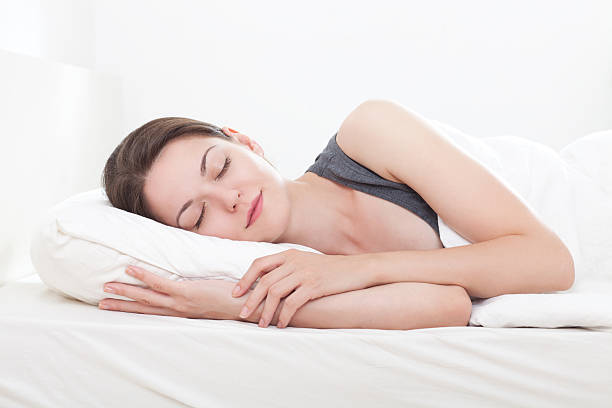
- Sleeping on your back with one pillow – try to find a pillow that keeps your neck in line with your chest and back. This also reduces pressure on your low back. Placing a pillow under your knees can also be helpful to take pressure off the low back.
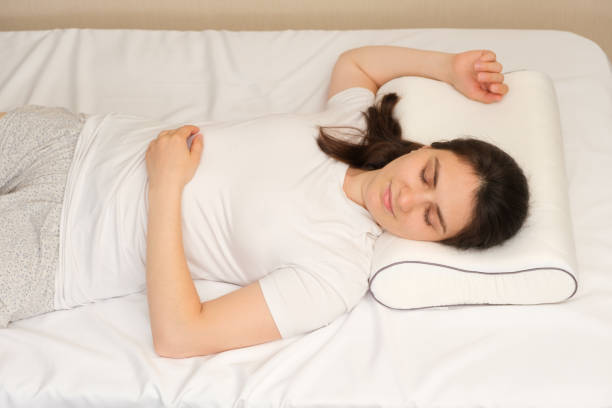
There is one sleeping position that would be best to AVOID when experiencing low back pain. Sleeping on your stomach can put pressure on the muscles in your spine, and potentially make your back pain worse. Try sticking to some of the other sleeping positions when trying to relieve your pain!
Are there exercises that can help relieve my low back pain?
Yes! There are certainly exercises you could try to relieve your pain levels! Stretching frequently is a great way to help with pain and stiffness. Here are a few stretches you could try at home:
Knee to chest – can relieve stress in the low back and hips. It can also help improve flexibility and range of motion in your hips over time!
Child’s pose – this stretch is quite relaxing! It relieves stress in the muscles and joints in your spine.
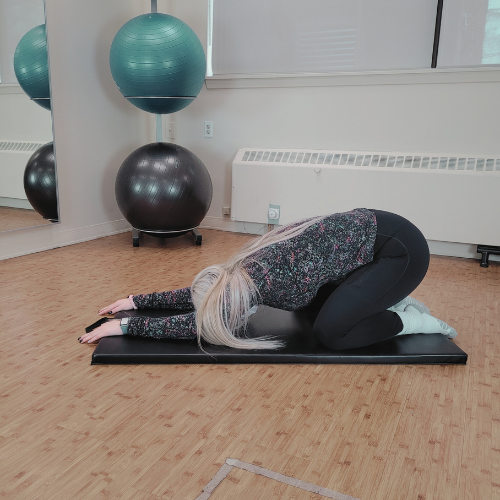
Cat cow – this stretch targets the whole spine. It helps to strengthen your spine and release tension in your back!


Spinal twist – engaging in a slow (and pain-free range) of twisting motion can help with spinal mobility and range. It can relieve low back pain and stretch your whole torso!
How can Physiotherapy or Chiropractic Care Help with Low Back Pain?
Both physiotherapy and chiropractic care can aid in relieving your low back pain!
Physiotherapy focuses more on hands-on treatment, exercise, and posture to help you regain strength, flexibility, and relieve pain in your low back. Click here to learn more about what a physiotherapist does!
Chiropractors can treat through hands-on techniques such as spinal adjustments and soft tissue therapy to help relieve your low back pain. Click here to learn more about the role of a chiropractor in your journey to relieve pain!
If you aren’t sure whether a physiotherapist, chiropractor, or both is best suited to treat your low back pain, it would be best for you to talk about your injury with both health professionals. They can give you more ideas on how they could help you. Contact us to book an appointment today!
Can low back brace help with back pain?
Posture can play a big role in low back pain and braces can help keep your body in a proper position, while keeping some pressure off your muscles and joints. A physiotherapist or chiropractor may suggest a brace to support you during your daily activities or during physical activity.
If you are curious about bracing and if it would best support you, book a bracing consultation today!
View this post on Instagram
Click here to read our blog on the Ultimate Guide to Back Pain and Bracing
ARE YOU READY TO FIND RELIEF FOR LOW BACK PAIN?
Our physiotherapists will review your medical history, assess your function, and determine your range of motion before developing a personalized treatment plan to get you back on doing the things that you love.
Our goal is to improve your quality of life and assist you in carrying out your daily activities. Contact PhysioPlus Health Group in Toronto, ON to get started.
This blog was written by Madison Allan, a Physiotherapy student at the University of Toronto.
Frequently Asked Questions
Are there home remedies that can help with low back pain?
Yes! There are some home remedies you can try to relieve your low back pain. You could try ice and heat therapy to relieve some pain. Another method you could try is light physical activity, such as walking, if you are able – try shorter distances at first, but movement may help you feel better!
How can I prevent back pain?
Once you get rid of your low back pain, you can try some different methods to prevent it from coming back! First, regular stretching and physical activity are very beneficial in preventing pain. Activity increases blood flow to your body, which can reduce stiffness in your back!
Consider your posture when doing everyday activities. Try not to sit all day, and if you must, check in to ensure you are sitting in good posture and changing your sitting position frequently! Limiting repeated, awkward movements and frequent heavy lifting are also good ways to prevent back pain.
Does posture affect back pain?
Yes! Slouching and poor posture could be contributing factors in your back pain. It can put pressure on your nerves, muscles, joints, and discs in your back. Over time, pressure could build, and could contribute to your low back pain.