
How Physiotherapy Can Reduce Your Risk of Falls
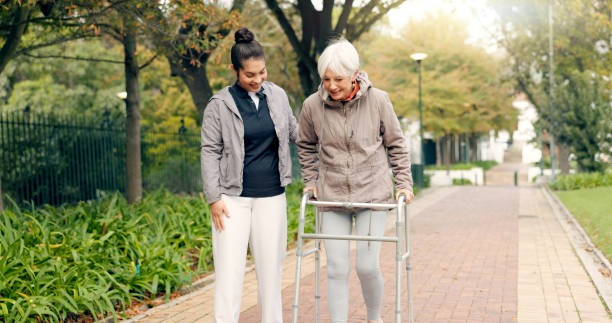

Have you ever tripped over something and caught yourself just in time? If so, you know how important balance and quick reflexes are in preventing a fall. As we get older or are recovering from an injury, those automatic reactions don’t always work as well as they used to. What’s more, these falls can lead to other injuries that can significantly impact your quality of life. Fortunately, our PhysioPlus Health Group physiotherapy for fall prevention can help to assess your movement and create a personalized plan to keep you steady on your feet.
Whether you’ve started feeling a little unsteady or just want to be proactive about staying strong and mobile, physiotherapy can help you rebuild your balance and confidence to enjoy all activities in your life.
So if you want to reduce your risk of falling and stay in control of your movement, keep reading and we’ll explore exactly how physiotherapy can help!
What are the most common causes of falls?
If you have ever felt unsteady and have fallen as a result, you are not alone. According to the World Health Organization, about 1/3rd of older adults fall each year, and this increases up to 42% of people aged 70 years or older. Falls can happen for many reasons, but some of the most common causes include:
- Poor balance
- Muscle weakness
- Reduced coordination
- Vision problems
- Vertigo or dizziness
- Increased fear of falling
- Lack of physical activity
- Poorly fitted footwear and clothing
Environmental hazards such as:
- Loose rugs
- Lack of stair railings
- Poor lighting
- Uneven surfaces
In some cases, medical conditions like arthritis, diabetes, previous stroke, heart attack, or inner ear disorders can affect stability, making everyday movements more challenging. The good news is that many of these risk factors can be managed or even prevented with the right approach using physiotherapy.
How Can Physiotherapy Improve Your Balance?
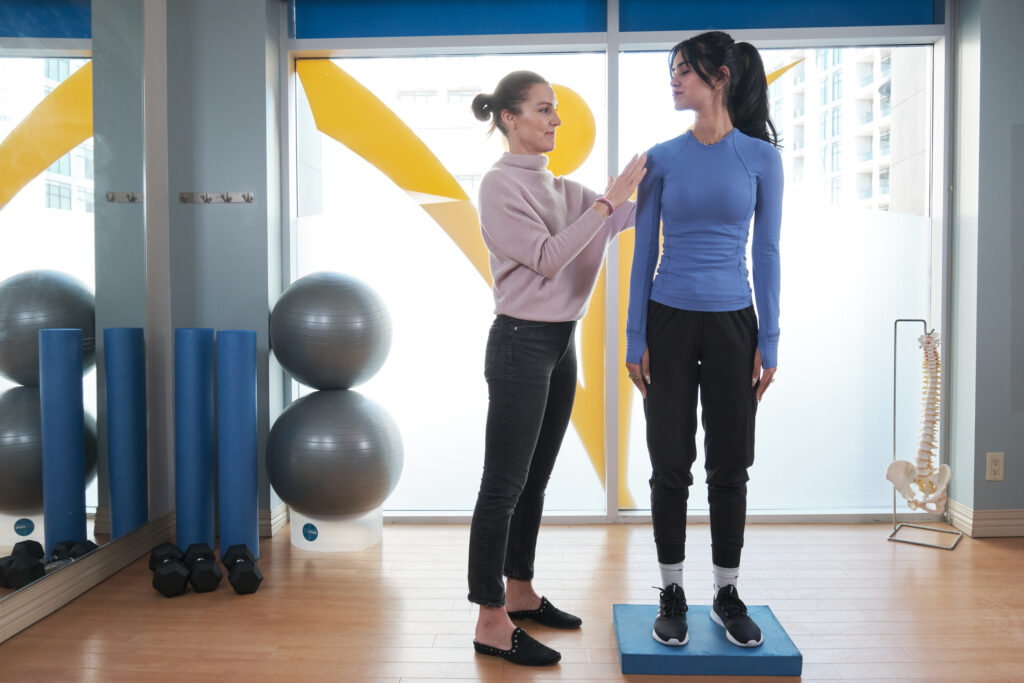
Good balance isn’t just about staying upright – it’s a complex interaction between your muscles, joints, and nervous system.
To better understand why you are at risk of falling, your physiotherapist will conduct a thorough assessment to look at your posture, test your strength and coordination, and identify any weaknesses or imbalances.
Then, to help improve your balance, your physiotherapist will provide you with custom exercises to help strengthen your core, legs, and stabilizing muscles while also improving your body’s ability to react to sudden movements.
If dizziness or vertigo is a factor, physiotherapy that also includes vestibular rehabilitation can help identify the root cause of the dizziness and help to improve your sense of equilibrium to make everyday activities feel easier and safer.
Interested in a comprehensive fall risk assessment? Schedule an appointment today!
What are the Benefits of Physiotherapy for Older Adults?

As you age, your body experiences changes such as decreased energy efficiency, reduced muscle mass, and changes to your sensory system that affect your balance and proprioception, which is your body’s skill of knowing where it is in space. Physiotherapy plays a crucial role in keeping older adults strong, mobile, and independent, ultimately reducing your risk of falls.
Beyond the physical benefits, physiotherapy can boost your confidence in movement by helping older adults regain stability, reduce the fear of falling, and empower you to take on an active lifestyle. The ultimate goal is overall safety, well-being, and long-term independence to prevent possible injuries related to falls.
How Does Physiotherapy Help Prevent Falls at Home?
To reduce or even prevent falls at home, it is important to address both the physical and environmental factors that can increase your risk of falls.
Physiotherapy helps to address the physical aspects by identifying any mobility challenges you have during your daily activities when walking, standing, or navigating your house that could be contributing to an increased risk of falls. A physiotherapist may recommend the use of an assistive device such as a walker or home equipment such as railings to help make these activities of daily living easier.
Additionally, physiotherapists can provide you with tips to keep your home safe, such as:
- Removing tripping hazards such as area rugs and keeping hallways clutter-free
- Improving lighting in dark spaces of the home
- Wearing good quality non-slip footwear
Can Physiotherapy Reduce the Risk of Falling in People with Arthritis?
The short answer is YES!
Arthritis often leads to joint stiffness, reduced joint proprioception, pain, and muscle weakness, which can make movements less efficient and can increase the likelihood of falls.
Not only do physiotherapists use exercises to ensure correct posture, enhance flexibility, and strengthen the muscles around joints, but they also use manual therapy that can help to reduce pain, improve muscle tone, and maintain joint mobility to help you move more safely and independently and reduce your risk of falling.
What are the Best Physiotherapy Exercises for Fall Prevention?
The not-so-secret recipe to fall prevention includes exercises that target several different movement components: balance, muscle strength, flexibility, and coordination. Take a look at some examples listed below:
Balance
- Side-to-side weight shifts
- Single-leg balance
- Tandem (heel-to-toe) walking
Strength & Endurance
- Sit to stands
- Step ups
- Heel raises
- Core exercises such as abdominal curls, planks
- Hip exercises such as bridges and standing side leg raises
Flexibility
- Hamstring and quad stretches
- Calf stretch
- Hip openers
Coordination
- Tossing a ball with a partner
- Dual task exercises such as walking while counting backwards
When perfecting any skill, consistency is key! Research shows that balance needs to be practiced daily to see results. The Canadian 24-hour Movement Guidelines for Adults Aged 65+ recommend incorporating physical activities that challenge balance into our daily lives. For example, practicing weight shifts at the countertop while brushing your teeth.
Stay Steady on Your Feet, Schedule Your Physiotherapy Assessment Today!
While these are just some examples of how to reduce your risk of falls, everyone’s life situation is different, and there could be several different factors unique to you that may be impacting your balance. Not too sure where to start? Our PhysioPlus Falls Prevention Program takes the guesswork out of your care and can provide you with the much-needed answers to reduce your risk of falls and help support you towards living your most active and independent lifestyle.
Book your fall prevention program appointment now!
Frequently Asked Questions
Is Physiotherapy Helpful for Fall Prevention?
Yes, physiotherapy is one of the most effective methods for preventing falls because it addresses changes in mobility, muscle strength, coordination, and balance that may be contributing to your risk of falling. Your physiotherapist will conduct a thorough assessment to identify these factors and will provide you with tailored exercises, education on correct movement techniques, and environmental adjustments to ensure your home is safe from fall hazards. These strategies combined can empower you to move with greater safety and independence.
How Quickly Can Physiotherapy Reduce Your Risk of Falls?
The timeline to seeing a reduction in your fall risk with physiotherapy can vary, but most people begin to notice improvements within a few weeks of consistent practice. You may start to notice better balance, increased strength, and improved coordination. Remember: consistency is key! If you commit to regular physiotherapy sessions and follow the guidelines of a fall prevention program, you can expect gradual improvements in your stability over time. Some of these changes take a few months, while others may improve your balance confidence and safety immediately.
What Should I Expect in a Fall Prevention Program with a Physiotherapist?
With a physiotherapist, you can expect the following in your fall prevention program.
We will:
– Identify and treat the source of your unsteadiness and reduce the risk of falls;
– Identify and explain factors that are putting you at risk of falling and steps you can take to reduce your risk;
– Perform a thorough physical evaluation to determine what the best treatment plan for you will be.