
How Knee Braces Can Help with Knee Pain Relief
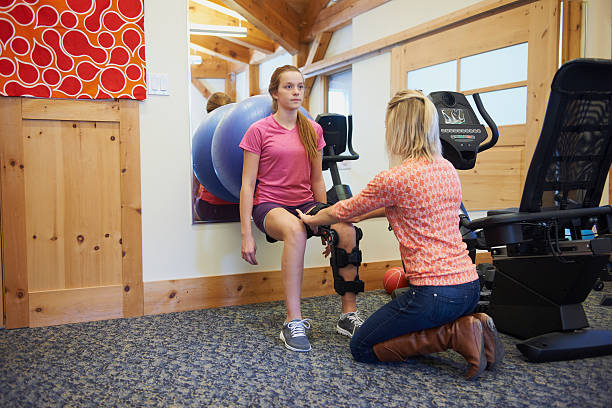

“I’m worried because of my knee pain, I won’t be able to enjoy time with my grandkids.”
“I didn’t sign up for the volleyball team this season because I don’t feel confident enough on my knee.”
“I have this trip coming up, but I might have to cancel if I cannot keep up with the tour group because of my knee pain.”
Do any of these sound familiar to you? As a physiotherapist, people come to me with countless plans and personal goals falling by the wayside because of unrelenting knee pain. For many, finding effective relief is essential to maintaining an active and healthy lifestyle.
One solution is the use of knee braces. These knee braces can provide support to many who live with knee pain, whether it is due to injury, arthritis, overuse or chronic conditions. They can take on various shapes and sizes from custom-made hinged braces to easy-to-slip-on sleeves. Read on to learn more about how knee braces can help with your knee pain.
Do knee braces help with knee pain?
Knee braces can be a helpful tool for managing knee pain, depending on the root cause and severity of the condition. As a physiotherapist, I will recommend bracing as part of a holistic treatment plan for your knee.
For example, if you have been diagnosed with knee osteoarthritis, an unloader brace alongside the right physiotherapy treatment can help reduce your knee pain and get you back to the things you enjoy. Let’s explore more about what braces can help with and what types of knee problems.

Which knee problems benefit most from a brace?
Knee braces can be an effective tool in managing a variety of knee conditions by providing support, stability and pain relief.
Osteoarthritis
One of the most common conditions that benefit from bracing is knee osteoarthritis. In knee osteoarthritis, there is joint space narrowing, which can cause stiffness and discomfort. An unloader brace reduces joint stress, eases mobility and reduces pain.
Ligament sprains
Knee ligaments, such as your ACL, MCL and LCL, that have been injured or have been repaired with surgery respond well to functional braces. These types of braces provide extra stability to the joint and can be used for low-impact activities such as walking, as well as higher impact sports such as soccer, volleyball or football.
People who also experience chronic knee instability often due to previous ligament injuries or ligament laxity can benefit from a knee brace to restore confidence and control.
Meniscus tears or degeneration
Meniscus injuries may require a brace to limit twisting and deep bending but also can be used for pain by offloading the affected joint compartment of the knee.
Patellofemoral Pain
This type of knee condition often comes from poor kneecap tracking along the thigh bone. A patellar stabilizing brace can help to guide alignment and reduce irritation with activities.
Swelling
For knees affected by swelling, whether from injury or overuse, compression braces can aid in reducing inflammation and promote circulation
How does a knee brace work to relieve pain?
A knee brace works by providing stability, support and compression to the joint, helping to reduce pain. When the knee joint is put under additional pressure and stress, a knee brace can help to unload some of that pressure to help alleviate discomfort.
For ligament injuries, the brace provides external stability and increases the efficiency of the muscles around your knee to help stabilize. This can reduce excessive strain on the knee joint and surrounding tissues.
Compression from a brace to target swelling can improve circulation and increase proprioception (AKA your body’s sense of joint position), and this can enhance movement and reduce the likelihood of sudden, painful shifts in the knee. Some studies also show that knee bracing can increase the confidence of the wearer, allowing them to perform their best in their activities.
View this post on Instagram
What type of knee brace is best for knee pain?
Not one knee brace is considered the ‘best’ for knee pain. It all depends on what you are looking for in a brace and what is the root cause of the knee pain. For example, if you have a meniscus injury, you may benefit from an unloader brace to reduce load on the symptomatic side of the knee. If feelings of instability are your main concern, then a ligament brace for added support may be a better option. Here are the most common knee brace types we see for knee pain:
Ligament Brace
Ligament braces provide extra stability and support following knee ligament injuries, such as to the ACL, MCL and LCL. Some hinged knee braces work to limit the time spent in at-risk positions and aid in activating surrounding knee muscles to better protect the knee during activities and sports.
Knee Unloader Braces (custom or off the shelf)
Unloader braces help to provide relief by unloading the joint compartment with surrounding straps. This helps to reduce pressure to the joint compartment that is causing pain due to conditions such as osteoarthritis or meniscus injuries
Compression Knee Sleeves
Knee sleeves that provide compressive support can help to alleviate pain in a wide array of injuries such as knee sprains/strains, meniscus injuries, arthritis or chronic knee pain. The compression also helps to reduce swelling by improving circulation and preventing fluid buildup.
Patellofemoral or Patellar Tracking Knee Brace
These are usually off-the-shelf knee sleeves with added straps around the patella (kneecap) to help with proper kneecap tracking or alignment. This helps to reduce pain that comes from patellofemoral pain or kneecap dislocations.

Can a knee brace help with arthritis pain?
A knee brace can be a valuable tool in managing arthritis-related knee pain. Knee braces can provide extra support and stability by redistributing pressure away from the most affected parts of the joint (AKA unloading the knee joint compartment). This can help reduce pain during daily activities, improve mobility and enhance overall joint function. In these cases, a knee unloader brace, whether it be custom-made or off the shelf, can be an effective part of a broader pain management program to improve your daily activities and overall quality of life.
How to Know when a Knee Brace is Needed
Knowing when to use a knee brace depends on the nature and severity of your knee pain. Here are some questions you may ask yourself:
- Do you experience persistent knee discomfort with movement, even with rest and basic treatments?
- Do you still feel some instability or decreased confidence in your knee after a ligament injury, making it difficult to participate in your sports, or regular activities?
- Are you having a difficult time managing your knee swelling?
- Do you have arthritis and notice increased discomfort during weight-bearing tasks?
If you said “yes” to some or all of the above questions, then you may benefit from a knee brace. Book a consultation with our physiotherapists today.
Do I still need physiotherapy if I wear a knee brace?
While a brace can provide immediate support, reduce pain and improve knee stability, a comprehensive treatment plan through physiotherapy ensures that the root cause of the problem is still being addressed.
Physiotherapy focuses on restoring joint mobility, muscle strength and proper movement patterns to promote long-term healing and reduce the risk of future injuries. While a brace might help you move safely, physiotherapy will also address underlying issues such as muscle imbalances or compensatory movement patterns that a brace cannot fix on its own.
Think of bracing as one tool in your tool kit! Alongside key treatment approaches such as exercise, education and hands-on treatment, bracing can be an added benefit. For lasting results, a personalized rehab program is essential.
Where to Get the Right Knee Brace
Unsure how to get started?
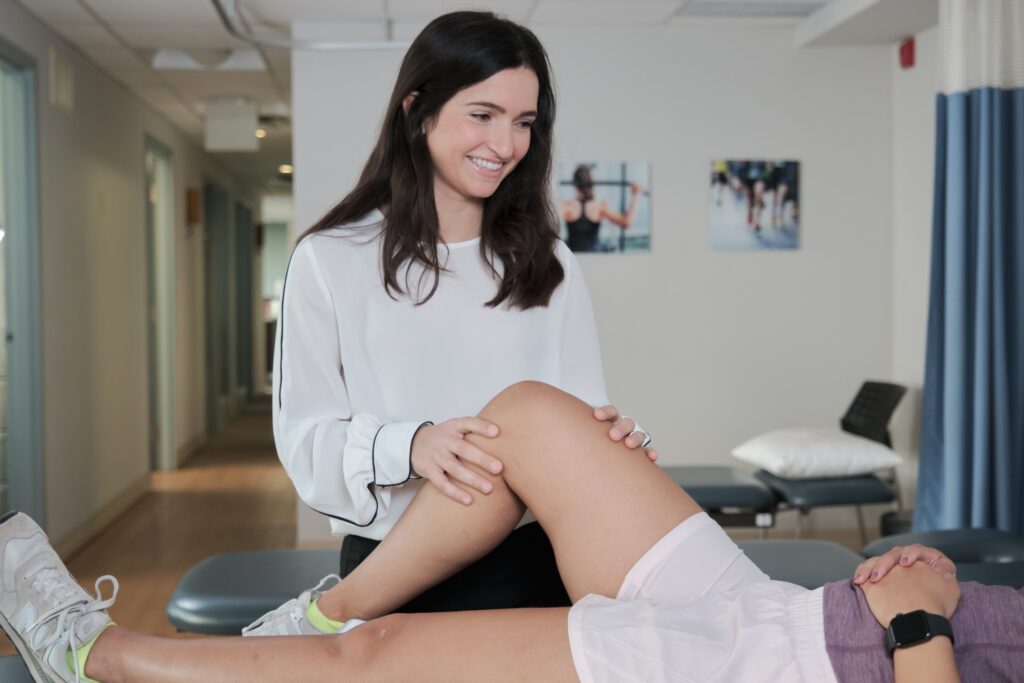
Book a consultation with one of our knee brace physiotherapists! They can discuss with you what type of knee brace may be most suitable for your needs. At PhysioPlus Health Group, we offer a variety of knee brace options both custom-made and off-the-shelf, through many highly reputable knee brace suppliers.
Frequently Asked Questions
How long should I wear a knee brace for knee pain?
The duration depends on your condition and the type of brace you’re using. Your physiotherapist may recommend wearing it for specific activities such as your regular sports or walking. You will need to wean into wearing the brace slowly over time (e.g., building up by 30 minutes each day) so that you are able to get used to the sensation of having the brace on for your activities.
Can I exercise while wearing a knee brace?
Yes, many people exercise while wearing a knee brace, especially for added stability and protection. However, it’s important to use the right type of brace and to follow guidance from your physiotherapist on how to wear the brace correctly and for the right amount of time.
Can I wear a knee brace all day?
In some cases, wearing a knee brace throughout the day is appropriate, especially during flare ups. However, for best results, it’s important to balance your knee pain with the right knee strengthening and conditioning from a physiotherapist to avoid muscle weakening with long-term use.