
Eat Your Way to Less Pain: How Nutrition Can Help Chronic Pain
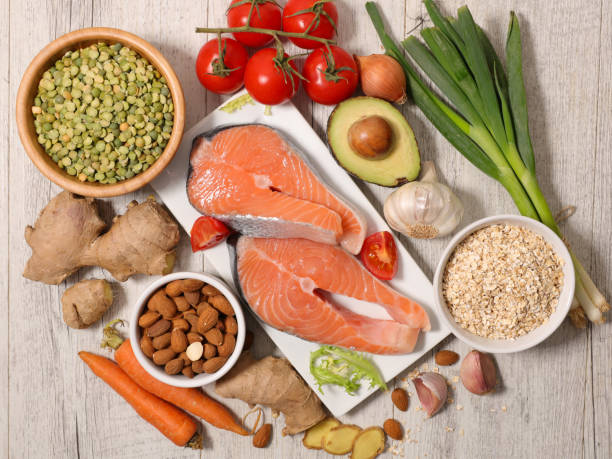

Chronic pain can feel overwhelming, but did you know that what you eat can make a big difference? Food isn’t just fuel—it’s medicine for your body. By making smart choices, you can help reduce inflammation, ease discomfort, and feel better overall. In this article, we’ll share dietitian-approved tips on how eating the right foods can help you take control of chronic pain.
What Causes Chronic Pain?
Chronic pain is pain that sticks around for more than three months(1). It can come from old injuries, arthritis, or even nerve issues. One big reason pain lingers is inflammation, which is your body’s way of trying to heal but sometimes causes more harm than good. The good news? Some foods can calm that inflammation and help your body feel its best.
Foods That Can Help You Feel Better
1. Olive Oil
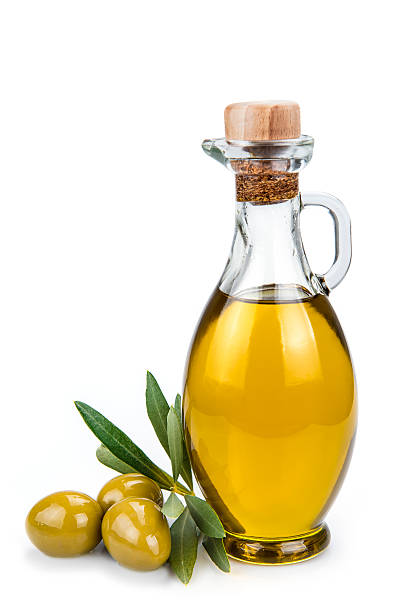
Olive oil contains special compounds, like oleocanthal, that act in a way similar to mild pain relievers, such as ibuprofen (2). It may also support inflammation reduction, which could help manage pain in conditions like arthritis (3).
What to try: Use olive oil in your cooking instead of butter, drizzle it on salads, or dip whole-grain bread in it for a simple snack.
2. Nuts and Seeds
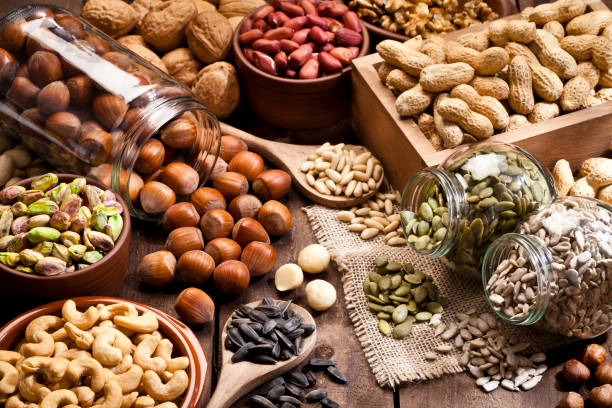
Nuts and seeds provide healthy fats, magnesium, and antioxidants that could help reduce inflammation (4). They’re also an easy, crunchy snack!
What to try: Grab a handful of almonds or walnuts for a snack, sprinkle flaxseeds on your yogurt or oatmeal, or add pumpkin seeds to your salads for a boost of goodness.
3. Fatty Fish
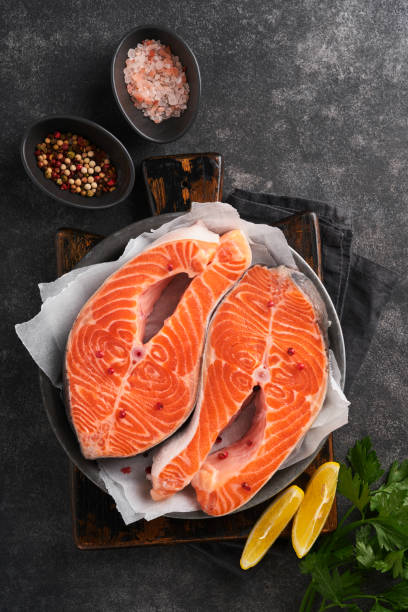
Fish like salmon and mackerel are rich in omega-3 fatty acids, which are associated with reduced inflammation and may help ease pain in certain conditions (5).
What to try: Aim for two servings of fatty fish each week. If you’re not a fan, try adding it to a frittata for a delicious twist or sneak it into potato patties for a flavorful disguise. For those who prefer alternatives, consult your doctor or registered dietitian about omega-3 supplements.
4. Beans and Soy
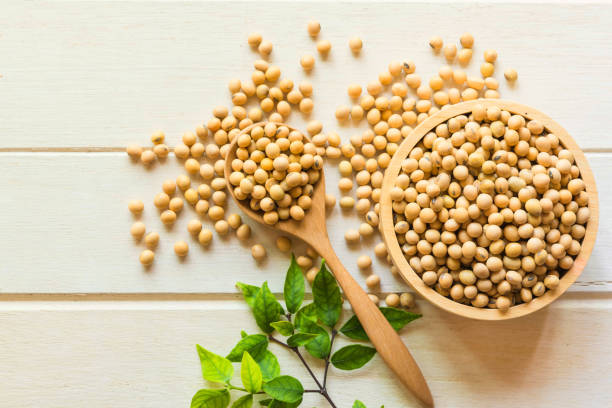
Beans and soy products are great sources of plant-based protein and fiber. They could also lower inflammation and might help with joint pain (6-7).
What to try: Add black beans to tacos, enjoy a lentil soup, or toss tofu into a stir-fry. Swap meat for beans a couple of times a week to give your body a break from meat-heavy meals.
5. Fruits and Vegetables
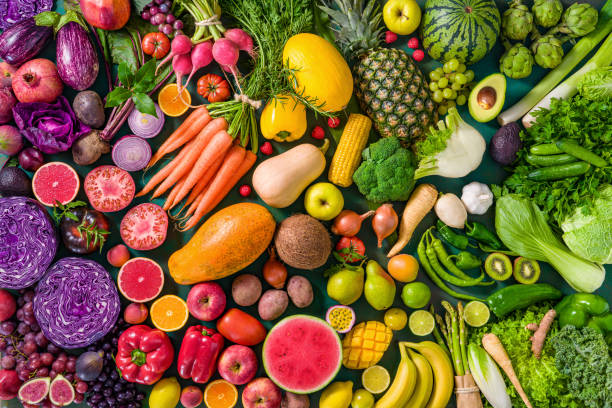
Brightly colored fruits and vegetables are great additions to your diet. They contain antioxidants and vitamins that may help reduce inflammation and support your body’s healing process (4).
What to try: Add berries to your morning cereal, snack on carrot sticks, or roast sweet potatoes and butternut squash for a delicious side dish.
6. Yogurt
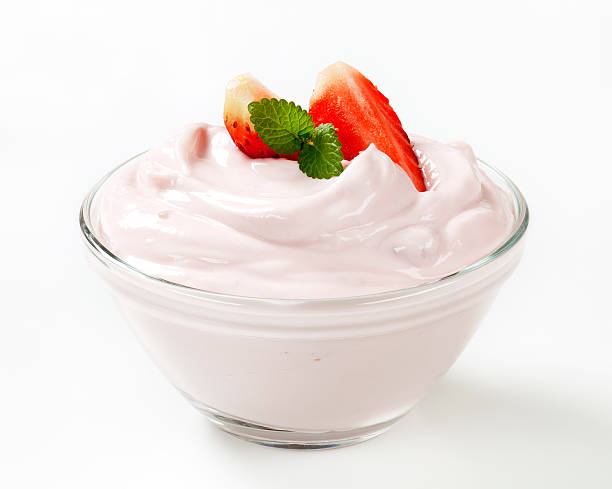
Yogurt isn’t just tasty—it’s also great for your gut. Healthy gut bacteria may help reduce inflammation and support your immune system, which could play a role in managing pain (8).
What to try: Choose plain yogurt and top it with fresh fruit or nuts. Go for fermented options like kefir for even more gut-friendly benefits.
7. Ginger and Turmeric
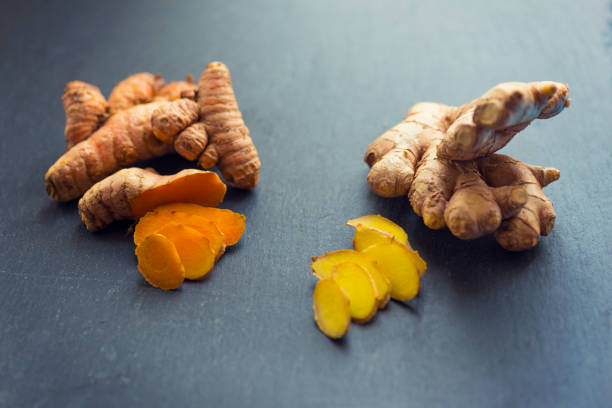
Ginger and turmeric are often praised for their potential health benefits. Ginger may help ease muscle soreness (9), while turmeric’s active ingredient, curcumin, could support inflammation reduction (10).
What to try: Brew ginger tea, add turmeric to soups, or try a golden milk latte. If you want a stronger effect, look for turmeric supplements with black pepper for better absorption.
8. Whole Grains
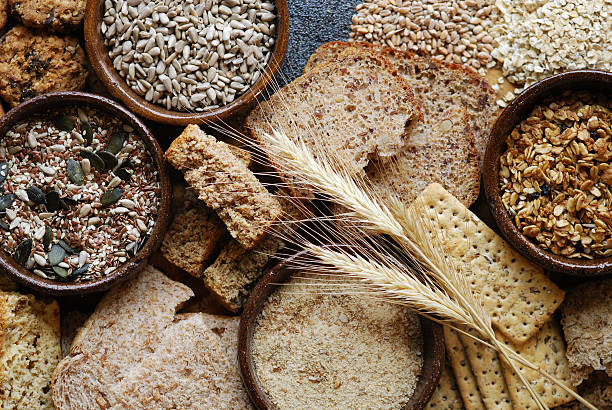
Whole grains like oatmeal, quinoa, and brown rice can help keep your blood sugar steady and may support inflammation reduction (11). They’re also high in fiber, which helps you feel full and supports overall health.
What to try: Swap white bread for whole-grain options, enjoy a hearty bowl of oatmeal, or try quinoa as a side dish with your favorite meal.
Nourish Your Way to Less
Food can’t fix everything, but it’s a powerful tool to help manage chronic pain. By filling your plate with anti-inflammatory foods, you’re giving your body what it needs to heal and feel better. Even small changes to your diet can make a big difference, and if you’re unsure where to start, a dietitian can help guide you.
Make an appointment with a registered dietitian nutritionist to get personalized advice and a plan that works for your tastes and lifestyle. Take the first step today—your body will thank you!
References
- Treede, R. D., Rief, W., Barke, A., Aziz, Q., Bennett, M. I., Benoliel, R., Cohen, M., Evers, S., Finnerup, N. B., First, M. B., Giamberardino, M. A., Kaasa, S., Korwisi, B., Kosek, E., Lavand’homme, P., Nicholas, M., Perrot, S., Scholz, J., Schug, S., Smith, B. H., … Wang, S. J. (2019). Chronic pain as a symptom or a disease: the IASP Classification of Chronic Pain for the International Classification of Diseases (ICD-11). Pain, 160(1), 19–27. https://doi.org/10.1097/j.pain.0000000000001384
- Beauchamp, G. K., Keast, R. S., Morel, D., Lin, J., Pika, J., Han, Q., Lee, C. H., Smith, A. B., & Breslin, P. A. (2005). Phytochemistry: ibuprofen-like activity in extra-virgin olive oil. Nature, 437(7055), 45–46. https://doi.org/10.1038/437045a
- Takeda, R., Koike, T., Taniguchi, I., & Tanaka, K. (2013). Double-blind placebo-controlled trial of hydroxytyrosol of Olea europaea on pain in gonarthrosis. Phytomedicine : international journal of phytotherapy and phytopharmacology, 20(10), 861–864. https://doi.org/10.1016/j.phymed.2013.03.021
- Rondanelli, M., Faliva, M. A., Miccono, A., Naso, M., Nichetti, M., Riva, A., Guerriero, F., De Gregori, M., Peroni, G., & Perna, S. (2018). Food pyramid for subjects with chronic pain: foods and dietary constituents as anti-inflammatory and antioxidant agents. Nutrition research reviews, 31(1), 131–151. https://doi.org/10.1017/S0954422417000270
- Ramsden, C. E., Faurot, K. R., Zamora, D., Suchindran, C. M., MacIntosh, B. A., Gaylord, S., Ringel, A., Hibbeln, J. R., Feldstein, A. E., Mori, T. A., Barden, A., Lynch, C., Coble, R., Mas, E., Palsson, O., Barrow, D. A., & Mann, D. J. (2013). Targeted alteration of dietary n-3 and n-6 fatty acids for the treatment of chronic headaches: a randomized trial. Pain, 154(11), 2441–2451. https://doi.org/10.1016/j.pain.2013.07.028
- Arjmandi, B. H., Khalil, D. A., Lucas, E. A., Smith, B. J., Sinichi, N., Hodges, S. B., Juma, S., Munson, M. E., Payton, M. E., Tivis, R. D., & Svanborg, A. (2004). Soy protein may alleviate osteoarthritis symptoms. Phytomedicine : international journal of phytotherapy and phytopharmacology, 11(7-8), 567–575. https://doi.org/10.1016/j.phymed.2003.11.001
- Hosseinpour-Niazi, S., Mirmiran, P., Fallah-Ghohroudi, A., & Azizi, F. (2015). Non-soya legume-based therapeutic lifestyle change diet reduces inflammatory status in diabetic patients: a randomised cross-over clinical trial. The British journal of nutrition, 114(2), 213–219. https://doi.org/10.1017/S0007114515001725
- Pei, R., Martin, D. A., DiMarco, D. M., & Bolling, B. W. (2017). Evidence for the effects of yogurt on gut health and obesity. Critical reviews in food science and nutrition, 57(8), 1569–1583. https://doi.org/10.1080/10408398.2014.883356
- Semwal, R. B., Semwal, D. K., Combrinck, S., & Viljoen, A. M. (2015). Gingerols and shogaols: Important nutraceutical principles from ginger. Phytochemistry, 117, 554–568. https://doi.org/10.1016/j.phytochem.2015.07.012
- Daily, J. W., Yang, M., & Park, S. (2016). Efficacy of Turmeric Extracts and Curcumin for Alleviating the Symptoms of Joint Arthritis: A Systematic Review and Meta-Analysis of Randomized Clinical Trials. Journal of medicinal food, 19(8), 717–729. https://doi.org/10.1089/jmf.2016.3705
- Gögebakan, O., Kohl, A., Osterhoff, M. A., van Baak, M. A., Jebb, S. A., Papadaki, A., Martinez, J. A., Handjieva-Darlenska, T., Hlavaty, P., Weickert, M. O., Holst, C., Saris, W. H., Astrup, A., Pfeiffer, A. F., & DiOGenes (2011). Effects of weight loss and long-term weight maintenance with diets varying in protein and glycemic index on cardiovascular risk factors: the diet, obesity, and genes (DiOGenes) study: a randomized, controlled trial. Circulation, 124(25), 2829–2838. https://doi.org/10.1161/CIRCULATIONAHA.111.033274