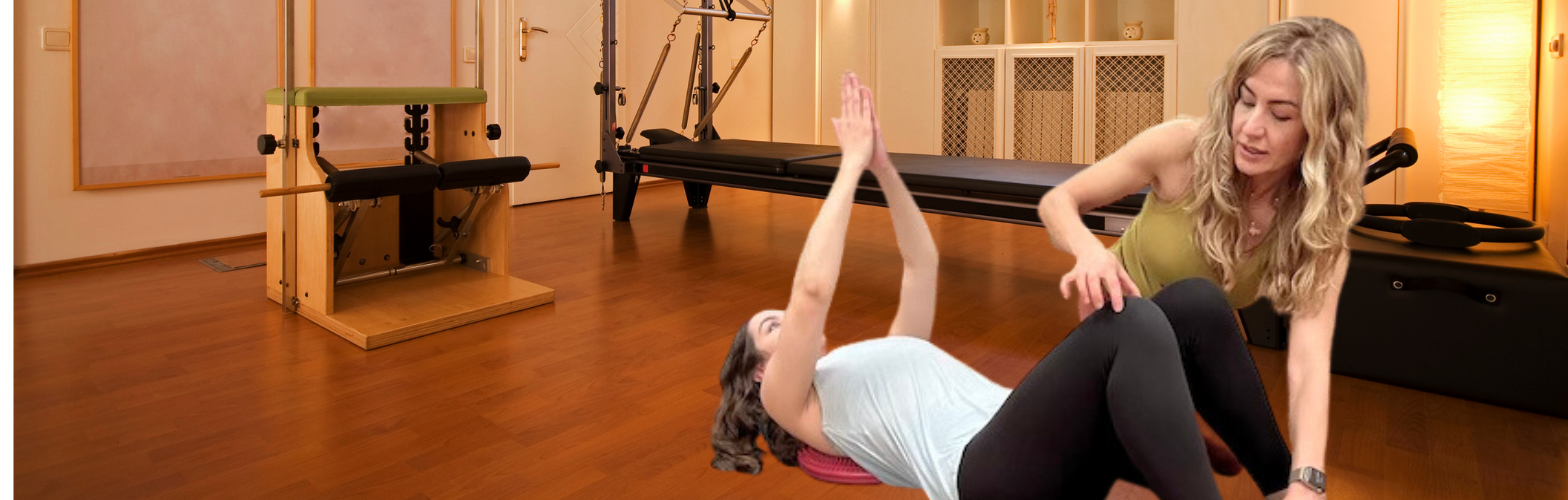
I started taking pilates with Pari three years ago after a back injury. Under her instruction she has helped to improve my mobility, increase my strength and make me more aware of my body. At the start of the pandemic, I switched to virtual sessions which has helped me continue to move and take care of myself during this challenging time. Pari always creates a welcoming space and modifies exercises based on how my body is feeling. She is a caring and encouraging instructor who knows how to challenge you while ensuring you are comfortable and safe. It is clear from her instruction that she is truly passionate about pilates, especially as a tool for physical rehabilitation. I always look forward to seeing Pari for a session, her positive outlook is infectious and her classes never fail to improve my day!
- Elisabeth S.
BE STRONGER AND STAY PAIN FREE WITH PHYSIO-PILATES
Are you ready to transform your health and well-being through a revolutionary fitness approach? Look no further than Physio-Pilates, the ultimate fusion of Physiotherapy and Pilates, designed to unlock your body’s full potential. Say goodbye to aches, pains, and limitations, and say hello to a stronger, more flexible, and pain-free you. Discover the power of Physio-Pilates today and embark on a journey to a healthier, happier, and more vibrant life!
WHAT IS PHYSIO-PILATES? (ALSO KNOW AS CLINICAL PILATES OR REHAB PILATES)
Physio-Pilates is a specialized form of exercise that combines the principles of Pilates with the expertise of physiotherapy. It focuses on promoting optimal movement patterns, enhancing core stability, and improving overall physical well-being. Pilates Instructors with additional training in Clinical or Rehab Pilates use their knowledge of anatomy, biomechanics, and rehabilitation to design tailored exercise programs for individuals with specific needs or conditions.
In Physio- Pilates, emphasis is placed on precision, control, and alignment to ensure safe and effective movements. The exercises typically involve a combination of mat-based exercises and the use of specialized equipment such as reformers, resistance bands, and stability balls. These tools provide resistance and support, allowing for targeted muscle activation, flexibility, and balance training.
Physio-Pilates aims to address a range of musculoskeletal conditions, including back pain, joint injuries, postural imbalances, and rehabilitation after surgery. It helps to improve posture, increase strength and flexibility, enhance body awareness, and promote overall functional movement. With its focus on individualized care and therapeutic approach, Physio-Pilates is widely recognized for its role in aiding injury recovery, preventing future injuries, and promoting optimal physical performance.
WHAT ARE THE BENEFITS OF COMBINING PHYSIOTHERAPY WITH PILATES?
Combining physiotherapy with Pilates offers numerous benefits for individuals seeking rehabilitation, injury prevention, and overall physical well-being. The integration of these two practices provides a comprehensive approach to address specific needs and conditions. Here are some key advantages of combining physiotherapy with Pilates:
Rehabilitation: Physiotherapy focuses on restoring mobility, strength, and function after an injury or surgery. By incorporating Pilates exercises, which emphasize core stability, alignment, and controlled movements, individuals can enhance their rehabilitation process and promote optimal recovery.
Improved posture and alignment: Pilates exercises promote proper posture and alignment, which are essential for overall musculoskeletal health. Physiotherapists can further assess and correct any imbalances or postural issues through targeted Pilates movements, resulting in improved body mechanics and reduced strain on joints and muscles.
Increased strength and flexibility: Pilates targets deep stabilizing muscles, enhancing overall strength, particularly in the core, hips, and back. By integrating physiotherapy techniques, such as resistance training and stretching, individuals can further improve their muscular strength, flexibility, and joint mobility.
Injury prevention: Pilates focuses on improving body awareness, balance, and coordination, which can help reduce the risk of future injuries. When combined with physiotherapy, individuals receive personalized guidance to address specific weaknesses or imbalances, enhancing their overall movement mechanics and reducing the likelihood of recurring injuries.
Stress relief and mental well-being: Both Pilates and physiotherapy emphasize mindful movement and breathing techniques, promoting relaxation, stress reduction, and improved mental well-being.
By combining the expertise of physiotherapy with the holistic principles of Pilates, individuals can experience enhanced rehabilitation outcomes, improved physical function, and a greater sense of overall well-being.
Physio-Pilates can benefit a wide range of people with varying needs and goals. People who are recovering from injuries, surgeries, or musculoskeletal conditions can benefit from the therapeutic and rehabilitative aspects of Physio-Pilates.
It can be beneficial for people who want to get stronger but aren’t sure what to do or are afraid of injuring themselves
It can restore mobility, strength, and function, while addressing specific areas of concern. Additionally, individuals with postural imbalances, chronic pain, or movement limitations can find relief and improvement through Physio-Pilates.
Athletes (both recreational and competitive) can also benefit from its focus on core stability, flexibility, and body awareness, which can enhance performance and reduce the risk of injuries. Moreover, anyone seeking to improve their overall physical well-being, posture, strength, and flexibility can benefit from the personalized approach of Physio-Pilates.
HOW DOES PHYSIO-PILATES DIFFER FROM REGULAR PILATES?
Physio-Pilates differs from Regular Pilates in several key aspects. Firstly, Physio-Pilates incorporates the expertise of Pilates instructor who have received additional training in many types of injuries and conditions that can affect mobility, allowing for a more specialized and individualized approach. It focuses on addressing specific musculoskeletal conditions, injuries, or rehabilitation needs, while Regular Pilates typically caters to a broader range of individuals without specific therapeutic considerations who are interested in Pilates from more of a fitness and wellness point of view..
Secondly, at PhysioPlus our Pilates instructors work closely with our Physiotherapists and Chiropractors. Together they use their knowledge of anatomy, biomechanics, and rehabilitation techniques to design tailored exercise programs to create a treatment plan that focuses on your specific needs. That could be rehabilitation, injury prevention, and/or correcting postural imbalances.
Lastly, Physio-Pilates often involves the use of specialized equipment and modifications to accommodate individual limitations or challenges, providing a more therapeutic and supportive environment. Overall, Physio-Pilates offers a more targeted and therapeutic approach compared to Regular Pilates.
Physio-Pilates is a versatile approach that can effectively address a variety of conditions. Some of the common conditions that can benefit from Physio-Pilates include:
Back pain: Physio-Pilates can help alleviate and prevent back pain by targeting core stability, improving posture, and enhancing spinal alignment.
Postural imbalances: It can address postural issues such as rounded shoulders, forward head posture, and excessive kyphosis or lordosis, promoting improved alignment and reducing strain on the musculoskeletal system.
Joint injuries: Physio-Pilates can aid in the rehabilitation of joint injuries, such as sprains, strains, or dislocations, by strengthening supporting muscles, improving range of motion, and promoting functional movement patterns.
Rehabilitation after surgery: It is beneficial for post-surgical rehabilitation, assisting in the recovery process, restoring strength, mobility, and function.
Musculoskeletal conditions: Physio-Pilates can provide relief and management for conditions like arthritis, osteoporosis, fibromyalgia, and scoliosis, by addressing pain, improving flexibility, and promoting overall functional movement.
Sports injuries: Athletes with sports-related injuries, such as ligament tears, muscle strains, or overuse injuries, can benefit from Physio-Pilates for targeted rehabilitation and injury prevention.
It’s important to note that Physio-Pilates should be tailored to the individual’s specific condition and under the guidance of a qualified physiotherapist or Pilates instructor with expertise in rehabilitation.
Pilates is not considered a form of physiotherapy in its purest sense. While Pilates incorporates principles of movement, alignment, and core stability that align with the goals of physiotherapy, it is not a recognized form of therapy in itself.
Physiotherapy, on the other hand, is a healthcare profession that focuses on diagnosing, managing, and rehabilitating a wide range of physical conditions and injuries. Physiotherapists undergo extensive training to assess, treat, and prevent physical impairments, aiming to improve mobility, function, and overall well-being.
However, there are specialized variations of Pilates, such as “Physio-Pilates” or “Clinical Pilates,” where physiotherapists integrate Pilates exercises and principles into their therapeutic practice. In these cases, the physiotherapist utilizes Pilates-based movements to support rehabilitation, address specific conditions, or enhance functional outcomes.
While Pilates can complement and support physiotherapy goals, it is important to consult with a qualified physiotherapist for specific conditions or injuries to receive appropriate assessment, treatment, and guidance.
WHY COMBINING PHYSIO AND PILATES IS A GREAT WAY TO STAY INJURY AND PAIN FREE!
Combining physiotherapy and Pilates provides a valuable approach for maintaining optimal health and minimizing the risk of injuries. Physiotherapy serves as a vital tool for preventive care, effectively identifying and treating both existing and potential injuries. It aids in post-surgical or post-illness recovery and offers specialized treatments for athletes, enhancing joint and muscle performance to gain a competitive edge. On the other hand, Pilates primarily focuses on muscle conditioning, improving strength and flexibility while offering an effective method for rehabilitating pre-existing conditions or injuries.
The integration of these disciplines yields remarkable benefits. Pilates strengthens core muscles, addressing underlying causes of pain and injury, while physiotherapy strengthens other vulnerable areas like the shoulders, back, hips, and neck, safeguarding against exercise-related strain. Moreover, this combination ensures proper exercise form, reducing the risk of future injuries caused by incorrect technique. By adopting a holistic approach that addresses overall health concerns arising from improper exercise patterns, this combined approach facilitates faster and more comprehensive results.
Yes, Pilates is a type of exercise. Developed by Joseph Pilates in the early 20th century, Pilates is a system of exercises designed to improve flexibility, strength, posture, and overall body conditioning. It focuses on controlled movements, breath control, and core stability. Pilates exercises typically involve precise and flowing movements that engage the body’s deep stabilizing muscles, with a particular emphasis on the core muscles of the abdomen, back, and pelvis.
Pilates exercises can be performed on a mat using body weight as resistance, or with the assistance of various equipment such as reformers, cadillacs, and stability balls. The exercises are adaptable to different fitness levels and can be modified to accommodate individual needs or physical limitations.
Overall, Pilates is widely recognized as a form of exercise that promotes body awareness, alignment, flexibility, and strength, making it popular among individuals seeking to improve their physical fitness and overall well-being.
Yes! At PhysioPlus, we often recommend Physio-Pilates for many types of individuals including:
those undergoing rehabilitation after an injury, surgery, or managing a musculoskeletal condition.
– those seeking to improve posture, core stability, strength, flexibility, and overall physical well-being
– athletes looking to enhance performance and prevent injuries may also find Physio-Pilates valuable.
Physio-Pilates can be beneficial for a wide range of individuals, but it is important to consider individual circumstances and consult with a healthcare professional, such as a physiotherapist or qualified Pilates instructor, before starting any exercise program as there may be specific considerations or modifications required based on an individual’s health, fitness level, or any existing medical conditions.
Rehabilitation: Physio-Pilates aids in the rehabilitation process by promoting recovery from injuries, surgeries, or musculoskeletal conditions.
Core Strength: It strengthens the deep core muscles, improving stability, posture, and overall functional movement.
Flexibility: Physio-Pilates incorporates stretching exercises, increasing flexibility and joint range of motion.
Posture Correction: It helps correct postural imbalances and promotes proper alignment, reducing strain on the body.
Injury Prevention: By improving body awareness, balance, and muscle strength, Physio-Pilates can help prevent future injuries.
Improved Balance and Coordination: The exercises enhance balance, coordination, and proprioception, leading to better overall body control.
Back Pain Relief: Physio-Pilates can alleviate back pain by strengthening the core, improving spinal alignment, and promoting proper movement patterns.
Enhanced Body Awareness: It improves the mind-body connection, promoting better awareness of movement and posture in daily activities.
Stress Reduction: Physio-Pilates incorporates breathing techniques and mindfulness, helping to reduce stress and promote relaxation.
Overall Fitness and Well-being: Physio-Pilates improves overall fitness by targeting multiple aspects such as strength, flexibility, posture, and body mechanics, leading to improved physical and mental well-being.
Remember, it is important to consult with a qualified healthcare professional or trained instructor to receive personalized guidance and ensure the exercises are appropriate for your specific needs and conditions.
Yes, Physio-Pilates can be beneficial for individuals experiencing back pain. The exercises in Physio-Pilates specifically target core strength, postural alignment, and overall body mechanics, which are crucial factors in managing and reducing back pain.
Physio-Pilates helps strengthen the deep stabilizing muscles of the core, including the abdominal, back, and pelvic muscles. A strong core provides support to the spine, improving stability and reducing the load on the back muscles. This, in turn, can help alleviate back pain and prevent its recurrence.
Furthermore, Physio-Pilates focuses on improving posture and body alignment, which can alleviate strain on the back and promote proper spinal positioning. It incorporates exercises that target the muscles surrounding the spine, enhancing their strength and flexibility, which can contribute to pain relief and improved function.
It is important to note that the specific exercises and modifications within Physio-Pilates should be tailored to the individual’s condition and guided by a qualified physiotherapist or Pilates instructor. They can provide personalized guidance, ensure proper technique, and make necessary adjustments based on the individual’s needs and limitations.
Whether Physio-Pilates is better than yoga or vice versa depends on individual preferences, goals, and specific needs. Both Physio-Pilates and yoga offer unique benefits and can be valuable in different ways. Here are some considerations:
Physio-Pilates
Rehabilitation Focus: Physio-Pilates incorporates principles of physiotherapy, making it particularly beneficial for individuals undergoing rehabilitation, recovering from injuries, or managing specific musculoskeletal conditions.
Core Strength and Stability: Physio-Pilates emphasizes core strength, stability, and postural alignment, which can be advantageous for individuals seeking to improve these aspects.
Therapeutic Approach: Physio-Pilates provides a targeted, therapeutic approach with exercises tailored to address individual needs and conditions.
Yoga
Mind-Body Connection: Yoga places a strong emphasis on the mind-body connection, incorporating breathwork, mindfulness, and meditation. It can promote relaxation, stress reduction, and overall mental well-being.
Flexibility and Balance: Yoga typically involves a wide range of stretching, balancing, and flexibility-focused exercises, which can enhance overall flexibility, balance, and body awareness.
Spiritual and Philosophical Elements: Yoga often incorporates spiritual and philosophical aspects, offering a holistic approach that extends beyond physical exercise.
Ultimately, the choice between Physio-Pilates and yoga depends on your specific goals, preferences, and any existing conditions or limitations. Some individuals may find value in incorporating both practices into their fitness routine, as they can complement each other and provide a well-rounded approach to physical well-being. Consulting with a qualified instructor or healthcare professional can help determine which practice may be most suitable for your individual needs.
Physio-Pilates can be effective in addressing muscle imbalances by focusing on strengthening weak muscles and stretching tight or overactive muscles. Muscle imbalances occur when certain muscles become overdeveloped or tight while others remain weak or underused, leading to postural issues, movement dysfunction, and potential pain or injury.
Physio-Pilates exercises are designed to target specific muscle groups and promote balanced muscle activation. Through a combination of targeted strengthening exercises, flexibility work, and postural corrections, Physio-Pilates helps rebalance muscle groups and improve overall muscle function.
The exercises in Physio-Pilates often emphasize core stability and proper alignment, which are crucial for addressing muscle imbalances. By strengthening the deep stabilizing muscles of the core and encouraging optimal movement patterns, Physio-Pilates can help correct muscle imbalances and promote better overall muscle coordination.
Additionally, a qualified physiotherapist or Pilates instructor can provide individualized guidance and modifications within the Physio-Pilates practice, tailoring the exercises to address specific muscle imbalances and accommodating any limitations or restrictions.
Consistency and regular practice are key to seeing improvements in muscle imbalances through Physio-Pilates. Working with a healthcare professional or trained instructor can provide personalized guidance and ensure that the exercises are targeted and performed correctly to address your specific muscle imbalances effectively.
Yes, Physio-Pilates can be beneficial for the pelvic floor. The pelvic floor refers to a group of muscles located at the base of the pelvis that support the bladder, uterus, and rectum. Weakness or dysfunction in the pelvic floor muscles can lead to issues such as urinary incontinence, pelvic organ prolapse, or pelvic pain.
Physio-Pilates exercises can target and strengthen the pelvic floor muscles. These exercises often involve specific movements and activation techniques that engage the pelvic floor, promoting increased strength, control, and endurance. By incorporating targeted exercises for the pelvic floor, Physio-Pilates can help address pelvic floor weakness or dysfunction and improve overall pelvic floor health.
At PhysioPlus our trained pelvic floors physiotherapists along with our Physio-Pilates instruct can provide proper guidance, cues, and modifications to ensure the exercises are performed correctly and tailored to your specific needs. This individualized approach will help optimize the effectiveness of Physio-Pilates in addressing pelvic floor concerns
IS PHYSIO-PILATES GOOD TO DO BEFORE AND AFTER PREGNANCY?
Yes, Physio-Pilates can be a beneficial exercise option during and after pregnancy. However, it is important to consult with your healthcare provider before starting any exercise program during pregnancy to ensure it is safe and appropriate for your specific situation.
Physio-Pilates during and after pregnancy can offer numerous advantages:
Core Strength: Physio-Pilates focuses on strengthening the deep core muscles, which can help support the growing belly and improve stability during pregnancy.
Pelvic Floor Health: Physio-Pilates incorporates exercises that target the pelvic floor, which can be beneficial for maintaining pelvic floor strength and function during pregnancy and preparing for childbirth.
Postural Alignment: Physio-Pilates emphasizes proper posture and alignment, which can help alleviate common pregnancy-related postural changes and discomfort.
Flexibility and Mobility: Gentle stretching and controlled movements in Physio-Pilates can enhance flexibility and promote optimal joint mobility during pregnancy.
Body Awareness: Physio-Pilates encourages body awareness and mindful movement, which can help pregnant individuals connect with their changing bodies and adapt to the physical demands of pregnancy.
It is important to work with a qualified instructor who has experience in prenatal exercise or specialized training in pregnancy-related considerations. They can provide modifications and guidance tailored to your stage of pregnancy, any specific concerns, and individual needs.
Always listen to your body, stay within a comfortable range of motion, and avoid exercises that cause discomfort or strain. Regular communication with your healthcare provider throughout your pregnancy is crucial to ensure the safety and appropriateness of any exercise program, including Physio-Pilates.
PhysioPlus now offers the convenience of IN-Home Physio-Pilates for patients who can’t make it into our clinic. You can now receive the personal care you need in the comfort of your own home from our Registered Physiotherapists and Physio-Pilates Instructors.
Enjoy the convenience of flexible scheduling, less travel, and increased privacy while still receiving top-notch treatment.
Whether you’re recovering from an injury, trying to manage a chronic condition, or simply trying to optimize your health and wellness, our PhysioPlus therapists can give you exceptional results with incredible convenience.
If you are looking for an effective way to transform your health and well being and become pain free, your search can end here. Contact us today to book an appointment and our Bloor West Village / Kingsway location.
Or you can ask us about setting up a complimentary 15-minute consultation where you can talk to one of our physio-pilates specialists, ask questions and get honest treatment advice.
What is the difference between Physio-Pilates and Fitness Pilates?
Physio-Pilates and Fitness Pilates share a foundation in Joseph Pilates' principles of core strength, flexibility, and mind-body connection. However, their applications and contexts differ significantly. Physio- Pilates is a specialized form used in rehabilitation settings under the guidance of physiotherapists or healthcare professionals. It's tailored to address specific injuries, chronic conditions, or post-surgery recovery, focusing on targeted exercises to improve physical function and alleviate pain.Fitness Pilates, on the other hand, is a broader fitness regimen that caters to overall well-being, flexibility, and body conditioning. The key distinction lies in their purpose, with Physio-Pilates addressing therapeutic needs and Fitness Pilates emphasizing general fitness and strength.