


Unfreeze Your Shoulder; Reclaim Your Active Life
How Physiotherapy Can Help You Manage Frozen Shoulder
We recently worked with a patient who came to us after struggling with shoulder pain for several months. While she hoped it would go away on its own, it only got worse over time. When she visited us, she was also struggling to lift her shoulder overhead or reach behind her back.
This patient had developed adhesive capsulitis, more commonly known as frozen shoulder. It gets that name from the fact that the condition causes the shoulder to “freeze up” after a period of intense pain.
A frozen shoulder will eventually “unfreeze,” but that process can take anywhere from 1-3 years. Fortunately, the team at PhysioPlus Health Group can help you manage your symptoms and facilitate a more efficient recovery.
What Causes Frozen Shoulder?
The condition develops when the capsule of connective tissue that wraps around your shoulder thickens and tightens, restricting the joint. However, researchers aren’t entirely clear why this happens. Certain factors can increase your risk:
- Being a woman between the age of 40 and 60 years old
- Having certain diseases, including diabetes, thyroid conditions, or cardiovascular disease
- Immobilizing your shoulder after an injury or surgery
Understanding the Three Phases Of Frozen Shoulder
One reason frozen shoulder recovery can take so long is that the condition progresses through three distinct phases, each with its own set of symptoms and concerns. Here’s what you need to know about each one:
Freezing Phase
This initial stage is marked by increasing pain and stiffness in the shoulder. During this phase, we focus on maintaining your shoulder’s range of motion to help reduce stiffness and improve comfort.
Duration
Anywhere from six weeks to nine months
Symptoms
- A gradual onset of pain that worsens with movement
- Increased stiffness in the shoulder
- Pain is often worse at night, disrupting sleep
Frozen Phase
The frozen stage involves less pain but greater stiffness, significantly restricting your shoulder’s movement. We’ll focus on improving your shoulder’s mobility using stretching or manual therapy techniques.
Duration
Anywhere from four to six months
Symptoms
- Decreased pain compared to the freezing stage
- Significant stiffness and difficulty moving the shoulder
- Everyday movements like reaching overhead or behind the back become challenging
Thawing Phase
In the final stage, your pain decreases, and your shoulder’s range of motion gradually returns. However, it’s important to continue physiotherapy to ensure you make a full recovery.
Duration
Anywhere from six months to two years
Symptoms
- Pain continues to decrease
- Gradual improvement in mobility as scar tissue around the shoulder capsule begins to loosen and break down
Exercise of the Month
Prone Arm Reach Back
(Shoulders, Rear Delts)
Lie face down on an exercise table with your upper chest supported and both arms hanging straight down off the sides, holding a light weight in each hand. With palms facing in, slowly raise your arms backward toward your hips in a sweeping motion, keeping them close to your body. Squeeze your shoulder blades together at the top, then lower your arms back down with control. 3 Sets, 10 Reps. (Materials needed: exercise table, light weights)
Physiotherapy and Frozen Shoulder: What You Need to Know
Physiotherapy plays an essential role in helping you manage frozen shoulder symptoms at all three stages. Our team will work with you to develop a comprehensive treatment program, pulling from a range of different techniques based on your current symptoms:
Acute Pain Management
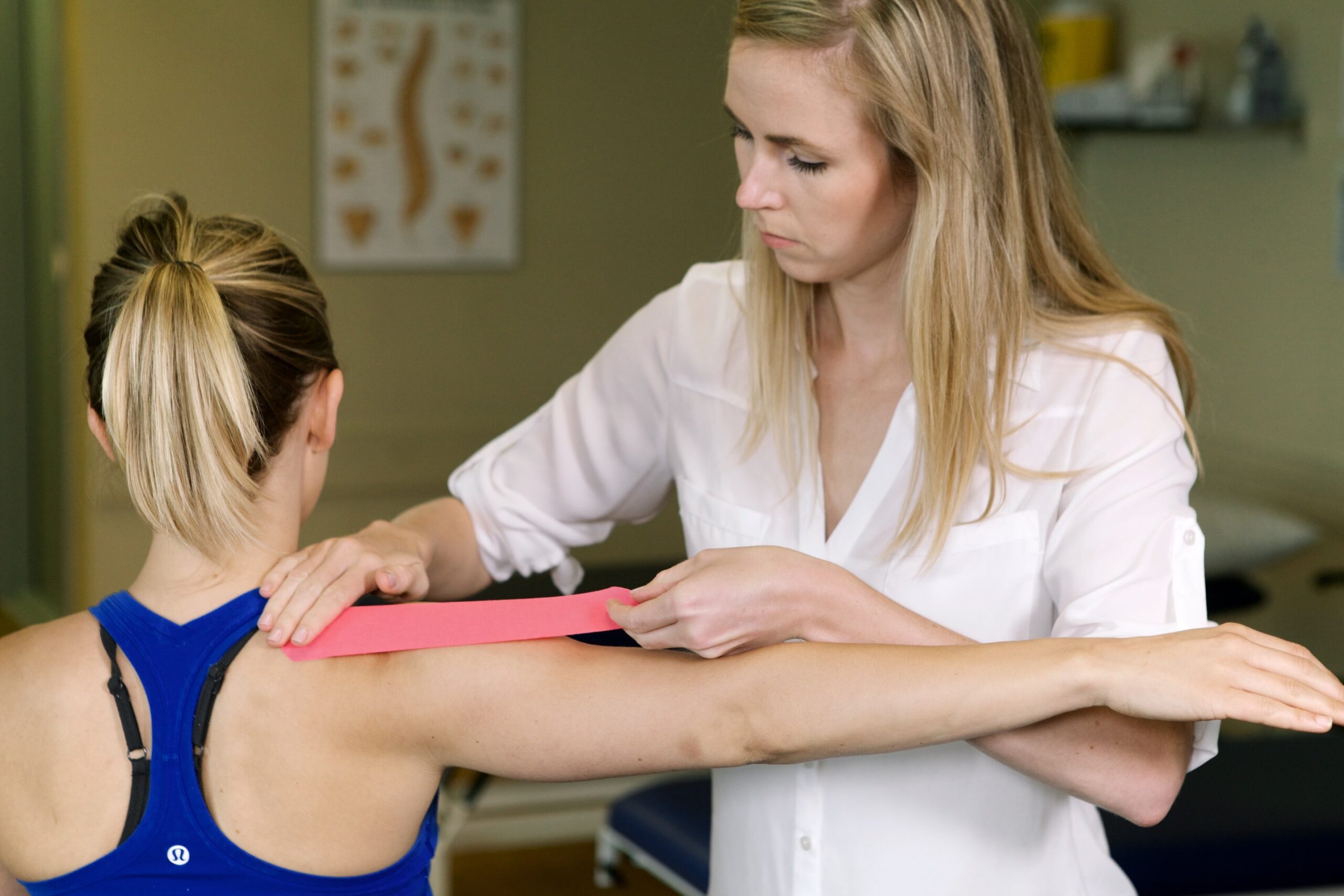
- We’ll help you manage shoulder pain (especially in the freezing phase) with techniques such as dry needling, Kinesio taping, hot and cold therapy, and more.
Manual Therapy
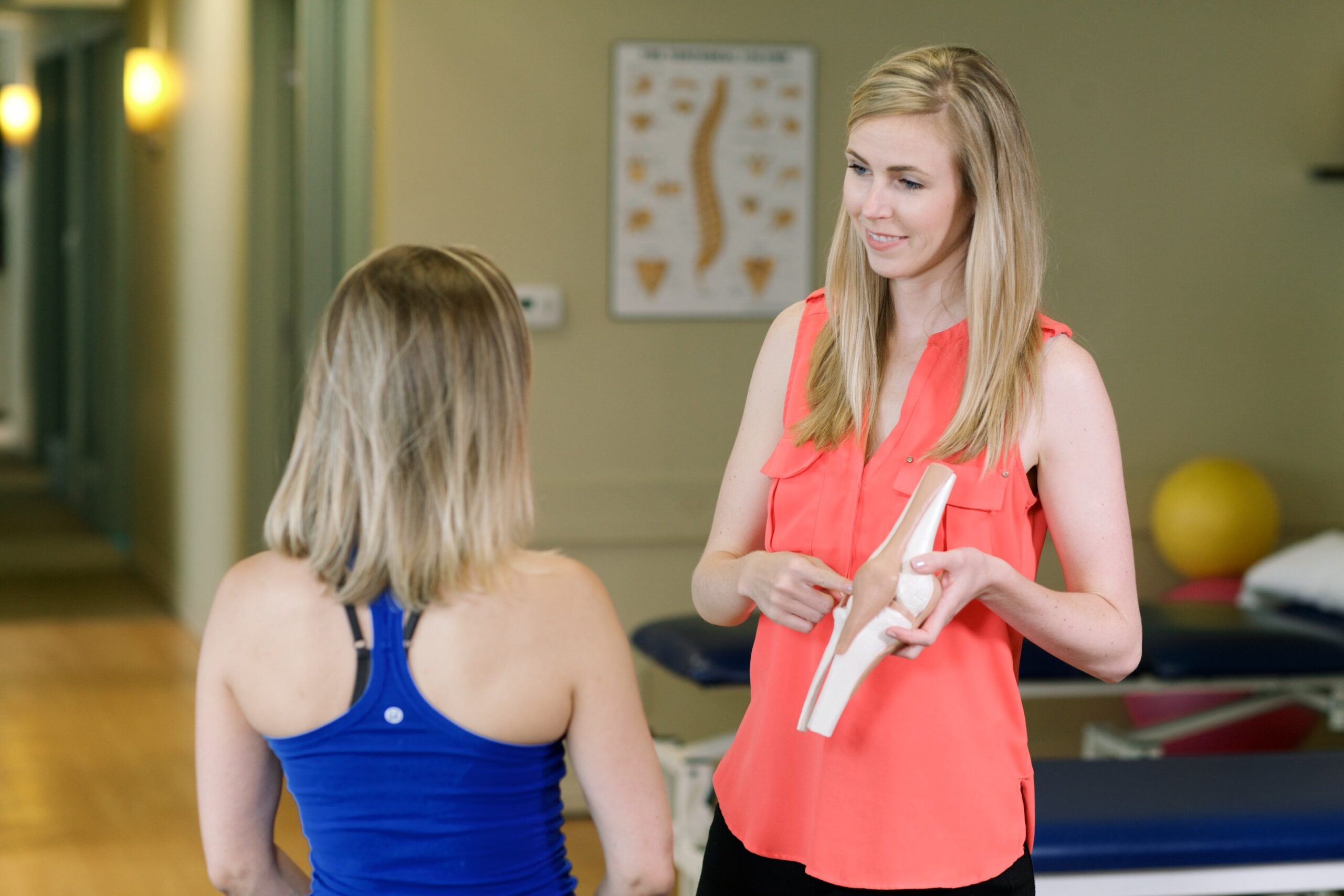
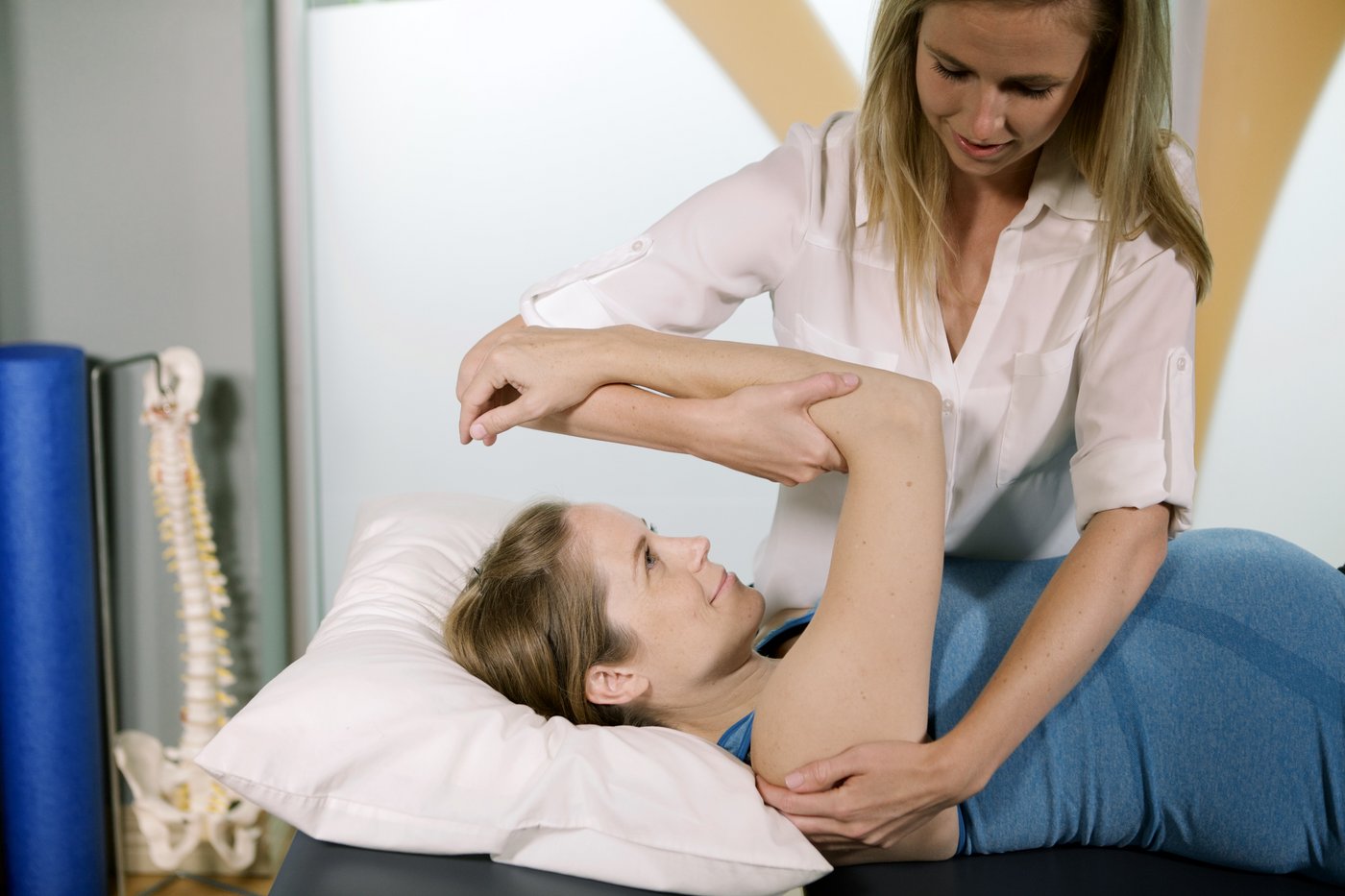
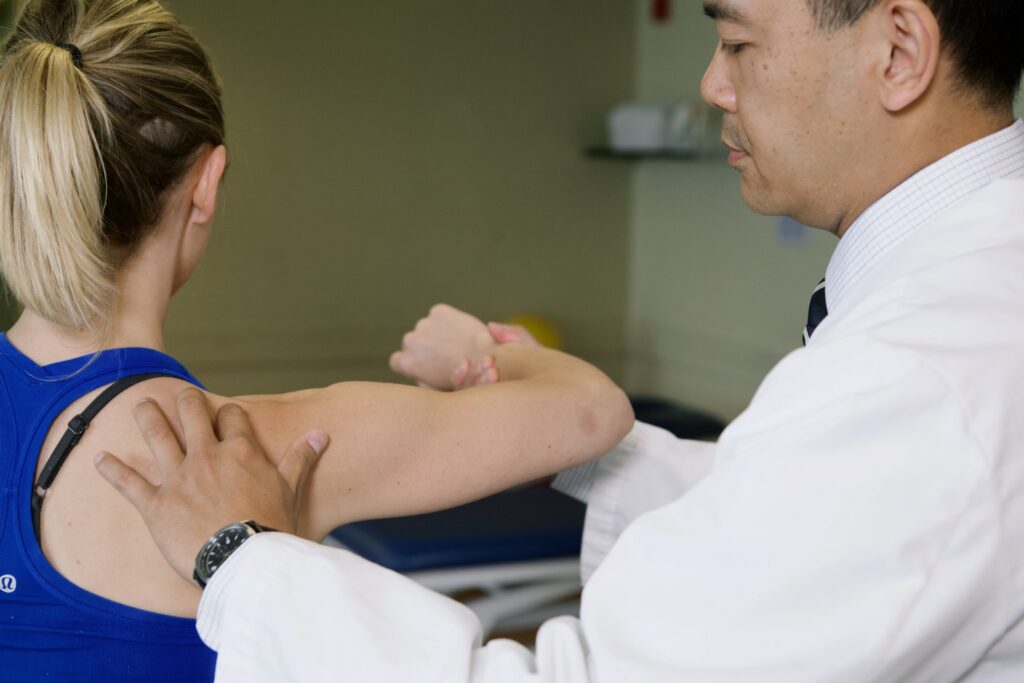
- Various hands-on techniques can gently mobilize the shoulder joint, improve joint capsule movement, and reduce pain.
Mobility Exercises
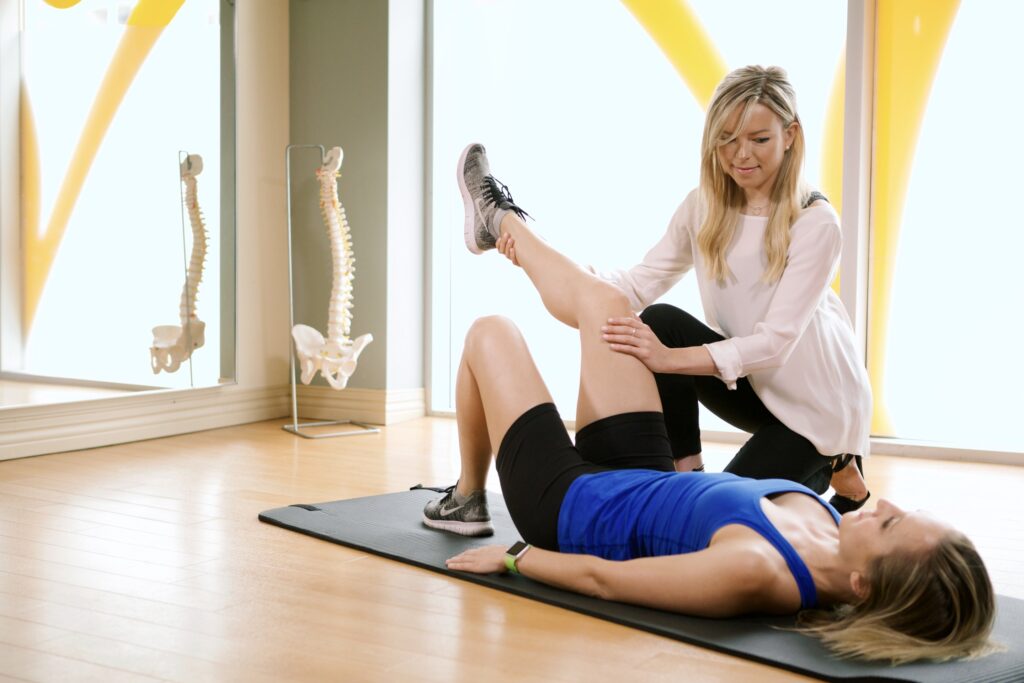
- Targeted exercises and techniques help improve your shoulder’s range of motion in all directions, gradually restoring your ability to reach, lift, and rotate your arm.
Strengthening Exercises
- Strengthening the muscles surrounding the shoulder joint enhances stability and supports improved function.
Management Strategies
- Understanding frozen shoulder is an integral part of managing it. We’ll help you navigate the difficulties of the condition, including identifying which stage you’re in and providing you with home exercises to help alleviate your symptoms.
Ready to Break Free From the Icy Grip of Frozen Shoulder?
If you suspect you have frozen shoulder, schedule an appointment at PhysioPlus Health Group. Physiotherapy is essential for managing the condition in all three phases, and the earlier you can begin treatment, the better your outcomes will be. Our team is here to help you manage pain, restore mobility, and understand your shoulder’s movement patterns.
Don’t let frozen shoulder hold you back. Call us today to schedule your initial evaluation!
Sources: https://www.ncbi.nlm.nih.gov/pmc/articles/PMC7031440/
The Complexity of the Shoulder Joint
Did you know the shoulder is the most mobile joint in the human body? This unique ball-and-socket joint allows for an impressive range of motion so you can reach overhead, throw a baseball, or go for a swim.
Unfortunately, this incredible mobility comes at a cost: instability and a high likelihood of injury. But if you understand the complexity of your shoulder joint, you’ll be well on your way to protecting it from damage.
How the Shoulder Joint Works
The shoulder joins three bones together in two different joints. The head of your upper arm bone fits in the shallow socket of your shoulder blade, forming the main joint of your shoulder. Your collarbone then connects the shoulder blade to your rib cage, forming the second joint.
However, several soft tissues also play a role in shoulder function, helping to provide additional support and stability:
Rotator Cuff
- A group of muscles and their tendons that surround the shoulder joint, providing stability and controlling movement.
Labrum
- A ring of cartilage that protects the shoulder socket.
Ligaments
- Bands of connective tissue that connect bones and provide support.
Additional Muscles
- In addition to your rotator cuff, numerous chest and upper back muscles contribute to shoulder movement and stability.
Understanding Shoulder Injuries
With all these moving parts, it’s no surprise that the shoulder is so vulnerable to injury! There are two main types of shoulder injuries you need to be aware of:
Acute Injuries
- These injuries happen suddenly, often due to a fall or direct blow to the shoulder. Examples include fractures, dislocations, or labral tears.
Overuse Injuries
- Overuse injuries develop due to repetitive overhead motions that strain the tissues in the shoulder, particularly the rotator cuff. They’re particularly common in sports like swimming, baseball, or weightlifting.
That said, not all shoulder injuries develop due to injuries. Degenerative changes in the shoulder joint, including age-related wear and tear or underlying conditions like arthritis, can cause the protective cartilage to break down, leading to pain and restricted mobility.
Dealing with Shoulder Pain? We Can Help
Regardless of the reason for your shoulder discomfort, the team at PhysioPlus Health Group can help you find lasting relief. Our physiotherapists have the knowledge and expertise to treat a range of shoulder injuries, help you rehabilitate after shoulder surgery, or teach you how to effectively manage degenerative conditions.
Schedule an appointment with us today to get started!
Complimentary Live Online Workshop
FREE Online Dizziness & Vertigo Workshop
Feeling dizzy, off-balance, or like the room is spinning?
Dizziness and vertigo can make everyday activities feel difficult and frustrating. Whether you experience symptoms when getting out of bed, turning your head, walking, or even using your phone, understanding what is causing your symptoms is the first step toward feeling better.
Join us for a FREE Online Dizziness, Vertigo & Balance Workshop and learn practical strategies you can use to better manage your symptoms.
What You Will Learn
- The difference between dizziness and vertigo
- Common causes, including BPPV
- How vestibular physiotherapy can help
- Three things you can do now to manage your symptoms
- Live Q&A with our experts
Meet Our Experts

Jennifer McConvey
Physiotherapist

Dr. Jeff Belgue
Chiropractor
If dizziness or balance problems are affecting your daily life, this workshop is for you. Join us from the comfort of your own home and take the first step toward better balance, confidence, and understanding of your symptoms.
Celebrating Every Win
Patient Graduation
Congratulations on reaching this milestone. We are proud to celebrate the dedication, progress, and hard work that helped make this moment possible.
Professional Physiotherapy Care in the Comfort of Your Home
If getting to the clinic is difficult, PhysioPlus Health Group brings expert care directly to you with convenient In-Home Physiotherapy services. Our Registered Physiotherapists and Physio-Pilates Instructors provide personalized treatment in the comfort and privacy of your own home, helping patients recover from surgery, manage chronic pain, improve balance, prevent falls, and regain strength and mobility.
In-home care is ideal for individuals recovering from procedures like knee or hip replacements, those dealing with neurological conditions such as stroke or Parkinson’s disease, or seniors experiencing weakness or balance concerns. With flexible scheduling, reduced travel, and one-on-one attention, our team makes it easier than ever to access high-quality rehabilitation and wellness services when you need them most.
Modern Chiropractic Care: More Than Just Back Pain
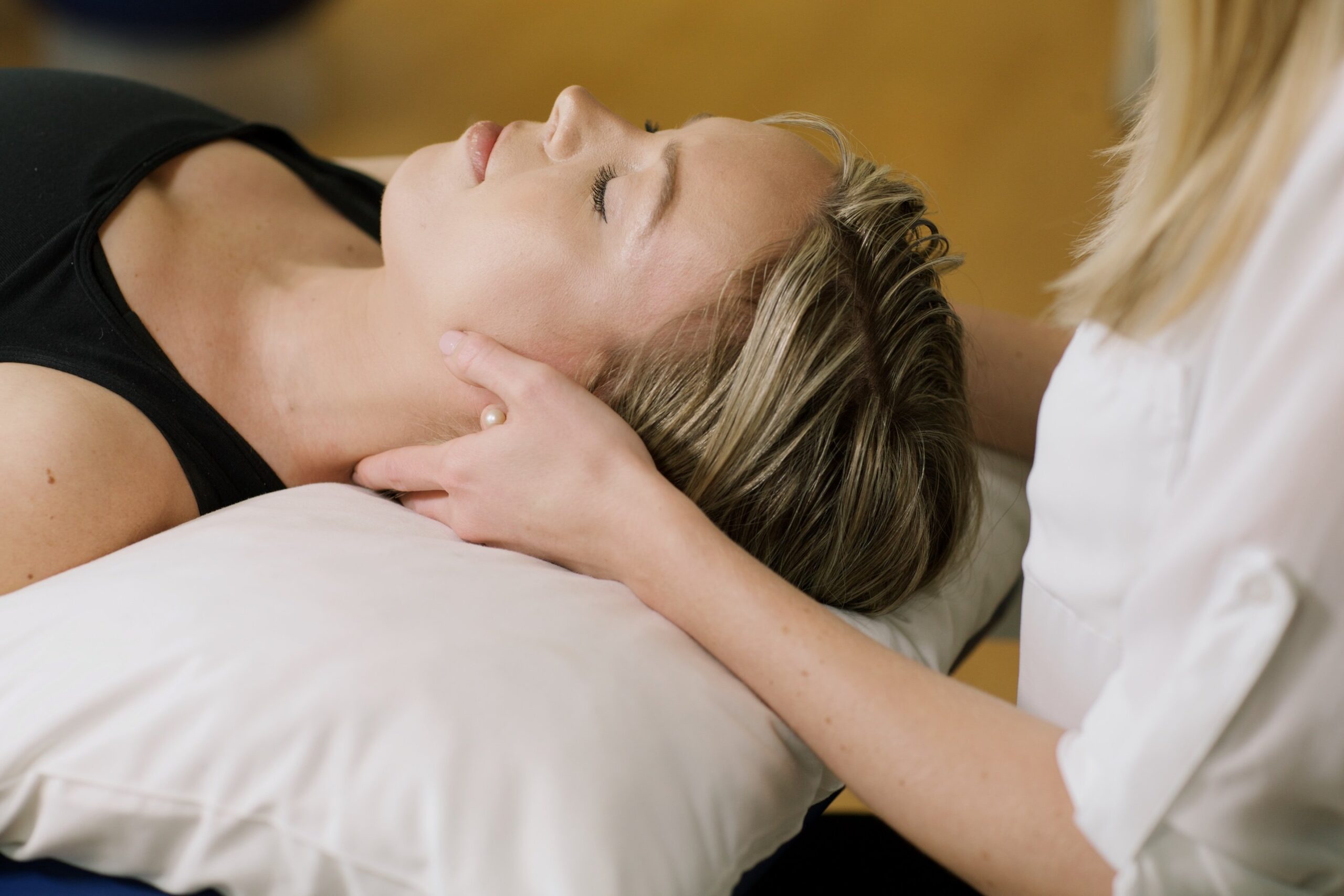
When many people think of chiropractic care, they picture spinal adjustments for back pain. While adjustments can be an effective treatment option, modern chiropractic care has evolved into a comprehensive approach focused on improving movement, reducing pain, and helping you return to the activities you enjoy.
Today’s chiropractors are trained to assess and treat conditions affecting the muscles, joints, nerves, tendons, and bones throughout the entire body, not just the spine. Whether you’re dealing with neck pain, headaches, shoulder discomfort, knee pain, sciatica, or reduced mobility, chiropractic care may be able to help identify the root cause of your symptoms rather than simply masking them.
Treatment is highly individualized and may include hands-on joint and soft tissue techniques, therapeutic exercise, stretching, acupuncture, laser therapy, ultrasound, electrical stimulation, and education on posture, movement, and injury prevention. While spinal adjustments remain one tool available, they are not required for every patient or every condition. Your chiropractor will recommend the treatments that best fit your needs and comfort level.
Chiropractic care also shares many similarities with physiotherapy, with both professions emphasizing thorough assessments, evidence-informed treatment, exercise, and long-term recovery. The ultimate goal is to restore function, improve mobility, reduce pain, and help prevent future injuries.
If aches, stiffness, or limited movement are keeping you from living life to the fullest, chiropractic care may be a safe option to help you move with greater confidence and comfort.

10-Minute Sausage Skillet with Cherry Tomatoes and Broccolini
This one-pan dinner has a nice buttery sauce, so serve it with some crusty bread for mopping.
Ingredients:
- 1 tablespoon olive oil
- 12 ounces fully cooked Italian sausage (about 4 links), sliced into 1/4″-thick coins
- 2 pints cherry tomatoes
- 2 garlic cloves, pressed or finely chopped
- 4 sprigs thyme
- 2 bunches broccolini (about 1 pound), trimmed, halved lengthwise
- 1/2 teaspoon kosher salt
- 1/4 teaspoon freshly ground black pepper
- 3 tablespoons unsalted butter, cubed
- Crusty bread (for serving; optional)
Instructions:
- Heat oil in a large skillet over medium-high. Add sausage and cook, stirring occasionally, until lightly browned, about 2 minutes. Add tomatoes, garlic, and thyme, stir to combine, and cook, pressing down on some of the tomatoes with the back of a wooden spoon to encourage bursting, 2 minutes. Add broccolini; season with salt and pepper. Cook, covered, 2 minutes. Remove from heat and stir in butter until melted.
- Divide sausage mixture among plates. Serve with bread alongside, if desired.