
6 Ways to Manage Hip Arthritis Without Surgery!


Hip arthritis is a common condition that affects many people worldwide. It’s caused by gradual wear and tear on the joint that causes inflammation, pain and stiffness. This can result in reduced range of motion in the hip.
Hip arthritis commonly affects people as they age, but it can also be caused by injury or other underlying health conditions.
How Do I Know If I Have Hip Arthritis?
Here are some of the commons symptoms of hip arthritis:
- Pain: Pain in the hip joint or groin pain, especially with movement, is the most common symptom of hip arthritis.
- Stiffness: The hip joint may feel stiff, especially after periods of inactivity, and often it will feel very stiff first thing in the morning.
- Decreased range of motion: People with hip arthritis may experience decreased flexibility and difficulty moving the hip through its full range of motion.
- Crunching or grinding sensation: Some people with hip arthritis may feel or hear a crunching or grinding sensation when they move the hip joint.
Common risk factors for hip arthritis include:
- Age: The risk of hip arthritis increases with age due to wear and tear we place on our joints with day-to-day activities and sports.
- Genetics: A family history of hip arthritis may increase the risk for developing arthritis.
- Previous hip injury: People who have sustained a hip injury in the past may be at higher risk for developing hip arthritis later in life.
- Obesity: Excess weight places additional stress on the hip joint, which can increase the risk of developing hip arthritis.
If you think you have hip arthritis, it’s important to get a proper assessment by a physiotherapist or chiropractor. They will take a detailed history of your pain, assess how your hip is moving with different tests, and can help diagnose any other issues. They might also refer you to your doctor to get an X-ray or other imaging tests if necessary.
What Surgery Is Used to Help Manage Hip Arthritis?
Many people often get total hip replacements to manage hip arthritis. Total hip replacements (THRs) are a surgical procedure in which the damaged hip joint is replaced with an artificial joint. The goal of the procedure is to relieve pain, improve mobility, and restore function to the hip joint.

In 2019-2020, there were about 40,000 THRs performed in Canada. While they can be helpful for lots of people, it’s important to remember that each person’s experience with hip arthritis, and overall health is unique, and that surgery may not be appropriate for everyone.
The good news is that there are many ways to help manage arthritis without the need for surgery.
6 Ways to Manage Hip Arthritis Without Surgery
1. Keep moving!
Staying active can be one of the best ways to help maintain your function and stay strong. Continuing to walk, cycle, or run can be great ways of getting in physical activity, and keep the hip moving.
Although it may be painful and difficult, it doesn’t mean that you’re making your arthritis worse – in fact, it is important to keep active and your hip moving in order to reduce the progression of arthritis.
Your physiotherapist or chiropractor can help reduce your pain through modalities, manual therapy, and activity modifications and can help you stay active.

2. Strengthen your hip, knee and core
It’s important to do exercises to help keep the muscles that support your hip strong. Exercises can also help improve flexibility, and range of motion of the hip joint, reducing pain and improving overall function.
Also, if you do need to have hip replacement surgery, having strong supporting muscles can also help quicken your recovery. Your physiotherapist or chiropractor can determine which exercises are right for you, how often to do them, and can ensure you are doing them with proper form.
The GLA:D program is a 6-week program that’s run in many different countries worldwide and has been proven to reduce pain and improve function in people with hip and knee arthritis. Ask your physiotherapist or chiropractor about the GLAD program and they can determine if it is right for you!
View this post on Instagram
3. Physiotherapy for hip arthritis
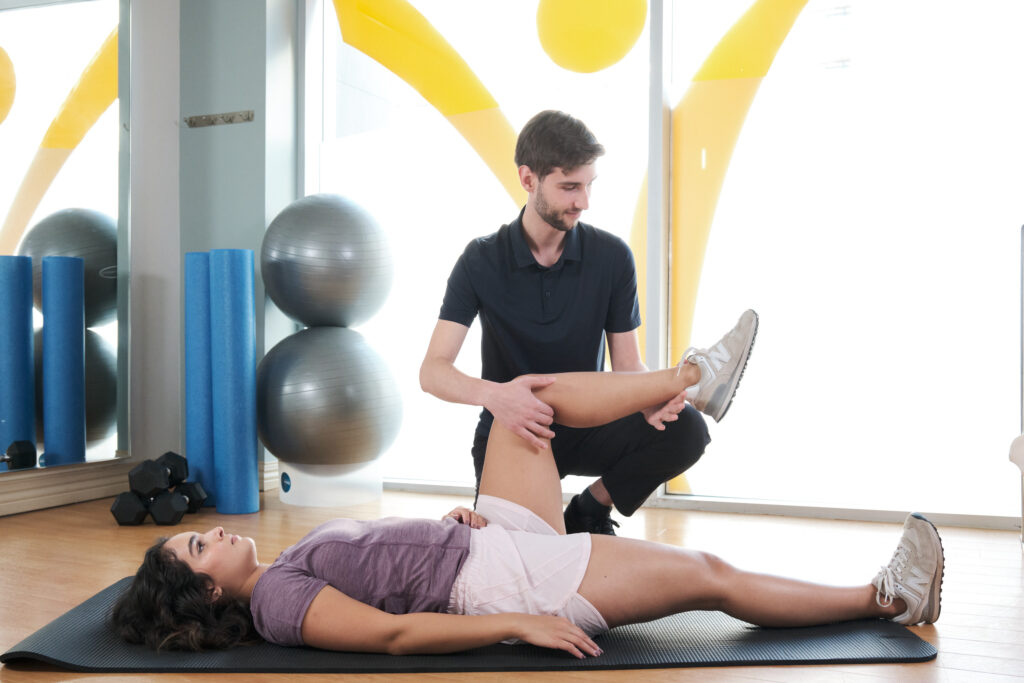
Physiotherapy is an effective way to reduce pain from hip arthritis. Physiotherapy treatment for hip arthritis typically consists of a combination of hands on treatment to release tightness in the muscles around the hip, leg and back, joint mobility techniques to restore movement in the hip and back, as well as modalities such as shockwave, acupuncture or laser to help reduce inflammation. A physiotherapist will also teach you about the dos and donts when it comes to hip arthritis so you understand how to take control of your pain
4. Unloader Braces for Hip Arthritis
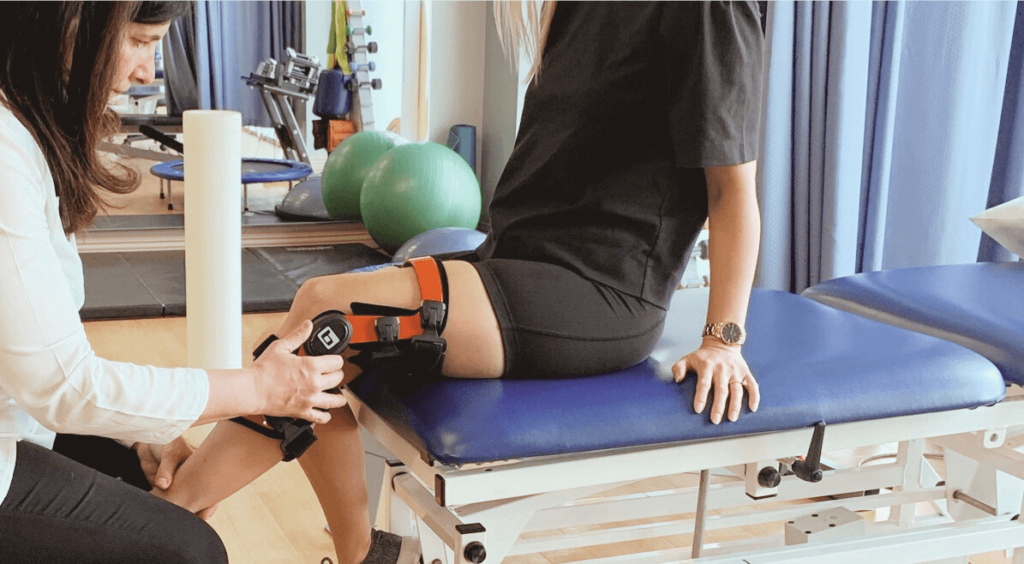
Unloader braces for arthritis has been proven to reduce pain, reduce or delay the need for surgery and improve function. Unloader braces are specifically designed to unload the damaged part of the joint to reduce the bone-on-bone pain and allow you to walk without pain. They can be a great option used in combination with physiotherapy to help you get moving again.
5. Assistive devices
Using a cane or walker can be very useful tools to help manage hip arthritis and make it easier to keep you active . Canes help spread out your weight so you’re not putting too much pressure on your hip, which can help reduce pain. Walkers give you even more support, so it’s easier to walk and balance, reducing your risk of falling and hurting yourself. Canes and walkers come in many different shapes, sizes, and materials – your physiotherapist or chiropractor can help you pick the best one that fits your lifestyle, goals, and level of activity!
6. Shockwave Therapy
Shockwave therapy involves using sound waves to stimulate healing and reduce pain in the hip joint. This non-invasive treatment has been shown to be effective in reducing inflammation and pain, as well as improving function in some individuals with hip arthritis. Ask your physiotherapy or chiropractor about incorporating shockwave into your treatment plan.
What to do next?
Remember, everyone is different. Talk to your physiotherapist, chiropractor, or doctor to determine the best treatment for your needs, lifestyle, and goals. Don’t let hip arthritis slow you down—explore these non-surgical options to keep moving and stay active!
Book an appointment today to discuss your personalized hip arthritis management plan!
This blog was written by James Ma, a Physiotherapy student at the University of Toronto
Frequently Asked Questions
How is hip arthritis diagnosed?
Hip arthritis is diagnosed through a combination of patient history, physical examination, and imaging tests such as X-rays or MRI scans. A physiotherapist, chiropractor, or doctor will assess your symptoms and may refer you for imaging to confirm the diagnosis.
Can hip arthritis be prevented?
While you can’t completely prevent hip arthritis, you can reduce your risk by maintaining a healthy weight, staying active, avoiding joint injuries, and practicing good posture. Regular exercise can help keep your hip joints healthy and strong.
How does physiotherapy help with hip arthritis?
Physiotherapy helps by reducing pain, improving movement, and strengthening the muscles around your hip. It includes hands-on treatments, exercises, and techniques like shockwave therapy to manage your symptoms.