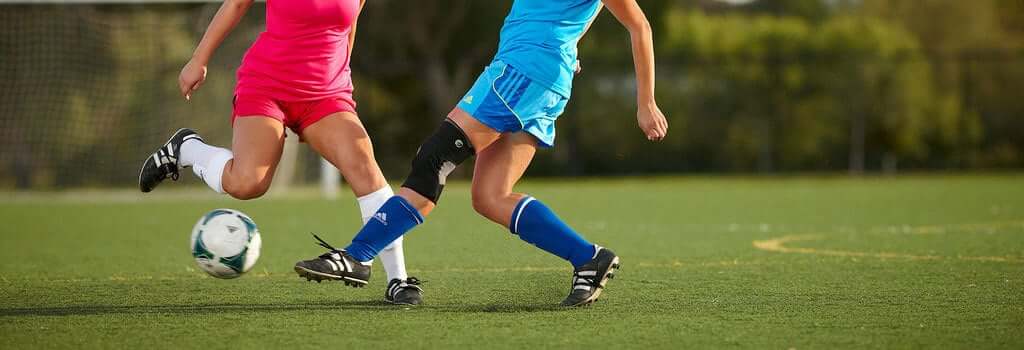
WHAT IS A SPORTS INJURY?
A sports injury is when you get hurt while participating in a physical activity or sport. These injuries can happen in various ways, such as from accidents, overuse, or not using proper techniques.
Common sports injuries include sprained ankles, pulled muscles, and bruises. They can range from minor to severe, and getting the right treatment and rest is essential to recover and get back to your sport safely.
WHAT ARE THE MOST COMMON CAUSES OF SPORTS INJURIES?
Sports injuries can have various causes. One common cause is accidents, like a fall or collision with another player. Overuse of certain muscles or joints can also lead to injuries, as repetitive motions can strain the body over time.
Not using proper technique or equipment, such as wearing the right shoes or protective gear, can increase the risk of injury. Additionally, pushing your body too hard or not giving it enough time to rest and recover between activities can lead to sports injuries.
Another factor contributing to sports injuries is lack of conditioning. If your muscles and joints aren’t strong and flexible, they may not be able to handle the demands of your sport, making you more susceptible to injury. Similarly, not warming up properly before exercising or playing can increase the risk of strains or sprains.
Understanding the specific causes of sports injuries and taking steps to prevent them, such as practicing good technique, conditioning your body, and using appropriate gear, can help you enjoy physical activities safely and reduce the chances of getting hurt.
WHAT ARE THE MOST Common TYPES OF sports injuries
There are a number of different injuries that can occur while performing athletic activity.
However, the most common forms of sports injury include:
Knee injuries
Your knee is the most complicated joint in the body and it is also one of the areas that get injured most often.
Knee injuries can include dull aches that extend from your hip to your knee, injuries that make moving the knee painful, or more serious injuries such as an ACL tear.
Sprain
When a ligament linking one bone to another is stretched beyond its limits, a sprain occurs. When it happens one time, it’s more likely to happen again.
Shin splints
Medial tibial stress syndrome is the medical term for shin splints. Usually, this pain is caused by tension exerted on the shinbone and the underlying connective tissues.
Shin splints are painful and frequently debilitating, but by wearing proper footwear, warming up before exercise, and strengthening the muscles of the heart and leg, you can prevent them.
Strain or “pulled muscle”
A strain is often referred to as a “pulled muscle” which happens when the muscle is extended beyond its limits by a tendon binding your muscle to the bone. Once the tendon has been overstretched, it is more likely to be stressed again.
WHAT IS THE BEST TREATMENT FOR SPORTS INJURIES?
For minor injuries like sprains, strains, or bruises, the R.I.C.E. method can be helpful: rest, ice, compression, and elevation. Resting the injured area and applying ice can reduce swelling and pain. Compression with a bandage and keeping the injured area elevated can also aid in reducing swelling. Over-the-counter pain relievers may provide temporary relief.
For more severe sports injuries, it’s essential to seek medical attention. A healthcare professional can provide a proper diagnosis and recommend the most suitable treatment, which may include physiotherapy.
Physiotherapy can be highly effective in helping you regain strength, flexibility, and mobility after a sports injury. A trained physiotherapist will create a personalized treatment plan to address your specific injury and guide you through a safe recovery so you can return to your sport as quickly as possible.
Regardless of the injury, it’s crucial to follow your healthcare provider’s guidance, including any prescribed physiotherapy sessions, to ensure a successful and speedy recovery.
WHAT CAN PHYSIOTHERAPY DO FOR ME?
One of the best things you can do in the event of a sports injury is to treat it as soon as possible. The word “sports injury” is all-encompassing, including any kind of injury that occurs during physical activity.
Our Bloor West Village and Kingsway physiotherapists and chiropractors are movement specialists. They can help you achieve your physical goals. In order to help you get back in the game as soon as possible, they will recommend an individualized treatment plan based on your personal needs.
In order to improve your range of motion and minimize scar tissue, your treatment plan may include manual therapy, stretching to improve balance and mobility, and strengthening exercises to improve the affected area and surrounding areas.
First, a therapist will perform a series of tests and ask you questions about your medical history, symptoms, and goals. Any diagnostic tests you’ve received, such as X-rays, MRIs, or ultrasounds, will also be reviewed. The essence of your injury, fitness level, and lifestyle will also be taken into account when your treatment plan is developed.
All of these steps are taken in order to help you heal and prevent more injuries from occurring in the future after a sports injury.
Have you sustained a sports injury recently? If so, please feel free to schedule an appointment at PhysioPlus Health Group.
WHY PHYSIOTHERAPY IS IMPORTANT FOR SPORTS INJURIES
One of the best things you can do in the event of a sports injury is to treat it as soon as possible. The word “sports injury” is all-encompassing, including any kind of injury that occurs during physical activity.
Whether you’re lifting heavy weights in the gym, running in improper shoes, swinging a bat too hard, or rolling your ankles on the soccer field, our Bloor West Village and The Kingsway physiotherapy practice can provide you with the relief you need.
Depending on how serious the injury is, your health history, and whether or not the injury requires surgery, your care plan and recovery period may vary.
HOW TO PREVENT SPORTS INJURIES IN THE FUTURE?
Preventing sports injuries is crucial for maintaining an active and healthy lifestyle. To minimize the risk of injuries in the future, consider the following key strategies:
- Dynamic Warm-Up: Always start with a proper warm-up that gets you moving before playing your sport
- Safety Gear: Wear appropriate safety gear, such as helmets, pads, or supportive footwear, as needed for your sport
- Technique Matters: Practice good technique and form to reduce the risk of strains or sprains
- Conditioning Exercises: Regularly perform conditioning exercises to strengthen and increase flexibility in your muscles and joints
- Cross-Training: Include cross-training or a variety of physical activities to balance muscle development and reduce overuse injuries
- Rest and Recovery: Listen to your body and allow it to rest and recover between activities.