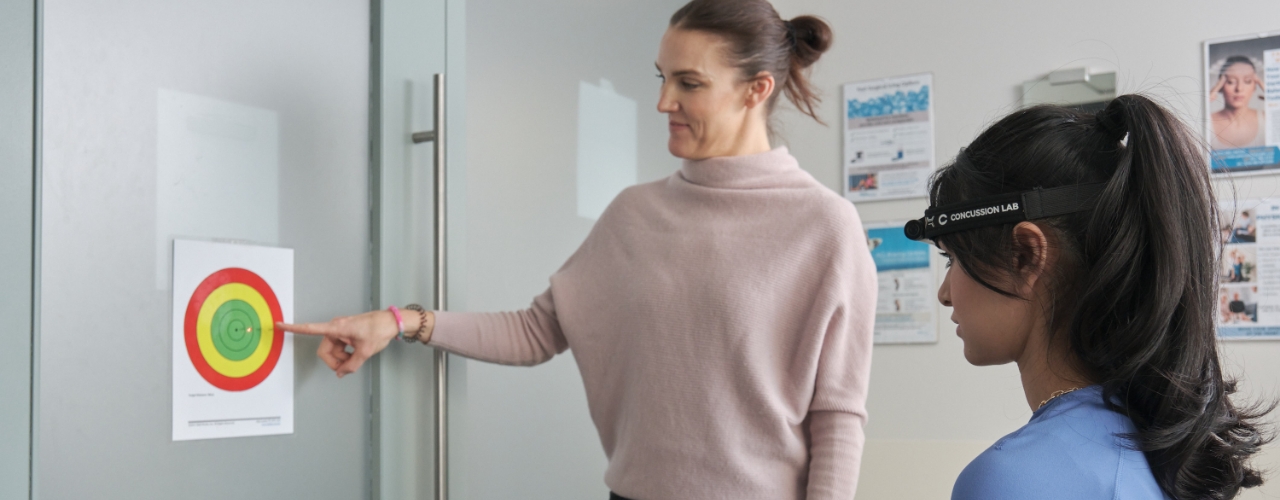
Everything from the first call to reception, to my first appointment was an absolute pleasure. This place is top notch and they really make you feel comfortable. I saw Jen for some ongoing dizziness issues and she was amazing. Genuine, caring, and does an incredible job explaining everything. Thank you so so much!! I’d recommend to anyone.
- Vern P.
"My only regret is not booking sooner."
If you have dizziness and/or balance issues, do yourself a favour and book an appointment with Jen McConvey. She is a lovely and caring person and really, really good at her job. I’m very grateful. My only regret is not booking sooner.
- Tim M.
"Without her help, I would not be living pain free!"
Jennifer was such a valuable resource for me when I felt I had exhausted all other resources as I chased treatment for vertigo and migraines. Without her help, I would not be living pain free!
- Jon M.
DIZZINESS CAN MAKE LIFE DIFFICULT – PHYSIOTHERAPY CAN HELP
We’ve all had dizziness before, and we know dizziness can make life difficult. We can’t concentrate, can’t see straight, and can’t stay upright without swaying or falling over. Many of us have even experienced “tunnel vision,” where your peripheral vision goes dark for a few seconds. Most of the time this feeling happens when we get up too quickly. It might be disorienting, but it usually goes away shortly.
Dizziness is normal. Vertigo, though, is a bit different. Dizziness is typically synonymous with “lightheadedness,” which produces the illusion of being unsteady, Vertigo is typically a physiological factor reaction that causes a literal loss of balance in your body.
Does your dizziness do more than disorient you for a few seconds? Do you feel as if you’re “rocking” or “spinning,” even when you are sitting? Is it having an effect on your everyday life?
If you’re saying “yes,” you would benefit from seeing a Vestibular Physiotherapist at our Bloor West Village and Kingsway clinic to find a long-term solution to your problem.
Contact us today to book an appointment with Jennifer or Sarah…or ask about a complimentary 15-minute consultation where you speak to a one of them, ask questions and get honest treatment advice.
What is the Vestibular System and its connection to dizziness?
The vestibular system functions automatically in the background. It is part of many important reflexes, meaning when stimulated, it triggers a response without conscious thought! Specifically, the vestibular-ocular reflex (VOR) and Vestibulospinal reflex (VSR) work to ensure that you have clear vision during head movements and maintain posture and stability.
In sports, your sense of balance is constantly fed information to your brain. Think about a hockey player who has got to skate backward, move their head to watch the players, then find the puck moving along the ice while standing on an unstable surface. That’s what happens when our vestibular system works at its best!
The main part of the vestibular system is called the vestibular labyrinth. This is made up of 2 main parts:
Semicircular canals – these winding canals are filled with fluid and can detect your various head movements.
Otolith organ – these organs detect movement when crystals within our inner ear move and shift. This organ detects gravity and forward and backward movements
When there is dysfunction within any of those aspects then fast movements might cause your brain and vestibular system to not communicate effectively and trigger vertigo symptoms.
How can physiotherapy help relieve dizziness and vertigo?
Dizziness and vertigo can impact your everyday life, limiting your ability to perform even the simplest tasks – if you let them do so.
Fortunately, whatever the cause of the imbalance may be, vestibular physiotherapy for dizziness and vertigo can help.
PhysioPlus Health Group is very effective in diagnosing and treating both dizziness and vertigo. Vestibular therapy consists of targeted treatment options such as Epley and Cawthorne head exercises.
The Epley Maneuver helps with canalith repositioning in order to transfer damaged calcium crystals. Cawthorne head exercises focus on decreasing nerve sensitivity and reducing vertiginous effects.
Your therapist will evaluate your condition and create a customized treatment plan that will address your concerns and make you feel steady on your feet.
This is the most common source of vertigo. It happens when tiny calcium crystals in your ears break apart and travel around to various areas of the ear where they are not supposed to be. This can cause sudden spinning (vertigo) and inner-ear discomfort.
Migraines
Migraines may have an effect on the vestibular system, resulting in vertigo episodes that may be associated with a reaction to light or sound. Vision can also be affected.
Vestibular neuritis
This is an inner-ear infection that can cause vertigo.
Meniere’s disease
This happens as the fluid builds up in your ear (s). This normally involves “ringing” in the ear and unexpected waves of extreme dizziness that can last for hours. You can also experience temporary hearing loss.
Stroke
A stroke influences the movement of the whole body. If you have recently had a stroke, you can feel vertigo waves that can last for prolonged periods of time.
This specialized service is provided by our certified Vestibular Physiotherapist and is intended to help with dizziness, vertigo, and balance disorders. Vestibular physiotherapy can reduce vertigo and dizziness, instability, or imbalance and prevent falls by restoring the normal function of the vestibular (inner ear) so you can get your life back.
Vertigo is most commonly caused by an imbalance in the inner ear, also known as the “vestibular system.”
Your vestibular system helps you maintain your balance and center of gravity by sending signals about your movement to your brain.
If this is compromised, the signals required to keep you balanced will be blocked from your brain, and your movement will be affected.
Many who experience vertigo can feel as though the world is spinning around them, that they can’t focus their vision for long periods of time, or that they can’t stand/move properly without feeling like they’re going to fall over.
This can be very frightening and stressful to deal with because it can interfere with your daily routine and lifestyle.
Any of the many causes that may contribute to dizziness include lack of sleep, inadequate diet, over-exercise or physical illness, such as a head cold or flu.
Many things can affect how your vestibular system works and how it communicates with your brain. For example Aging, hitting your head, viruses, concussions, migraines, or tumors.
Here are some of the common symptoms you might feel if you have a dysfunction in your vestibular system:
So how do we fix this problem? It depends on the source for your symptoms! The most crucial first step is figuring out the origin of YOUR balance issues. This way you can receive the correct treatment as soon as possible! A qualified Vestibular Physiotherapist is just the individual to assist you figure out the root cause of your troubles! Then begin some rehabilitation!
Dizziness can also result from anything as basic as standing up too quickly after a prolonged period of rest. Some of the following signs of dizziness may include:
Light-headedness or heavy-headedness
Vision temporarily affected (i.e. tunnel vision)
Feeling bleak or faint
Balance Loss
The best way to know the source of your dizziness is to visit a doctor. There may be another underlying factor you don’t know about.
You may also look out for these other specific symptoms as well in regard to vertigo:
While not commonly known, Vestibular Physiotherapists, are one of the few healthcare providers that treat a variety of balance, dizziness, and vertigo conditions! They use manual techniques as well as home exercises to either correct or to teach your body to accommodate for deficits.
Common medical conditions treated by Vestibular Physiotherapists include:
BPPV (Benign Paroxysmal Positional Vertigo)
Vestibular neuritis
Vestibular migraine
Meniere’s disease
Persistent Symptoms Post Concussion
Cervicogenic Dizziness
Age-related decline
To learn more, check out this blog on Vestibular Rehabilitation to see if it can help YOU feel better today!
For example, the goal for VRT is to increase: gaze stability, posturography, dizziness, and eventually your Activities of Daily Living!
Manual maneuvers as well as visual and proprioception (body positioning/movements) are key pieces of VESTIBULAR REHABILITATION THERAPY. It is important that they are performed under the direction a specialized vestibular specialist to ensure it resolves the issue and doesn’t make things worse!
ARE YOU READY TO GET BACK ON YOUR FEET TODAY?
Our innovative procedures and diagnostic techniques have earned us a reputation as one of the most effective Toronto physiotherapy practices in the treatment of dizziness and vertigo.
Choosing the right physiotherapist can be a big decision. We’re dedicated to answering any questions you have to help you make the best choice. Contact us today and ask us anything!
Is my dizziness or vertigo related to a vestibular condition?
A thorough evaluation from a vestibular therapist or specialist is essential to determining if your dizziness or vertigo is caused by a vestibular problem, some other cause, or a combination of factors. During your initial evaluation at PhysioPlus, your therapist will perform tests and measures to, not only identify the underlying causes of your symptoms, but also to ID any presentations that warrant additional referrals.
How long does it take for vestibular physiotherapy to work?
Some vestibular conditions, such as BPPV, can be cured in as few as 1 to 3 visits, while other conditions may take longer. We often see patients 1 to 2 times a week to start with, and then decrease the frequency as you progress.
Performing the exercises regularly is an important part of the treatment plan in vestibular rehabilitation therapy. This means the more regular you are with your exercises, the faster and more complete your recovery will be.
At PhysioPlus Health Group, we take your specific diagnosis, goals and lifestyle into consideration when creating your plan of care and home exercise program.
How should I prepare for my first vestibular rehabilitation appointment?
This can vary based on factors such as diagnosis, symptoms, activity level and compliance. Most often, we see patients 1 to 2 times a week to start with the frequency declining as you progress. As mentioned earlier, some vestibular diagnoses such as BPPV, can be cured quickly in 1 to 3 visits, where other diagnoses may require a longer treatment plan of care. At PhysioPlus, each individual’s lifestyle, diagnosis and goals are taken into account when formulating their plan of care.