
Here’s What a Pelvic Floor Physiotherapist Does…and Why You Might Benefit from Seeing One!


Pelvic floor physiotherapist, pelvic health physiotherapist, pelvic floor physical therapist, and pelvic floor physio… they all mean the same thing! But what exactly is a pelvic floor physiotherapist and what do they actually do?
What is a Pelvic Floor Physiotherapist?
Pelvic floor physiotherapists specialize in treating people with pelvic floor dysfunction and pelvic pain. Check this blog out if you want to learn more about what the pelvic floor is.
Here are some conditions a pelvic floor physiotherapist can help you with:
- Leaky bladder, stress, and urge urinary incontinence
- Sexual dysfunction including pain with intercourse, erectile dysfunction, and vaginismus
- Diastasis recti (abdominal separation)
- Prostatitis
- Low back pain
- Pelvic organ prolapse
- Endometriosis
- Preparation during pregnancy
- Postnatal elated pain or conditions
If you’re struggling with any of these issues or you think you might have symptoms related to these conditions, you could have pelvic floor dysfunction. Not to worry though, pelvic floor dysfunction is a condition that is 100% treatable. Read on to learn more!

What Kind of Treatment Can I Expect from Pelvic Floor Physiotherapy?
Pelvic floor physiotherapists are trained to provide a wide range of different treatments depending on what your condition is, the severity of the condition, your unique health history, and your individual preferences.
Education
Your pelvic health physiotherapy will talk to you about your pelvic floor issue and help you understand what your condition is, what may have caused it and how pelvic health physiotherapy can help.
Your pelvic floor physiotherapist will answer all your questions and concerns so you can start to take control of your problem and start feeling better.
Pain and Symptom Management
Your pelvic health physiotherapist recommend treatment that will help ease your pain or discomfort.
This can include hands-on treatment like manual therapy, soft tissue release or other techniques such as heat, ice, trans-electrical nerve stimulation (TENS), and more.

Pelvic Floor Exercises
When you’re experiencing pelvic floor related symptoms, your pelvic floor muscles and structures are usually not functioning well.
This means that your pelvic floor muscles could be weak, tight, or have poor coordination. Pelvic floor exercises can help retrain and strengthen these muscles in order to help treat your condition, relieve your symptoms, and prevent these symptoms from coming back.
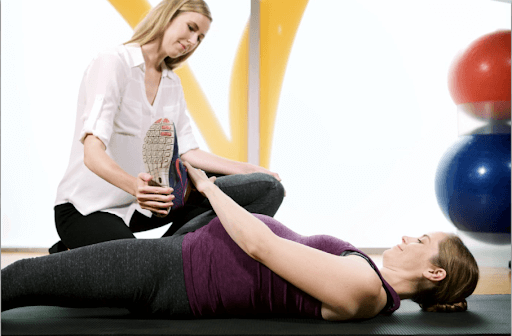
Other Treatments?
There are many other treatments that can help treat your pelvic floor condition.
Should I Be Doing Pelvic Floor Physiotherapy If I’m Pregnant?
Yes! Pelvic floor physiotherapy benefits anyone who is pregnant to help manage symptoms during pregnancy and prepare for birth. Below are reasons why you should be seeing a pelvic floor physiotherapist during pregnancy.
Top 4 Benefits of Pelvic Floor Physiotherapy During Pregnancy
1. Strengthens your pelvic floor during pregnancy
Your pelvic floor takes increased load and pressure when you’re growing a baby.
With stronger pelvic floor muscles, you better able to support your baby and reduce the chances of you developing symptoms associated with weakened or suboptimal functioning of the pelvic floor such as back pain, sciatica, urinary incontinence, pelvic organ prolapse, and pelvic pain.

Click here to learn more about how pelvic floor physiotherapy can help you to connect with your pelvic floor and reduce your symptoms.
2. Prevents or treats urinary incontinence
Issues of urinary leakage are common during and after pregnancy, with a study showing that 1 in 3 women have issues with leaking urine during pregnancy. Although its condition is common, it’s not really normal and can be treated…so you don’t have to put up with this!
Pelvic floor physiotherapy can help address your pregnancy-related incontinence by strengthening and retraining your pelvic floor.

Check out this Pelvic Health Physiotherapist approved exercises you can try if you’ve been experiencing urinary leakage with squatting and jumping postpartum.
3. Helps ease posture related pain
Pregnancy brings many changes to your body, including changes related to your pregnancy.
Your centre of gravity shifts forward as your belly is growing and your body’s natural tendency is to shift back to counterbalance this weight.
Although this posture is common, it can bring upon pain as some of your body’s muscles aren’t in an ideal and supported position.
A pelvic floor physiotherapist can assess your postural alignment and guide you through postural correction in order to ease your postural related pain.

4. Helps you prepare for labour
Giving birth is one of your most important milestones in life and knowing how to prepare for labour can be overwhelming to navigate on your own.
However, a trained pelvic floor physiotherapist can be there every step of the way to help you with your labour preparation.
This can include guiding you through pelvic floor relaxation and breathing techniques, education on the labour process and choosing the best birthing position for you, stretching of the space between your vagina and anus to reduce the changes of tearing during labour, addressing pelvic floor related symptoms, and establishing a baseline to work towards post-labour rehabilitation.

Should I Be Doing Pelvic Floor Physiotherapy After Having A Baby?
Top 4 Benefits of Pelvic Floor Physiotherapy After Pregnancy
1. Prevents or treats abdominal muscle separation (diastasis recti) after pregnancy
Abdominal muscle separation is very common and affects 60% of people who are pregnant or recently post-partum.
This abdominal muscle separation, known as diastasis recti, sometimes resolves on its own after a couple months or it can be longer lasting as well.
It usually presents as a bulge on your stomach that is not painful in and of itself however the associated side effects of this condition can cause pain.
If you think you have this condition, pelvic floor physiotherapy can help to treat your diastasis recti and the typical symptoms associated with it such as low back pain, pain due to postural compensations
urinary leakage, difficulty with everyday tasks like walking, lifting or exercising, and pain with intercourse.
Check out this Instagram post to learn more about how a pelvic health physiotherapist may assess your diastasis recti!
2. Prevents or treats pain with intercourse
No matter what method of childbirth you’ve gone through, pain with intercourse can occur with can be due to a combination of physical or emotional factors.
If you’re still experiencing ongoing pain after your doctor has cleared you to return to sexual activities, you may benefit from pelvic floor physiotherapy.
A pelvic floor physiotherapist can help assess your pelvic floor for any issues and guide you through treatment to reduce pain and ease anxiety so you can return to enjoyable and pain-free intercourse.

3. Helps you get back to your normal activities
After you’ve given birth, your pelvic floor and core may have changed, this can lead to uncomfortable symptoms and pain when you’re doing your everyday activities like caring for your newborn or other children, working, exercising, running errands, and doing house chores.
A pelvic floor physiotherapist will ask you about activities that are most important to you and they’ll develop a treatment plan that helps you to help you feel better and reach your goals.
Click here to learn more about your pelvic pain and how a pelvic floor physiotherapist can help you.

4. Reduce pelvic pain, scar tissue and more!
There can be many different pregnancy and birth related changes that your body goes through. Your body is strong and resilient and is able to recover from these events however some persisting changes can remain and lead to discomfort and pain.
A pelvic floor physiotherapist can guide you in creating the most optimal healing environment to promote better recovery and a healthier postpartum you.
Our licensed Pelvic Health Physiotherapists Michelle and Lauren will be happy to help you.
Click here to request an appointment with a pelvic floor physiotherapist or contact us if you have any further concerns. Let’s prioritize your pelvic floor health today, together.

This blog was written by Anna Zhang, a Physiotherapy student at the University of Toronto
FAQ
Should I Be Exercising During My Pregnancy?
Exercising or performing some sort of physical activity is generally indicated to maintain or improve overall health for most people.
However, each person’s situation is unique, and a pelvic floor physiotherapist and your doctor can work closely together to discuss safe exercise guidelines for you and your baby.
A pelvic floor physiotherapist can guide you through appropriate exercises and safely progress your exercise plan in order to reduce pregnancy-related symptoms and prepare for your baby’s birth.
When Is the Best Time For Me to See a Pelvic Floor Physiotherapist During My Pregnancy?
Pelvic floor physiotherapy is something that can benefit you if you’re thinking of pregnancy, are currently pregnant, or have given birth.
A pelvic floor physiotherapist can see and treat a variety of different pelvic floor symptoms, optimize your pelvic floor for birth, and provide education and treatment to you on how to reduce your pelvic floor symptoms.
A pelvic floor physiotherapist can see and treat a variety of different pelvic floor symptoms, optimize your pelvic floor for birth, and provide education and treatment to you on how to reduce your pelvic floor symptoms.
However, everyone has their own unique health needs, so please reach out to your doctor or contact us for a consultation so you can be provided with the best advice on when to start pelvic floor physiotherapy.
Is Pelvic Floor Physiotherapy Covered by OHIP?
Currently, pelvic floor physiotherapy is generally NOT covered by OHIP. However, many extended health insurance plans have coverage for pelvic floor physiotherapy services at our clinic.
Please note that the coverage of each individual insurance plan is different, so your best bet is to contact your insurance company directly for details. Our office manager would be pleased to help you with any further questions that you may be have at (437) 747-9236.