
Understanding TMJ Dysfunction: Causes, Symptoms, and Treatments
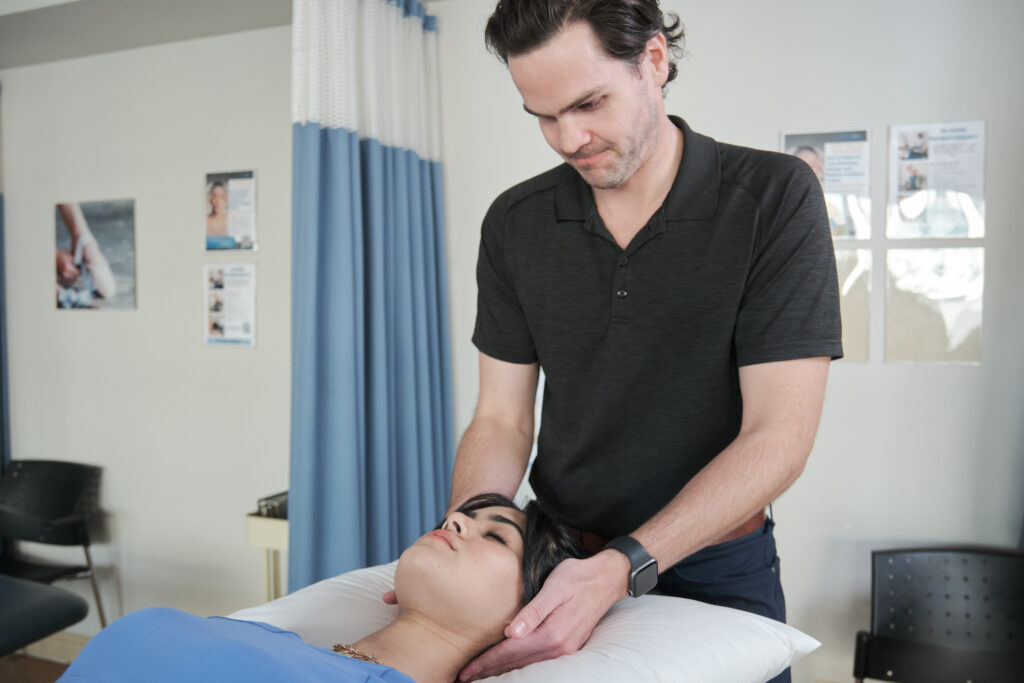

Are you experiencing nagging jaw pain, clicking sounds, or difficulty chewing? You’re not alone. TMJ Dysfunction affects countless individuals worldwide, casting a shadow on daily life and comfort.
But fear not, because relief is within reach. At PhysioPlus Health Group, our team of dedicated chiropractors and physiotherapists have special training in how to treat the temporomandibular joint, offering tailored solutions to relieve TMJ Dysfunction symptoms such as pain, clicking, and headaches, and restore optimal jaw function. Through a combination of targeted exercises, hands-on therapy, and expert guidance, we work with you to take control of your jaw health and bid farewell to discomfort.
Join us as we unravel the mysteries of TMJ Dysfunction and showcase the numerous benefits of physiotherapy. Say goodbye to jaw pain and hello to a brighter, more comfortable future.
What is TMJ Dysfunction?
Temporomandibular joint (TMJ) dysfunction is a condition causing pain and limited movement in the jaw joint and nearby muscles. It can result from various factors like injury, teeth grinding, or arthritis, leading to symptoms such as jaw pain, difficulty chewing, and clicking sounds in the jaw.
There are 3 main classes of temporomandibular disorders (TMJ Dysfunction), with several disorders within each class:
- Disorders of the joints, including disc disorders
- Disorders of the muscles used for chewing
- Headaches associated with a TMJ Dysfunction

What causes TMJ Dysfunction?
Temporomandibular joint (TMJ) dysfunction can stem from a myriad of factors, each contributing to its onset and exacerbation. Common causes of TMJ occurs from local sources such as:
- Trauma or injury to the jaw, including fractures- Can directly affect the alignment and function of the TMJ
- Arthritic changes within the TMJ- Can lead to degeneration and inflammation, further complicating movement and causing discomfort
- Muscle tightness or abnormal tone in the muscles of mastication and other jaw movers- Can result in imbalanced forces on the joint, leading to dysfunction over time
- Disc hypermobility or derangement within the joint- Can disrupt its normal function and contribute to pain and restricted movement
Additionally, referred pain from the neck or sinuses, headaches, vascular issues, vestibular dysfunction, and neuropathic pain can all manifest as symptoms of TMJ dysfunction, highlighting the complex interplay between various anatomical structures and physiological processes in the head and neck region.
Risk Factors for Developing a TMJ Dysfunction:
- History of rheumatoid arthritis or osteoarthritis
- History of injury to the jaw
- History of a connective tissue disorder
- Regular clenching of teeth
- Bruxism (unintentional teeth grinding)
- Unhelpful postural habits (i.e. significant forward head posture)
- Gender – women are more likely to develop a TMJ Dysfunction
Despite the variety of sources for TMJ Dysfunction, our TMJ expert at PhysioPlus Health Group will work together with you to get to the root cause of your symptoms and address them accordingly to get you the relief you deserve!

What are the common symptoms of TMJ Dysfunction?
TMJ dysfunction can present itself in a multitude of ways. Here are 7 signs that you may be experiencing some dysfunction of the TMJ:
- Jaw and/or face pain with movement or touch
- Jaw stiffness
- Locking of jaw
- Painful clicking, popping, or grating in the jaw joint on opening and closing
- Headaches
- Swallowing impairments
- Ringing in ears, hearing loss, or dizziness
Want to be sure that you are experiencing symptoms of TMJ dysfunction? Book an assessment with our TMJ expert to confirm and get instant relief!
MEET OUR TMJ EXPERT
View this post on Instagram
How do Physiotherapists and Chiropractors Treat TMJ Dysfunction?
Physiotherapists and chiropractors employ a multifaceted approach to effectively address temporomandibular joint (TMJ) pain and dysfunction. It is crucial that you seek out a chiropractor or physiotherapist to promote recovery and enhance your quality of life!
Your physiotherapist or chiropractor will begin by conducting a thorough assessment to identify the underlying causes and contributing factors to your TMJ pain, which may include muscle tightness, joint dysfunction, or postural issues.
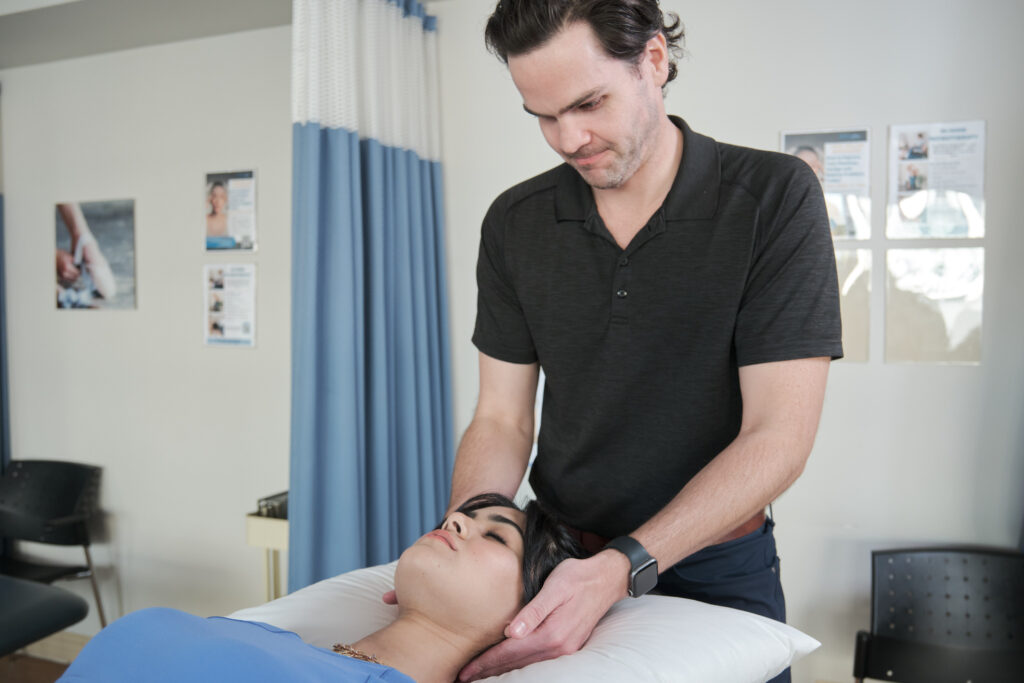
They will then employ customized treatment plans to address your specific symptoms. Typically this can involve a combination of manual therapy techniques, such as soft tissue mobilization and joint mobilizations, to restore optimal joint function and alleviate muscle tension. As well, dry needling or acupuncture can often be used to reduce tension in surrounding muscles and alleviate symptoms.
Additionally, your chiropractor or physiotherapist may prescribe specific exercises to improve your jaw mobility, strengthen weak muscles, and make postural corrections. Education on proper jaw mechanics and ergonomic adjustments to daily activities will also be provided to empower you to manage your symptoms and restore optimal jaw health.
It is the top priority for the TMJ experts at PhysioPlus Health Group to help you find relief from your TMJ pain and get you back to optimal health!
Can TMJ Dysfunction be prevented?
TMJ dysfunction is highly treatable through lifestyle adjustments and physiotherapy or chiropractic treatment, with rare need for invasive measures. There are also many ways to reduce the occurrence of TMJ pain in the first place! Here are 6 ways to reduce the risk of developing TMJ dysfunction:
- Adopt relaxed positions: Upright posture, with lips and your together teeth apart is optimal for facial relaxation
- Postural corrections: Chronic forward head posture can put a strain on the muscles connecting to the jaw
- Prevent from using your teeth as tools or chewing on hard items (pencils, pens, ice): Creates increased tension and pressure on the joints
- Prevent from excessive gum chewing: Creates increased tension within the muscles surrounding the jaw
- Prevent daytime teeth clenching or grinding: Hard on the joint surfaces
- Participate in regular self massage of the muscles of the face and jaw: Helps to reduce any tension and tone in the muscles and in turn reduce their pull on the joint
Start Your Journey to TMJ Relief Now!
If you are living with symptoms of TMJ dysfunction, schedule an appointment at PhysioPlus Health Group today.
Our physiotherapists and chiropractors are patient-centered and committed to your health, working hard to help you manage and eliminate symptoms.
This blog was written by Maddy Reinders, a Physiotherapy student at the University of Toronto
Frequently Asked Questions
How is TMJ diagnosed and who treats TMJ disorders?
TMJ disorders are diagnosed through assessments by dentists, oral surgeons, chiropractors or physiotherapists, including medical history, physical examination, and imaging. Treatment involves a multidisciplinary approach, often including dentists, oral surgeons, and chiropractors and physiotherapists.
Is TMJ treatment covered by insurance?
Coverage for TMJ treatment by insurance varies depending on the type of insurance plan and the specific treatment required. Many insurance plans provide coverage for treatments such as physiotherapy, chiropractic medication, and splint therapy.
How long does TMJ dysfunction last?
The duration of TMJ dysfunction varies greatly depending on its underlying causes, severity, and individual factors. In many cases, symptoms may resolve within a few weeks to months with conservative treatments such as lifestyle modifications, physiotherapy, chiropractic and medication. However, chronic cases may persist for years, requiring ongoing management and occasionally more invasive interventions. Early diagnosis and appropriate treatment can significantly improve outcomes and shorten the duration of symptoms.